ABB Robot Repair · 2026-09-09
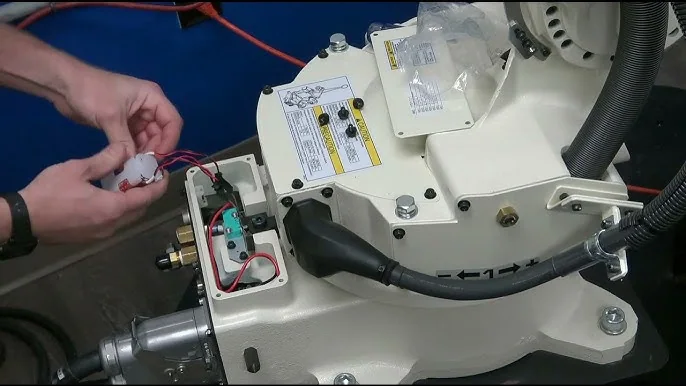
When a Yaskawa YRC1000 robot exhibits encoder battery alarms, abnormal origin data, or servo enable failure, the fault may originate from insufficient battery voltage, loose battery connectors, abnormal feedback cables, or loss of absolute encoder position data. This article introduces fault diagnosis, battery inspection, origin confirmation, and restart verification methods for the YRC1000 control system.
Artikel lesen →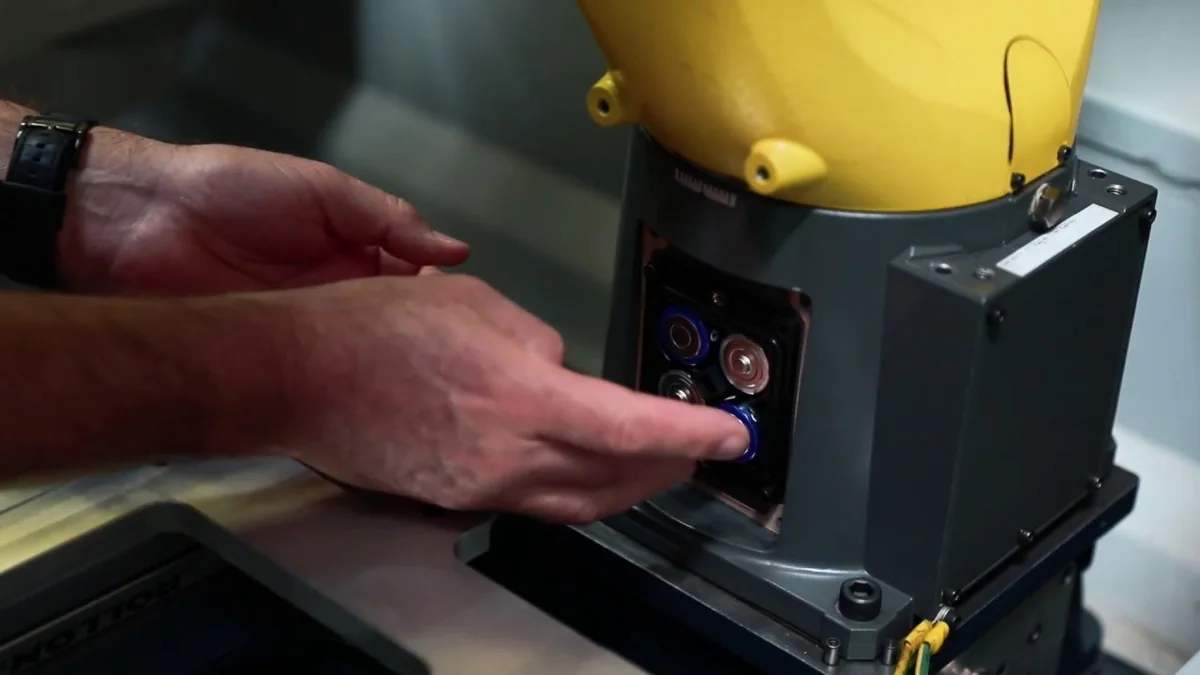
ABB Robot Repair · 2026-09-09
When a FANUC R-30iB robot displays the SRVO-062 BZAL alarm, it typically indicates that the backup battery voltage for the corresponding axis pulse encoder has been lost, and the encoder absolute position data may have become invalid. This article introduces the differences between the BZAL alarm and low-voltage warnings, battery and wiring checks, faulty axis identification, pulse reset, zero point calibration, and the restart verification process.
Artikel lesen →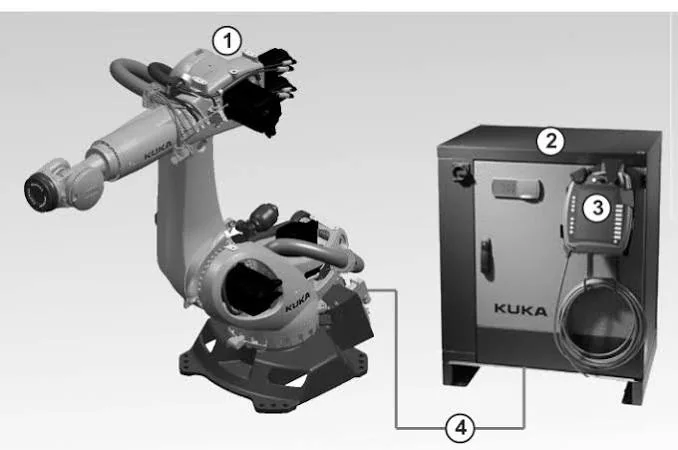
ABB Robot Repair · 2026-09-09
When a KUKA KR C4 robot experiences issues such as the control cabinet failing to start, smartPAD failing to connect, drives unable to enable, or sudden shutdown during operation, the fault may involve the control power supply, KPP power module, KSP servo drive module, control computer, RDC feedback system, and safety circuits. This article introduces the system composition of the KR C4 control cabinet, fault diagnosis sequence, key inspection points, and the restart verification process.
Artikel lesen →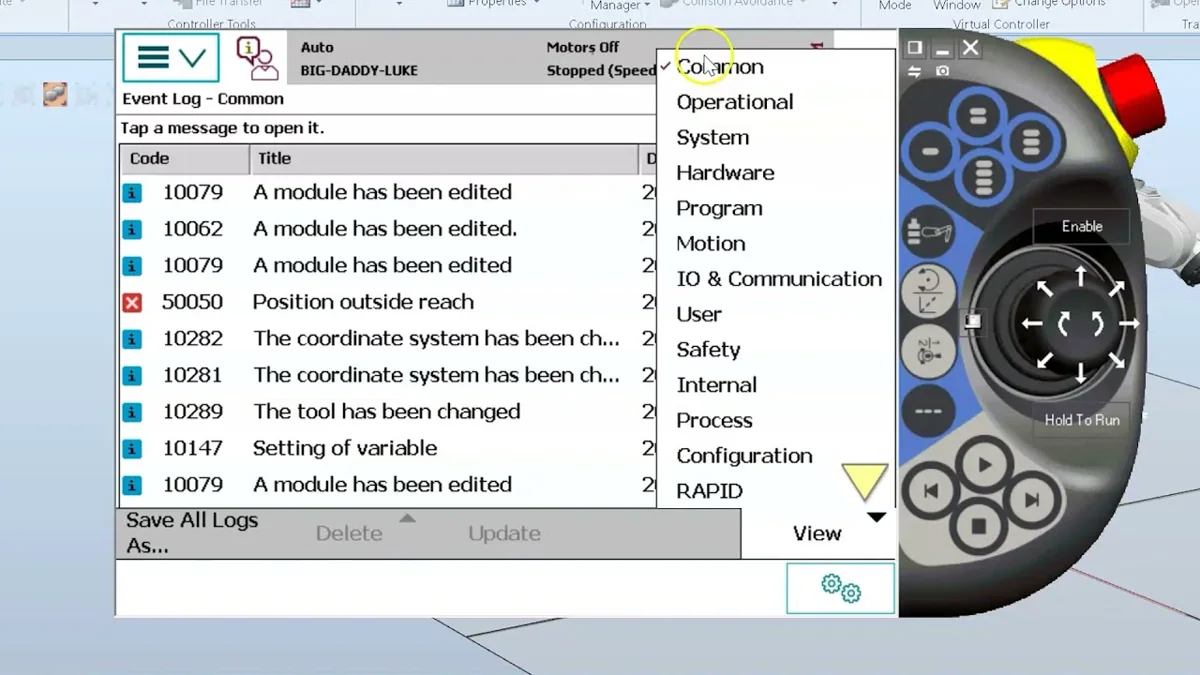
Maintenance & Troubleshooting · 2026-09-09
This guide provides a systematic approach to diagnosing and resolving common ABB robot alarm codes, focusing on logical fault isolation and safe maintenance practices.
Artikel lesen →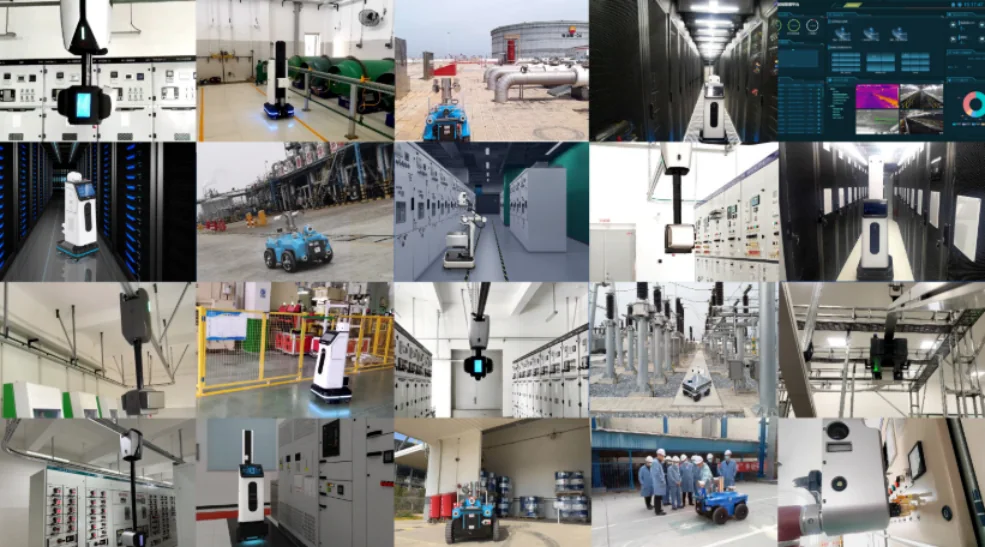
Maintenance · 2026-09-09
Effective daily inspection is not only the foundation of preventive maintenance but also the key to early fault detection. This article focuses on standardized methods for recording anomaly information during inspections and provides a set of standardized processes for efficient and accurate communication with maintenance engineers, aiming to shorten fault diagnosis time and improve overall equipment effectiveness.
Artikel lesen →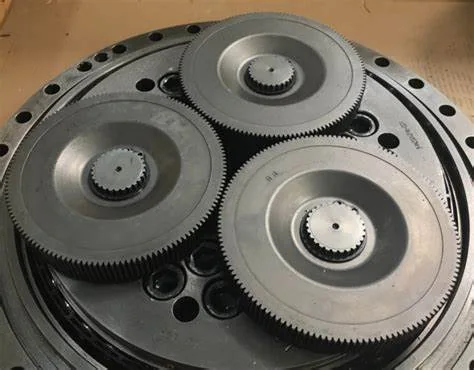
ABB Robot Repair · 2026-09-09
When the ABB IRB 6640 Axis 2 exhibits jitter, abnormal noise, positioning deviation, or following error, the fault may originate from increased reducer backlash, bearing wear, abnormal balancing mechanism, incorrect tool load, or unstable servo feedback. This article, targeting the ABB IRB 6640 paired with an IRC5 controller, introduces the diagnostic sequence for Axis 2 reducer faults, on-site inspection methods, repair precautions, and the re-commissioning verification process.
Artikel lesen →
ABB Robot Repair · 2026-09-09
After prolonged continuous operation, ABB industrial robots may experience aging, loosening, wear, and abnormal heat dissipation in components such as the teach pendant, control cabinet, servo system, body cables, and mechanical joints. This article introduces the main aspects of ABB robot maintenance, covering daily inspections, teach pendant checks, control cabinet maintenance, mechanical body upkeep, and restart verification, to help factories identify potential faults early and reduce unplanned downtime.
Artikel lesen →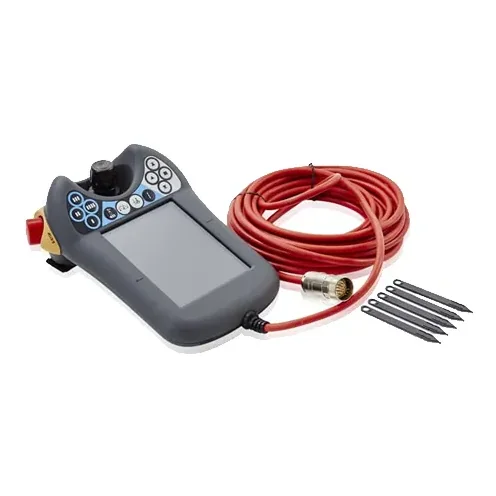
ABB Robot Repair · 2026-09-09
The ABB DSQC679 (common material number 3HAC028357-001) is the TPU3 teach pendant commonly used in IRC5 robot systems. Long-term frequent operation, accidental drops, cable pulling, or aging internal components may cause faults such as black screen, white screen, touch failure, unresponsive buttons, communication abnormalities, and failure to start. This article introduces the common faults of the DSQC679 teach pendant, judgment methods, repair procedures, and key points for post-repair inspection, helping on-site personnel quickly narrow down the fault scope.
Artikel lesen →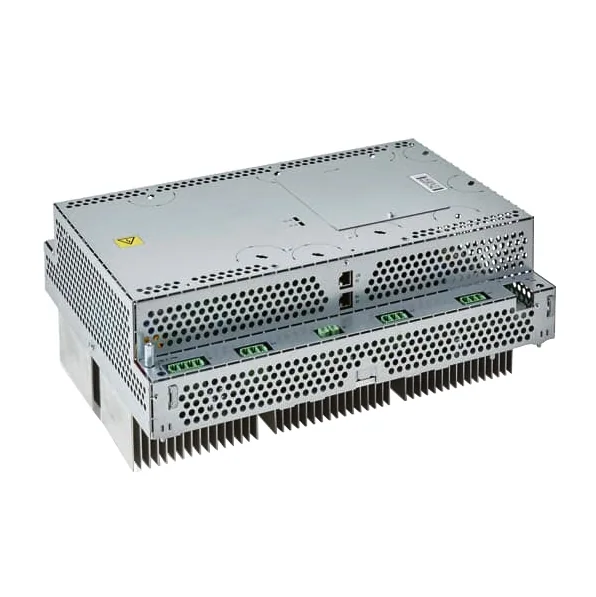
ABB Robot Repair · 2026-09-09
When an ABB robot DSQC663 drive triggers an overcurrent alarm, the fault may not originate from the drive module itself; it could also be related to mechanical load, servo motors, power cables, brakes, or cooling conditions. This article focuses on DSQC663 drive overcurrent faults, introducing methods for recording alarm information, determining the fault scope, on-site inspection, professional repair, and restart verification, aiming to help maintenance personnel reduce misjudgments and unnecessary part replacements.
Artikel lesen →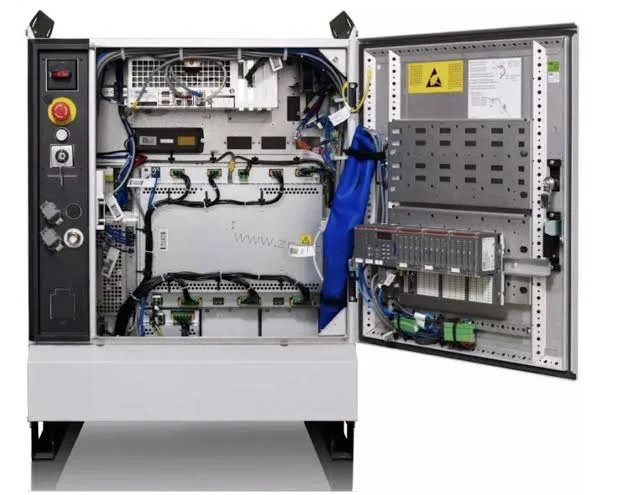
ABB Robot Maintenance · 2026-09-09
The ABB robot control cabinet is responsible for system power supply, motion control, communication, and safety management. After prolonged operation, issues such as failure to power on, servo enable failure, drive module alarms, communication interruptions, and excessive internal cabinet temperature may occur. This article introduces common faults in ABB robot control cabinets, on-site diagnostic methods, repair procedures, and key points for restart verification.
Artikel lesen →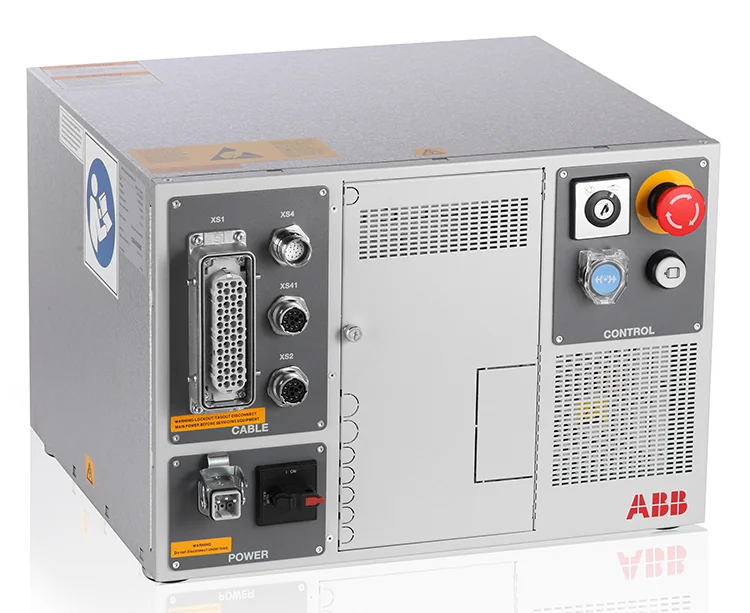
ABB Robot Repair · 2026-09-09
When the ABB robot DSQC651 I/O board malfunctions, it may lead to input/output signal loss, unresponsive peripheral equipment, communication anomalies, robot startup failure, or production cycle interruption. This article introduces the common fault manifestations, inspection methods, repair procedures, and key points for recommissioning verification of the DSQC651 I/O board, assisting maintenance personnel in quickly determining whether the issue originates from the I/O board itself, the terminal blocks, or external equipment.
Artikel lesen →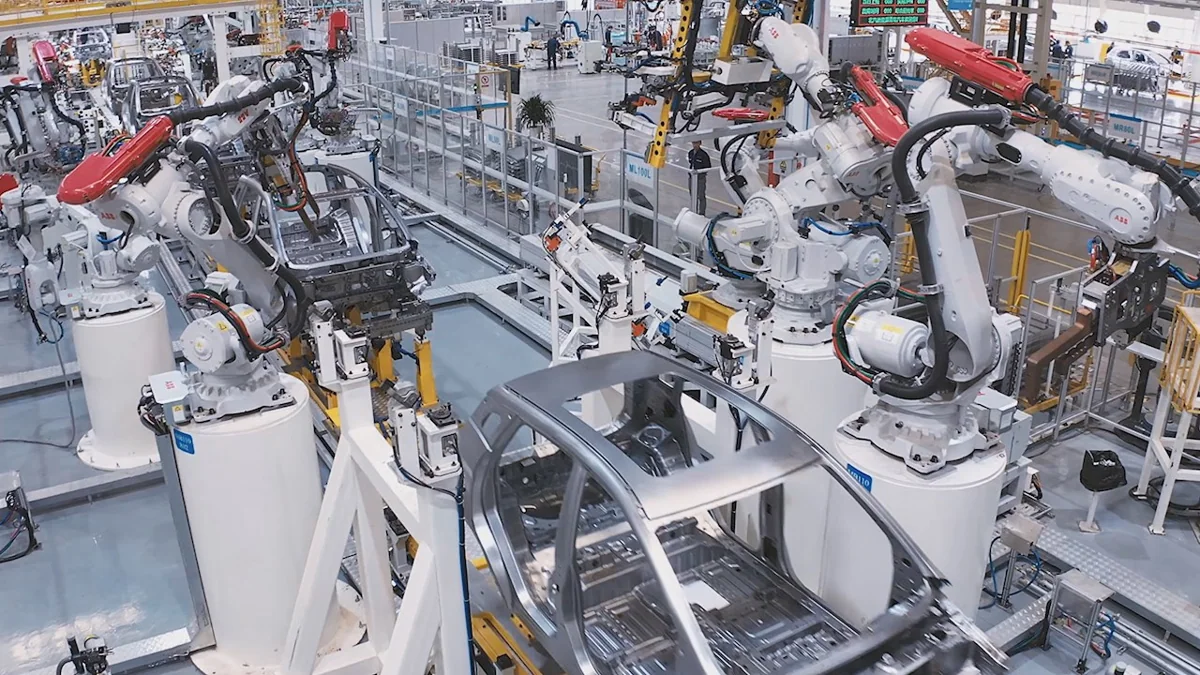
ABB Robot Maintenance · 2026-09-09
After an ABB robot experiences tool collision, workpiece impact, or mechanical interference, issues such as zero point offset, reducer damage, body cable compression, and decreased positioning accuracy may occur even if it can continue to operate. This article introduces the on-site handling, mechanical inspection, zero point confirmation, and restart verification process after a robot collision.
Artikel lesen →