Robot Repair & Maintenance · 2026-09-20
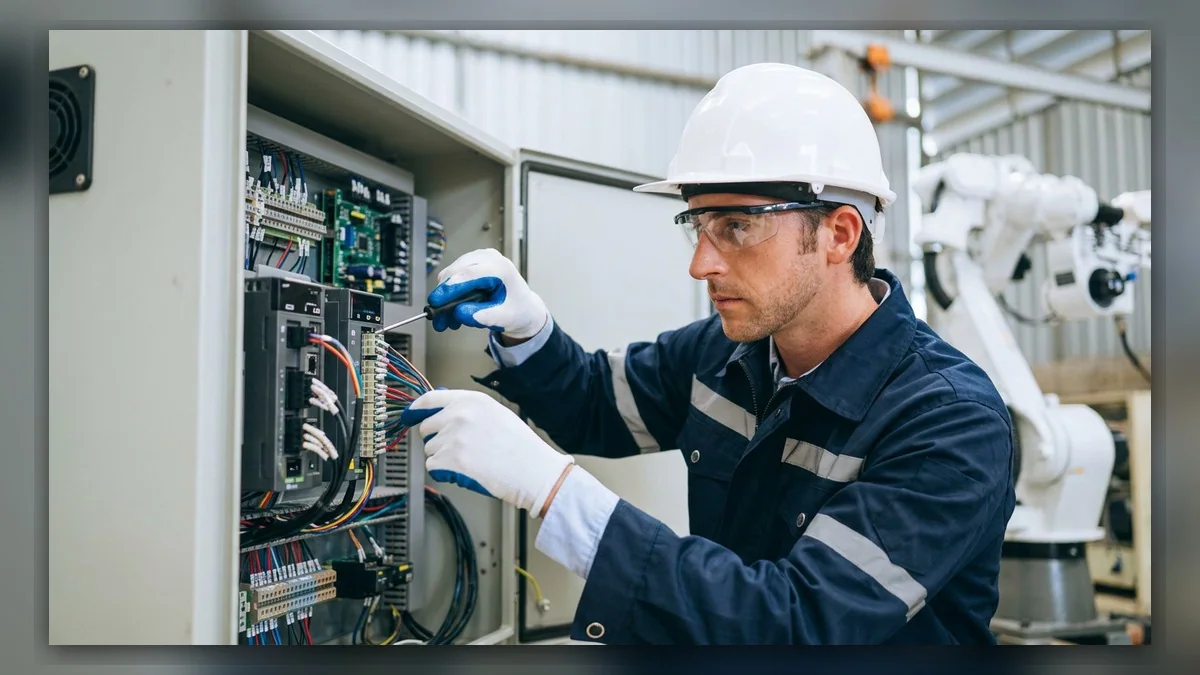
Diagnose an industrial robot that will not enable its servos after a stop by checking safety status, interlocks, power, alarms, and drive readiness.
記事を読む →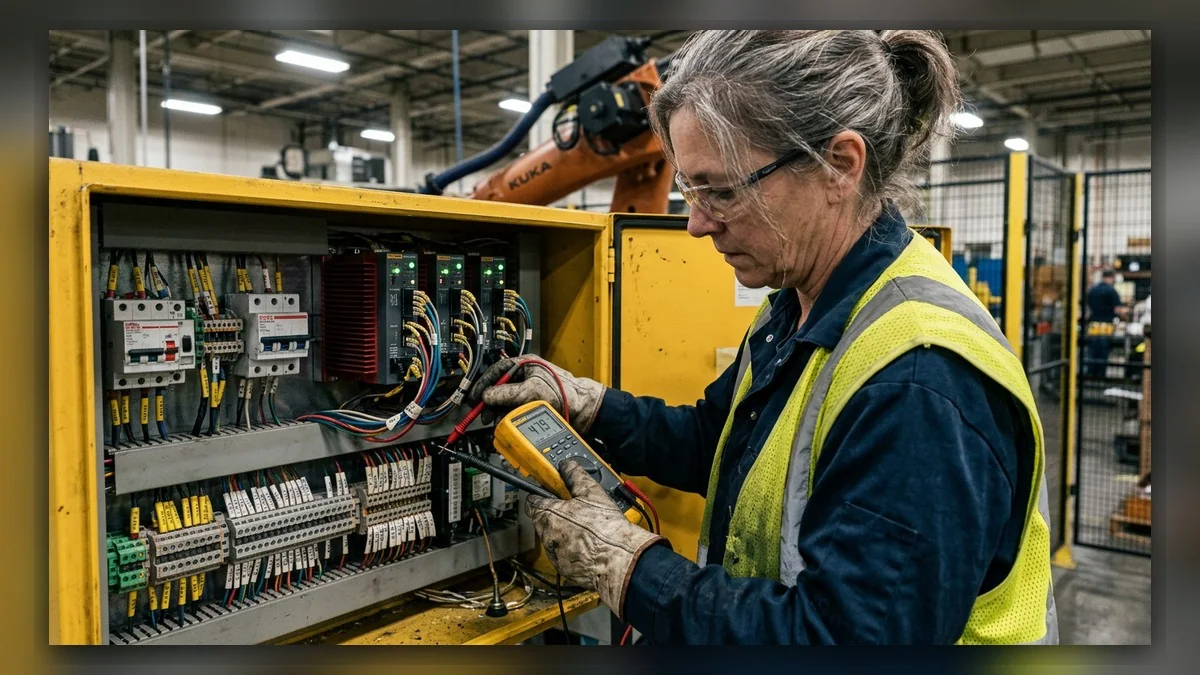
Robot Repair & Maintenance · 2026-09-20
Diagnose FANUC SRVO-021 SRDY OFF by recording the full event, checking earlier alarms, confirming status signals, and following controller-specific procedures.
記事を読む →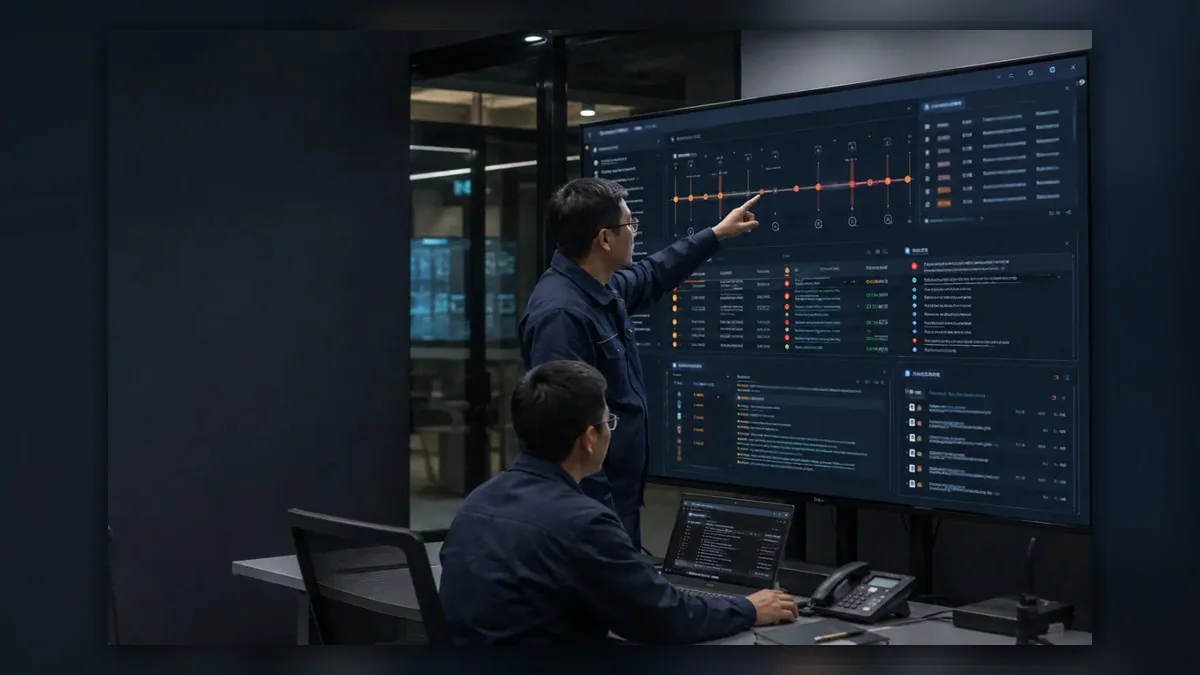
Robot Information · 2026-09-18
Remote diagnosis can help quickly triage faults for industrial robots such as ABB, FANUC, KUKA, and YASKAWA, but it cannot replace on-site safety verification and hardware inspection. This article explains the required materials, collaboration processes, and risk boundaries for remote repair.
記事を読む →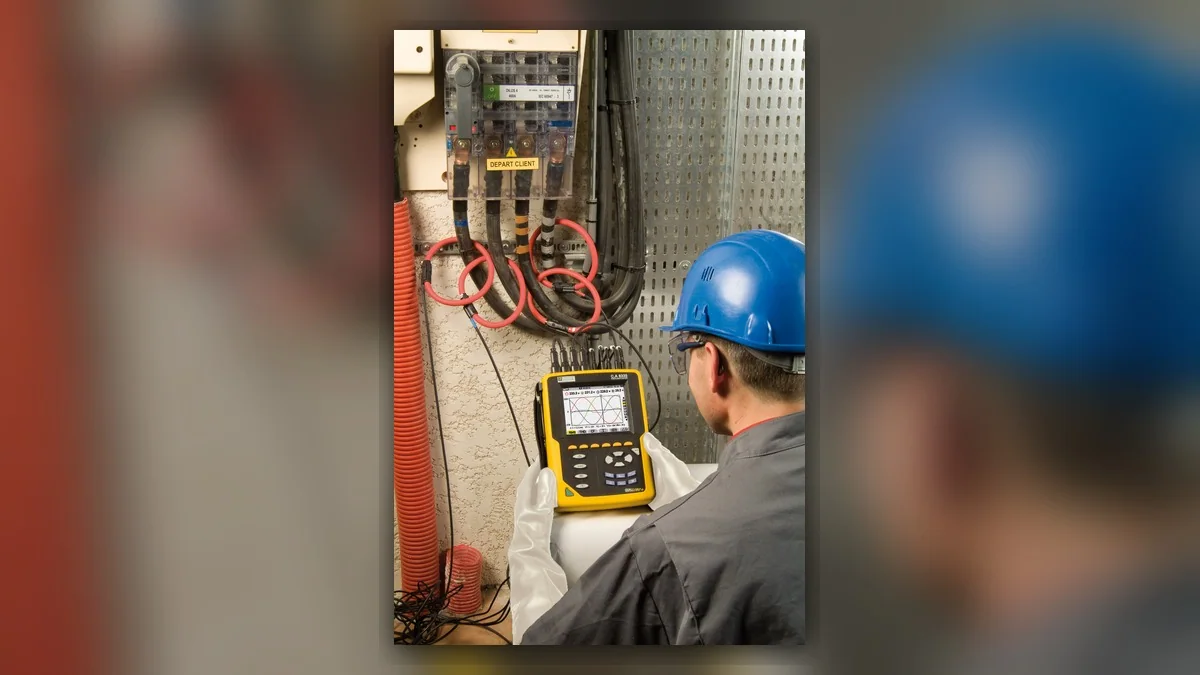
Robot Information · 2026-09-18
When ABB, FANUC, KUKA, and YASKAWA robots shut down simultaneously or randomly, the controller should not be the only component checked. Cross-referencing alarm times, power supply waveforms, and peripheral equipment status can quickly identify voltage sags, poor contact, and grounding abnormalities.
記事を読む →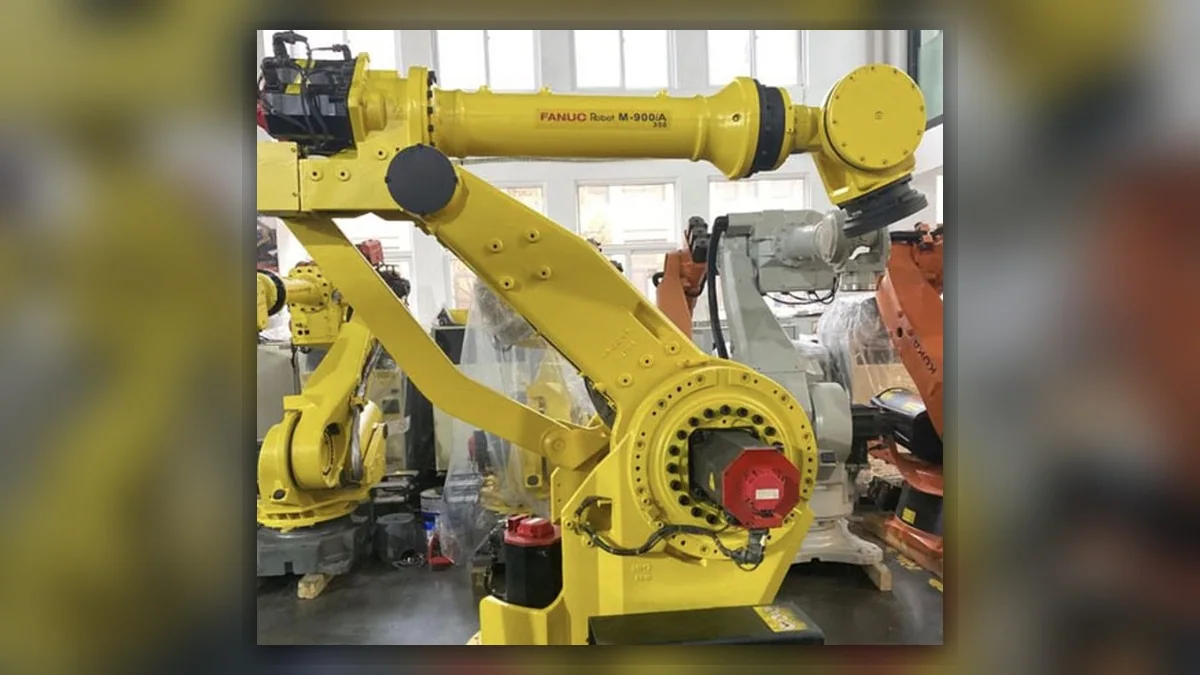
Robot Information · 2026-09-18
The color, impurities, and abnormal loss of industrial robot grease can provide clues for diagnosing joint wear, but cannot be used alone as a basis for replacing the reducer. This article introduces grease inspection and fault closed-loop methods for ABB, FANUC, KUKA, YASKAWA, and general-purpose robots.
記事を読む →
Robot Information · 2026-09-18
Replacing faulty components only restores production; failure analysis identifies root causes such as overheating, contamination, cable stress, and power supply anomalies, helping multi-brand robot production lines reduce the risk of repeated downtime.
記事を読む →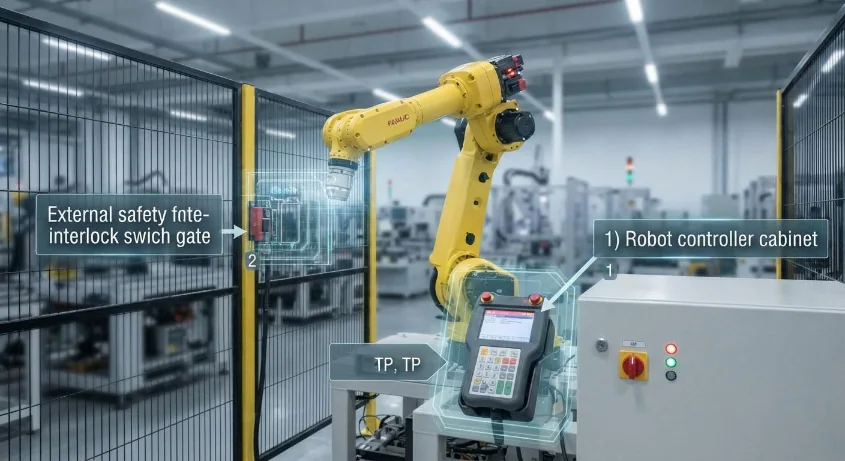
Robot Information · 2026-09-17
Robots from ABB, FANUC, KUKA, YASKAWA, etc., are shifting from periodic maintenance to condition monitoring. Factories can establish a health baseline through current, temperature rise, vibration, alarm records, and cycle time changes to identify mechanical wear, electrical aging, and cable hazards in advance.
記事を読む →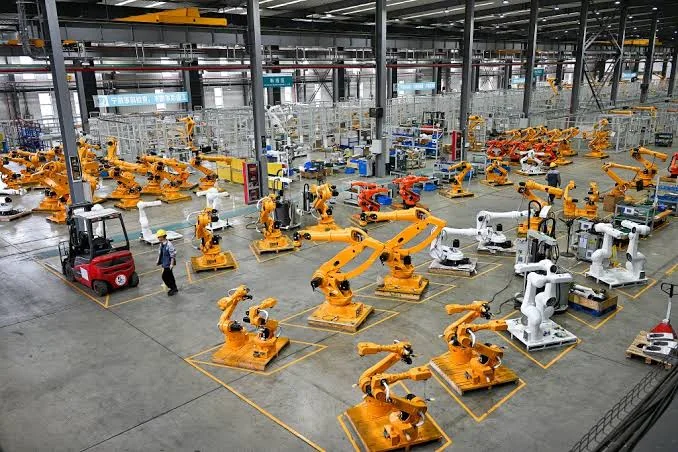
Robot Information · 2026-09-17
Industrial robots should not directly resume automatic production after experiencing long holidays, production line modifications, or long-term storage. This article, covering ABB, FANUC, KUKA, YASKAWA, and general industrial robots, explains the inspection methods for mechanical, electrical, data, safety circuits, and low-speed trial runs before restarting production.
記事を読む →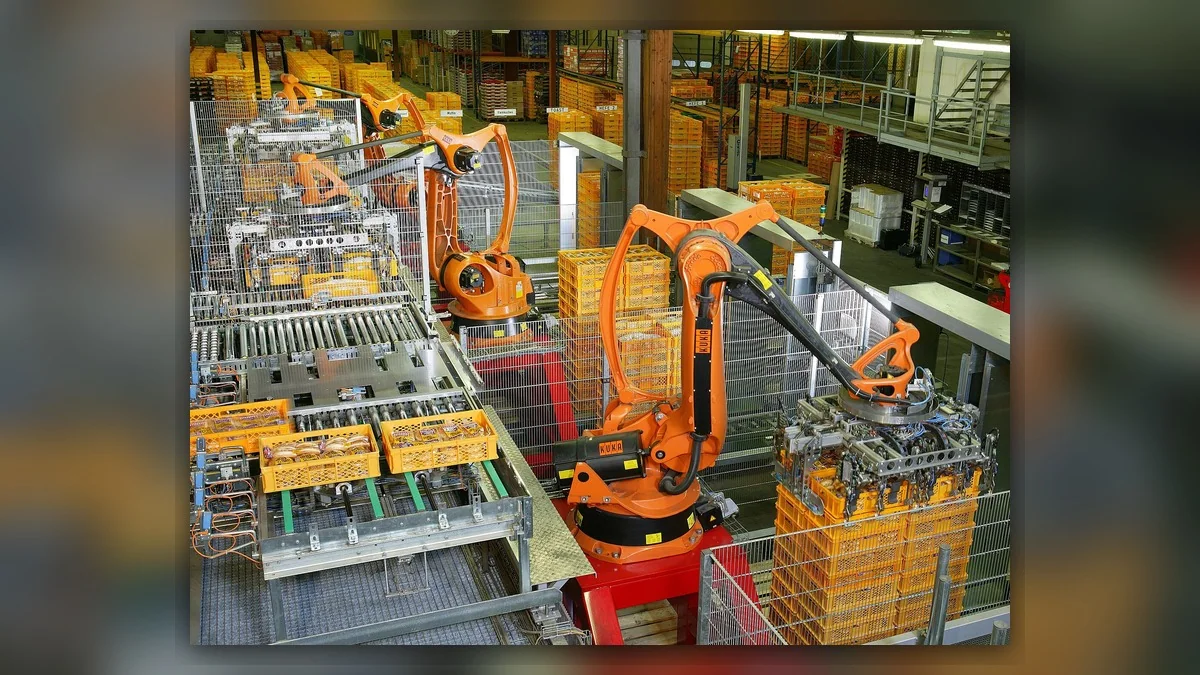
Robot Information · 2026-09-17
When industrial robots from brands like ABB, FANUC, KUKA, and YASKAWA experience slower cycle times without obvious alarms, it is often related to waiting for signals, trajectory settings, mechanical resistance, load data, or the status of the control cabinet. Using benchmark programs and trend records can help avoid blindly increasing speed to mask faults.
記事を読む →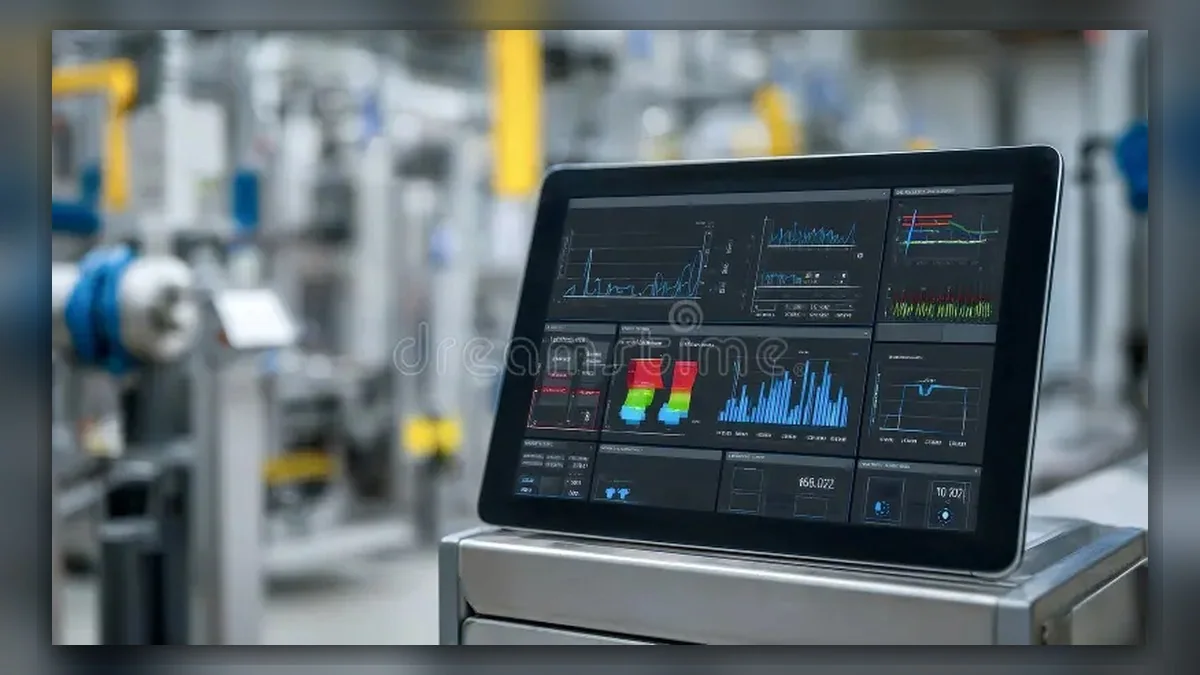
Robot Information · 2026-09-17
Establishing a unified maintenance archive for multi-brand robots such as ABB, FANUC, KUKA, and YASKAWA can help engineers identify recurring faults, track component lifespan, and improve troubleshooting efficiency.
記事を読む →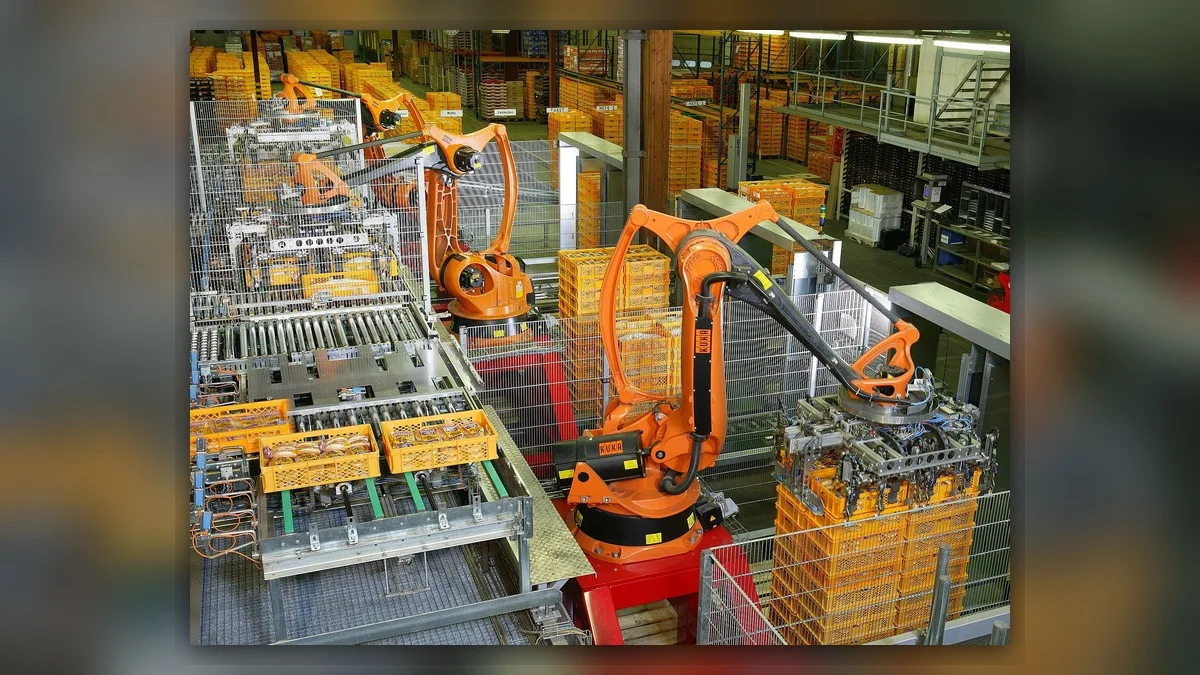
Robot Information · 2026-09-17
High humidity environments can lead to condensation in control cabinets, connector oxidation, insulation degradation, and communication fluctuations. This article provides a tiered inspection and prevention method applicable to ABB, FANUC, KUKA, YASKAWA, and general industrial robots.
記事を読む →
Robot Information · 2026-09-17
Industrial robot maintenance is gradually introducing joint analysis of current, vibration, temperature rise, and alarm logs. By comparing against baselines, it aims to identify mechanical resistance, cable abnormalities, and cooling degradation in advance, reducing unjustified part replacements and unexpected downtime.
記事を読む →