Robot Information · 2026-09-17
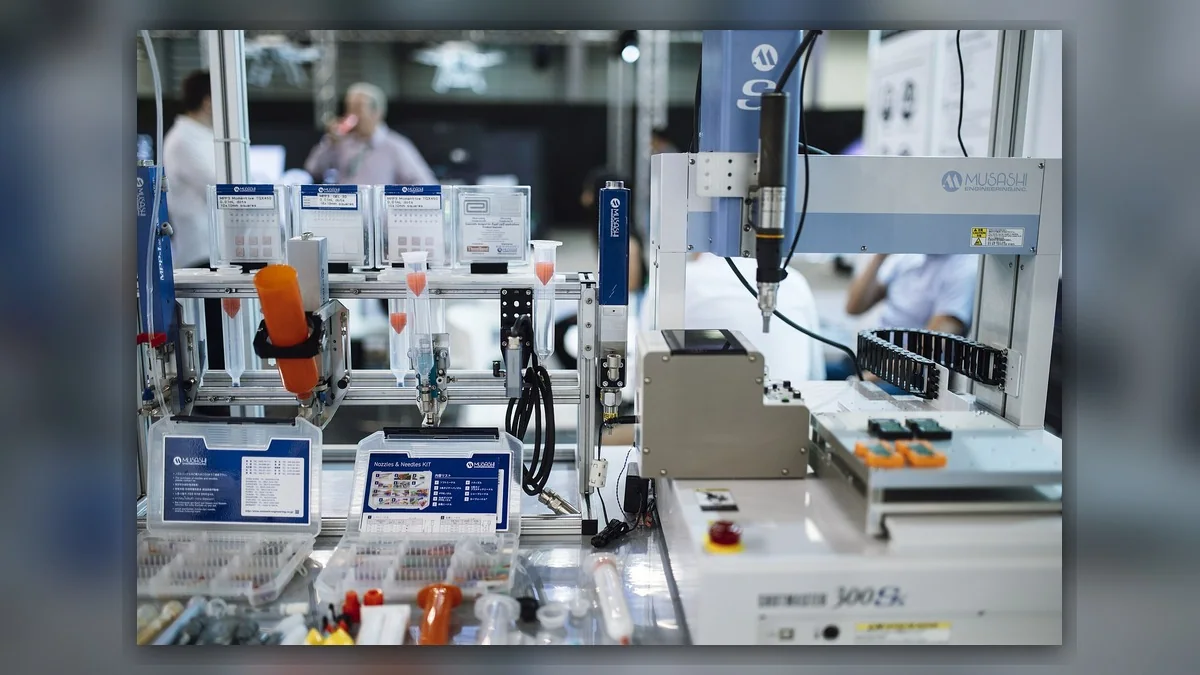
Restoring robot operation after an alarm reset often masks issues like poor cable contact, degraded heat dissipation, increased mechanical resistance, or abnormal feedback signals. This article introduces methods for recording recurring faults, conducting tiered troubleshooting, and establishing a repair closure process for ABB, FANUC, KUKA, YASKAWA, and general industrial robots.
Đọc bài viết →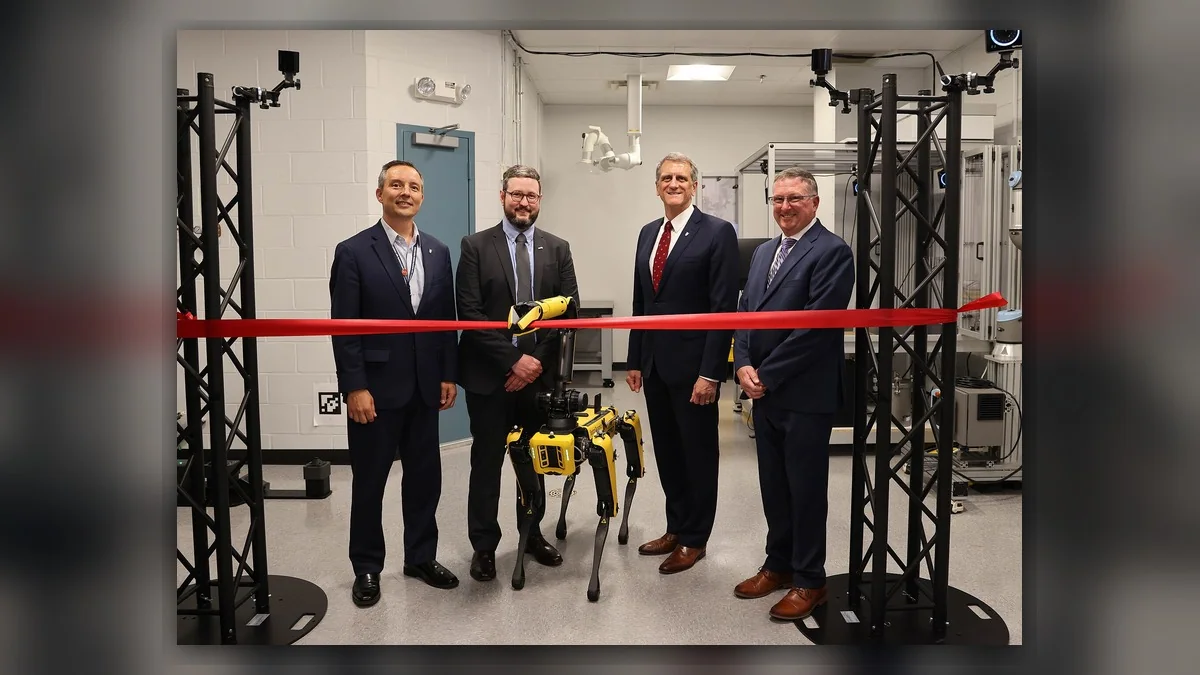
Robot Information · 2026-09-17
Faced with production lines containing multiple brands of robots such as ABB, FANUC, KUKA, and YASKAWA, the procurement of repair services is shifting from single-instance price comparison to a comprehensive evaluation of response, diagnostics, spare parts, data security, and acceptance capabilities.
Đọc bài viết →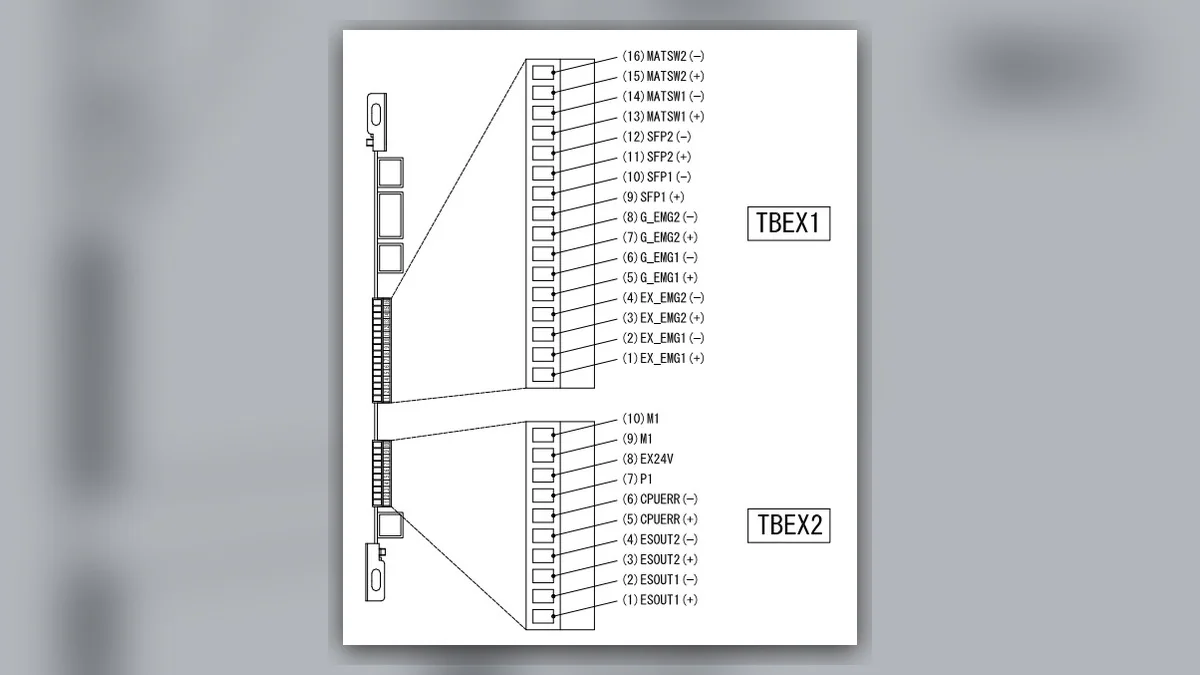
Robot Information · 2026-09-17
For ABB, FANUC, KUKA, YASKAWA, and general industrial robots, this introduces an evidence chain diagnostic method from alarm logs and fault reproduction to cross-testing and repair acceptance, helping factories reduce downtime and cost waste caused by mistakenly replacing drives, motors, encoders, and control boards.
Đọc bài viết →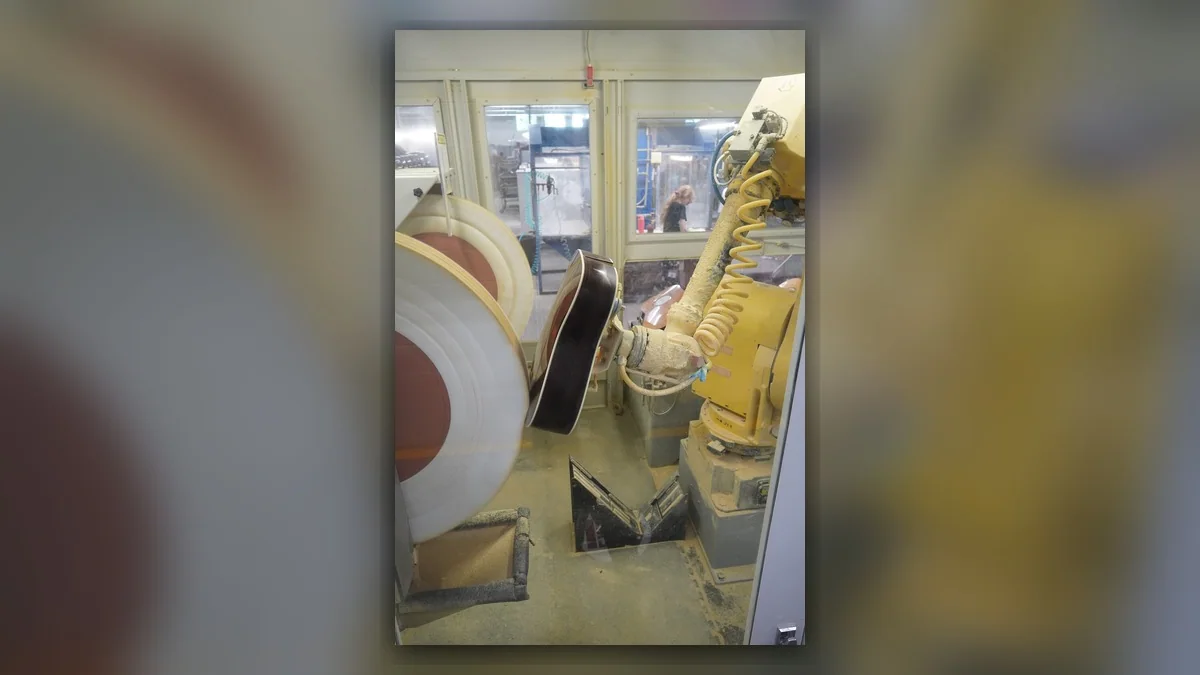
Robot Information · 2026-09-17
For ABB, FANUC, KUKA, YASKAWA, and general industrial robots, this article introduces methods for failure triage after downtime, on-site inspection, repair decision-making, and restart acceptance, helping factories shorten diagnosis time and reduce the risk of recurring failures.
Đọc bài viết →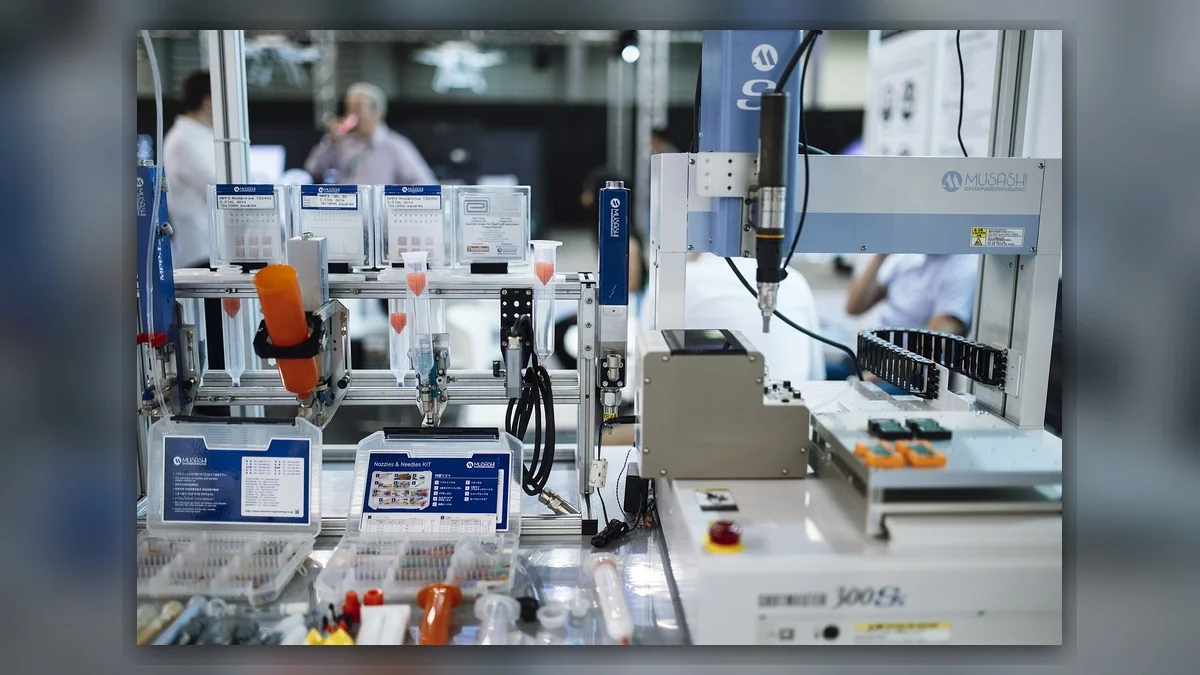
Robot Information · 2026-09-17
Facing the growth in the installed base of robots from ABB, FANUC, KUKA, YASKAWA, and others, manufacturing enterprises are shifting their maintenance strategies from single-fault handling to full lifecycle management that combines condition monitoring, layered diagnostics, spare parts management, and repair acceptance.
Đọc bài viết →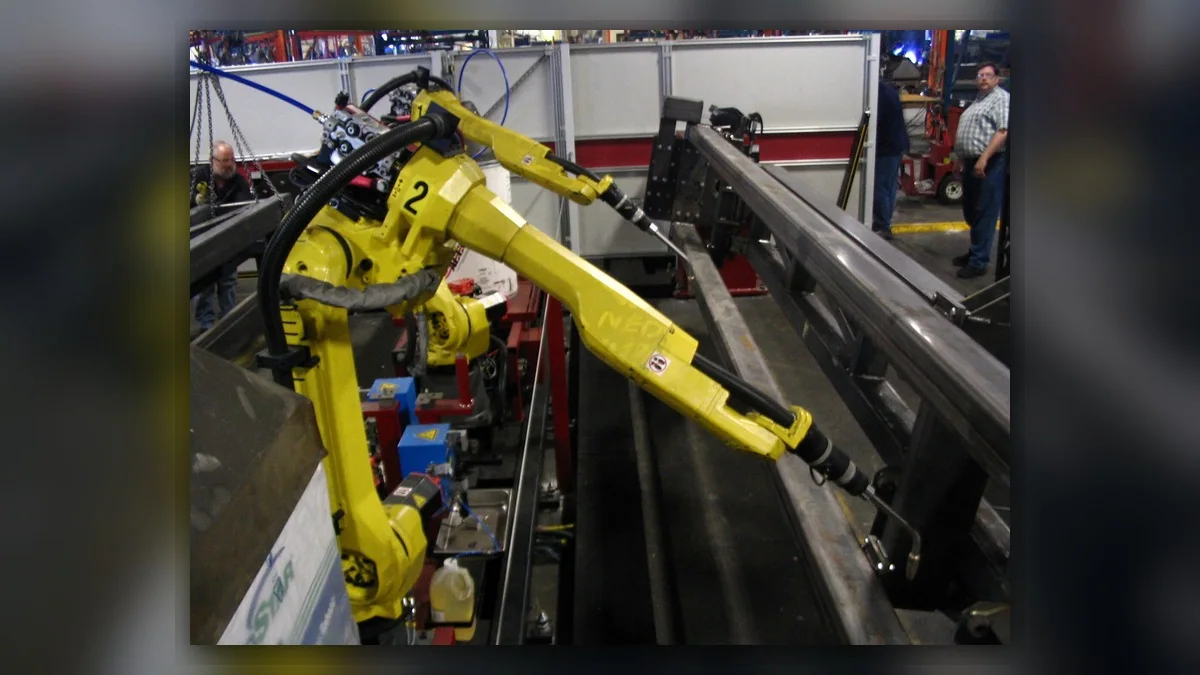
Robot Information · 2026-09-16
Oil leakage from robot joints does not necessarily indicate reducer damage. It should be comprehensively assessed by combining the leak point, lubrication state, operating temperature, abnormal noise, and backlash, and sealing repairs and operational verification should be completed according to manufacturer requirements.
Đọc bài viết →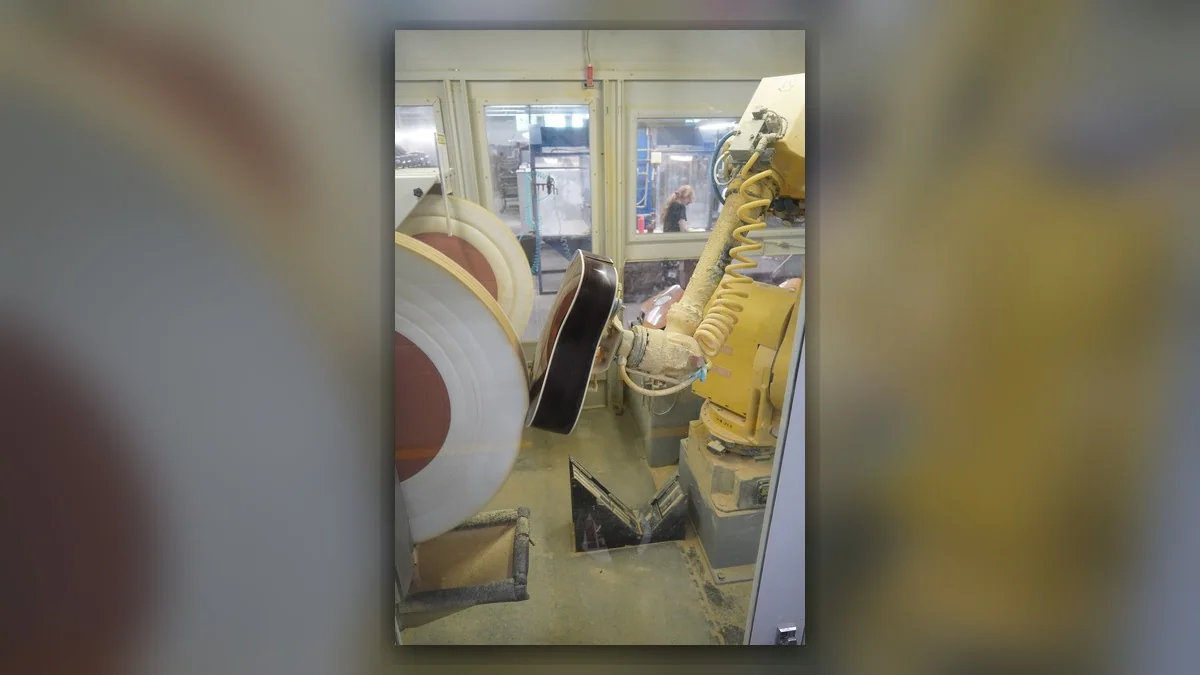
Robot Information · 2026-09-16
Addressing occasional stoppages, restarts with recovery, and irregular alarms in industrial robots, this article introduces methods for documenting alarm logs, operating status, and external signals to help maintenance personnel narrow down the fault scope.
Đọc bài viết →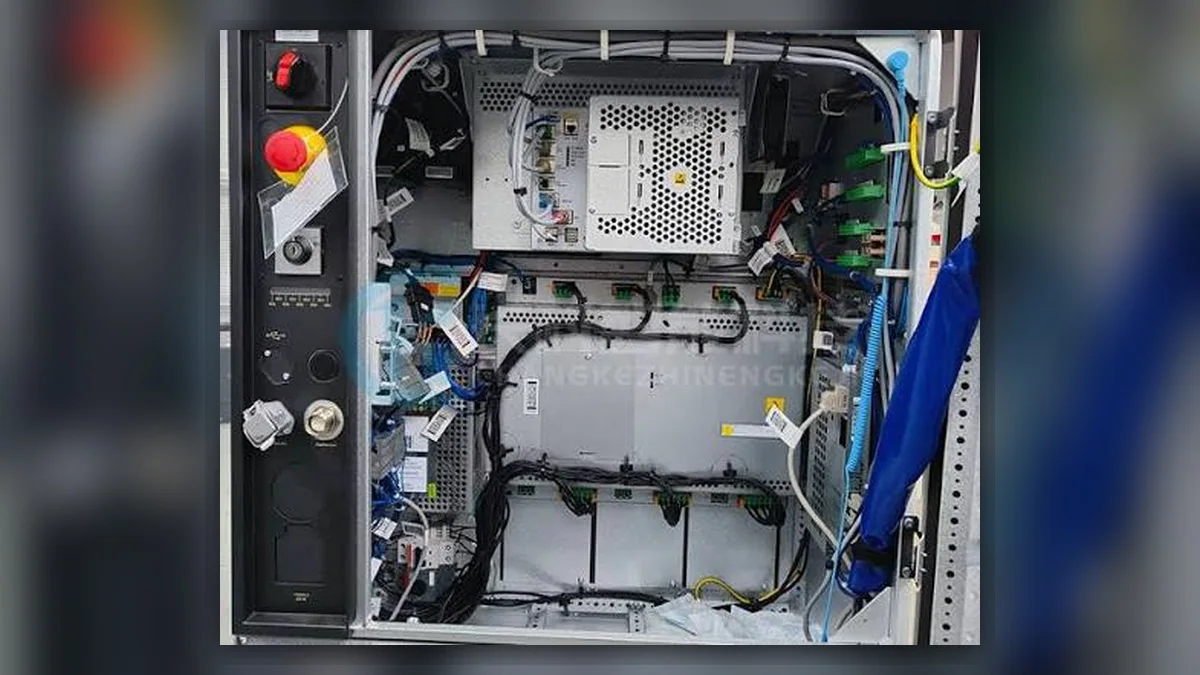
Robot Information · 2026-09-16
When a robot operates normally in manual mode but cannot enter automatic mode, it is usually related to the safety circuit, mode selection, external interlock, or communication status. This article provides a layered troubleshooting process applicable to ABB, FANUC, KUKA, YASKAWA, and general-purpose robots.
Đọc bài viết →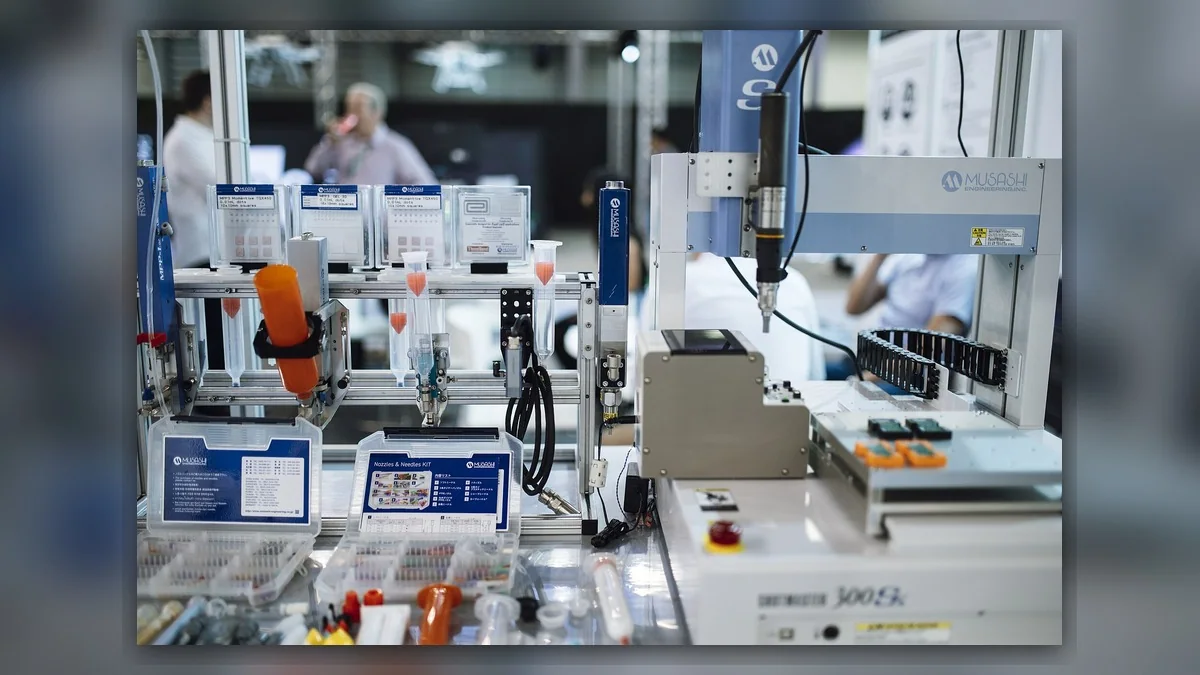
Robot Information · 2026-09-16
When jitter occurs during robot low-speed crawling, trajectory corners, or specific axis movement, it should not be directly attributed to motor or reducer damage. It is necessary to combine alarm records, occurrence posture, and single-axis tests to sequentially check mechanical load, transmission components, encoder feedback, and servo control status.
Đọc bài viết →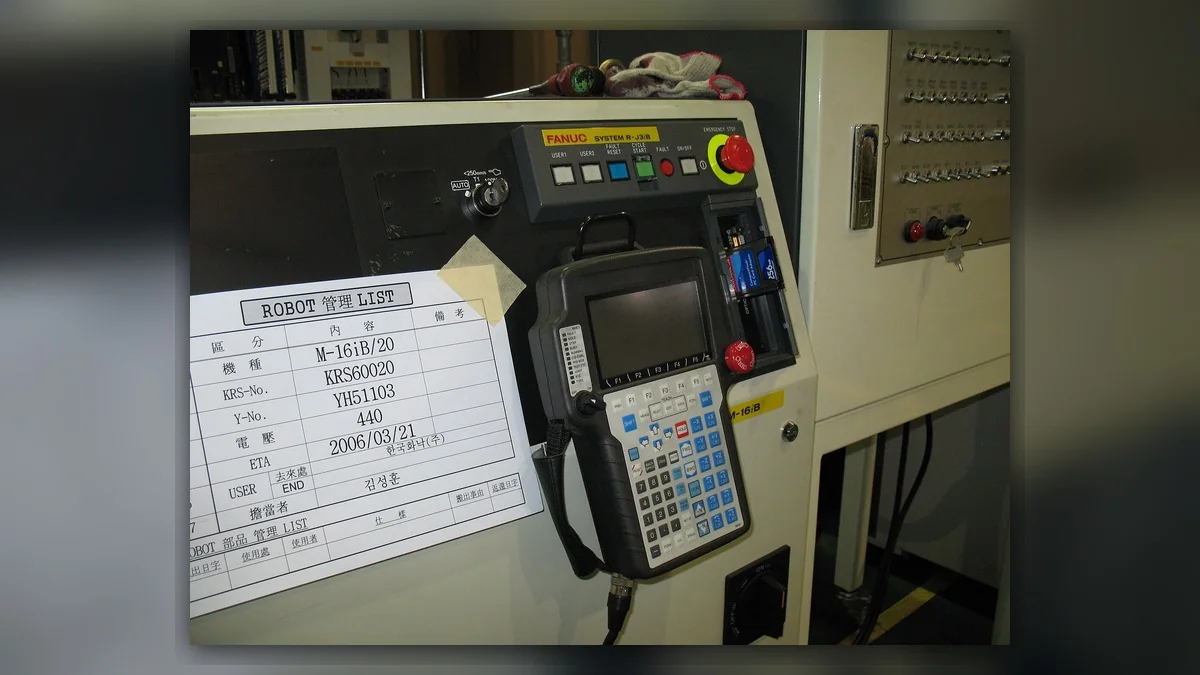
Robot Information · 2026-09-16
Acceptance of a refurbished robot controller should involve checking model version, maintenance records, interface and insulation status, and completing startup, communication, I/O, drive, safety, and load testing.
Đọc bài viết →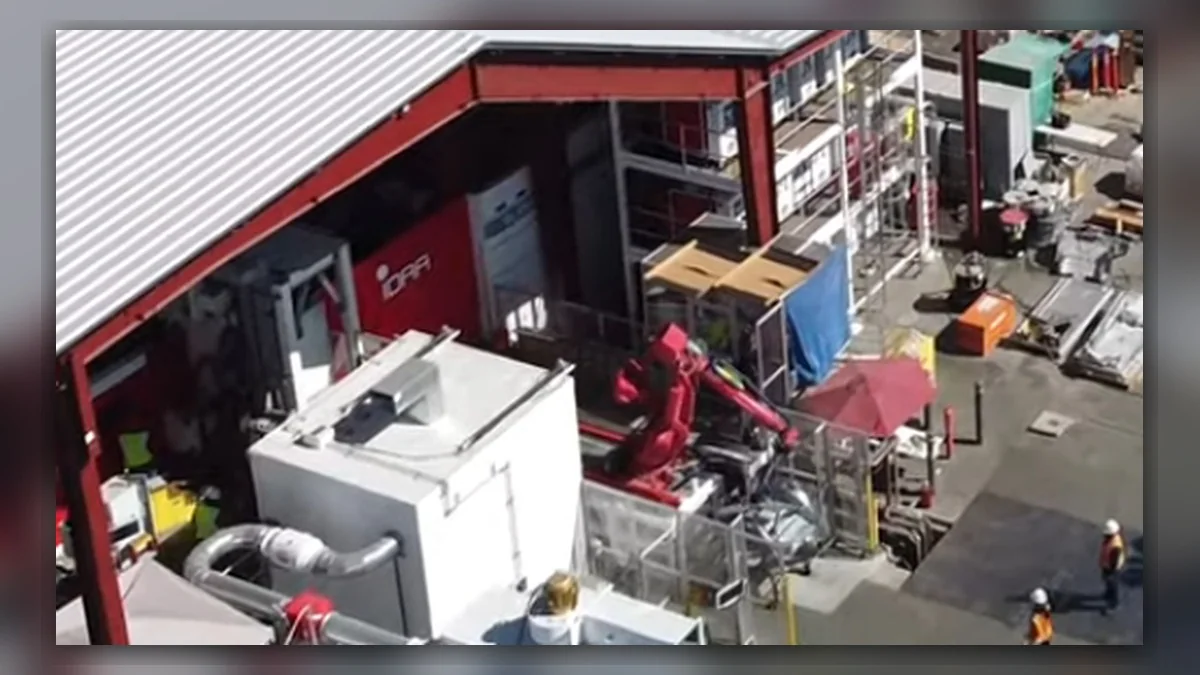
Robot Information · 2026-09-16
Even if the robot can be reset and operated after a collision, the tool, body, zero point, reducer, brake, cables, base, and safety functions should be inspected to prevent hidden damage from escalating.
Đọc bài viết →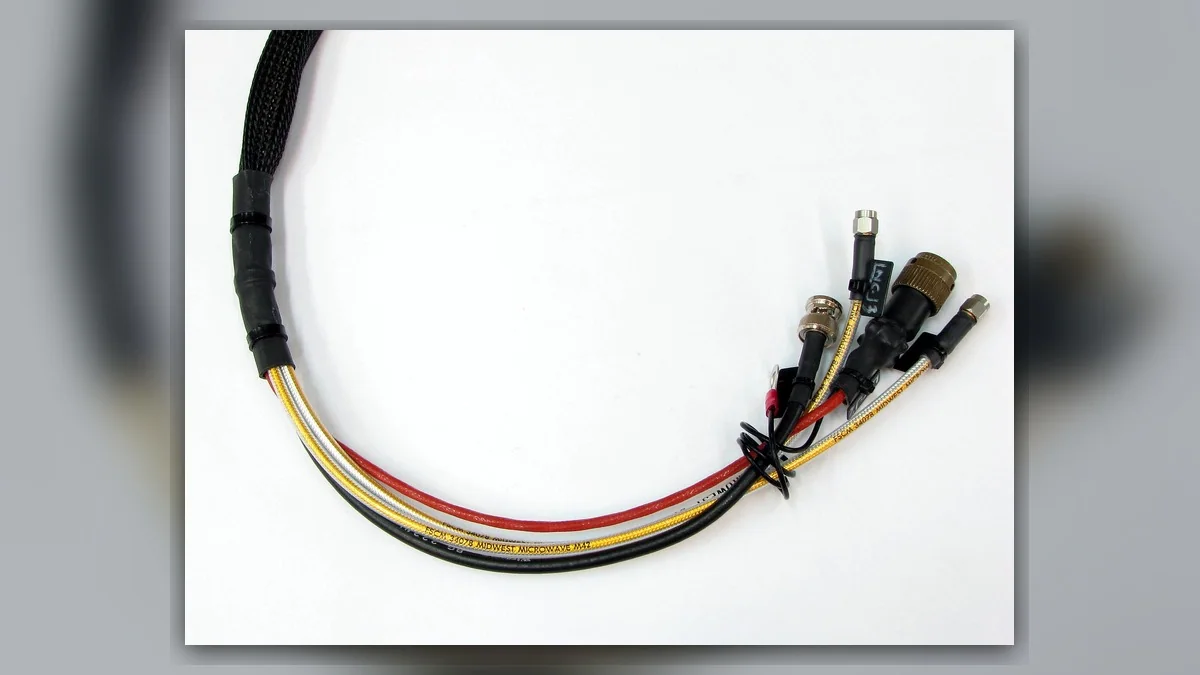
Robot Information · 2026-09-16
When a robot only exhibits encoder, communication, or motor alarms in specific postures, focus should be placed on inspecting the body's moving cables, bending positions, fixing clips, and connectors.
Đọc bài viết →