Robot Information · 2026-09-14
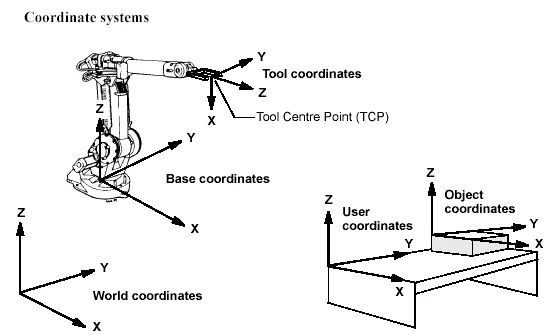
Base coordinates describe the positional relationship of the robot or external equipment, workpiece coordinates describe the product datum, and tool coordinates describe the end effector; together, these three determine the actual position of program points.
Read article →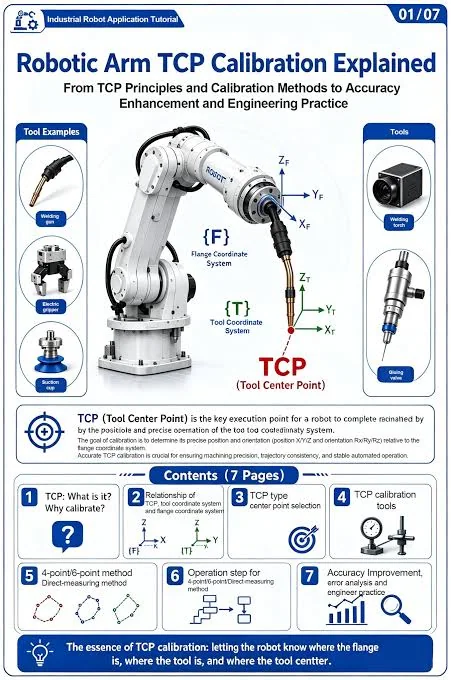
Robot Information · 2026-09-14
The TCP determines the actual tool position corresponding to the robot program points. After replacing welding torches, fixtures, cutting tools, or flange components, the tool center point should be recalibrated and verified.
Read article →
Robot Information · 2026-09-14
The weight, center of gravity, and inertia in robot load data affect servo control, trajectory accuracy, and collision detection. Incorrect settings may cause vibration, overload, or false collision alarms.
Read article →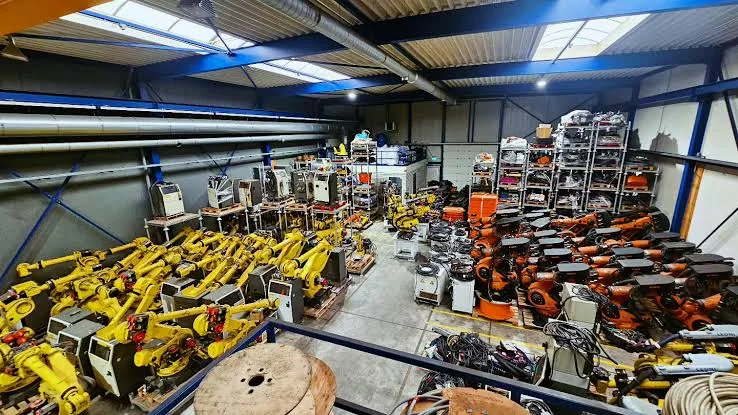
Robot Information · 2026-09-14
To reduce losses from sudden robot downtime, it is necessary to standardize alarm records, remote pre-diagnosis, critical spare parts, backup data, and on-site maintenance procedures in advance.
Read article →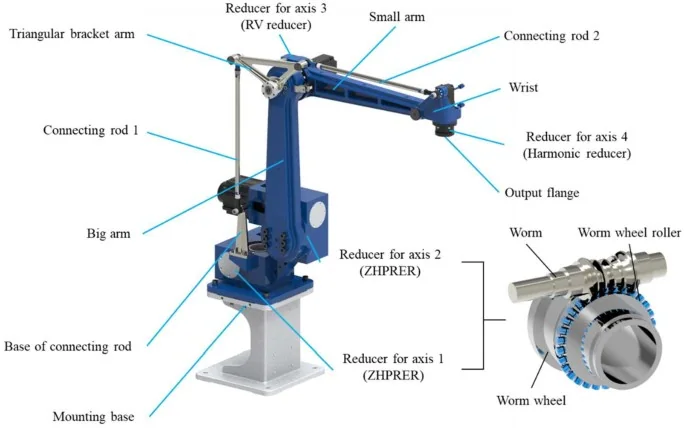
Robot Information · 2026-09-14
After an industrial robot is relocated, the base, control cabinet, main body cables, zero point, tool/workpiece coordinates, safety zones, and program trajectories should be checked, and restart acceptance should be completed in stages.
Read article →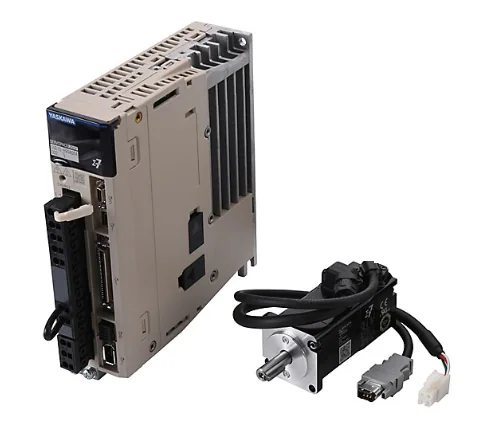
Robot Information · 2026-09-14
The servo drive is responsible for power and control, the servo motor is responsible for generating motion, and the encoder is responsible for position feedback; fault phenomena of the three may affect each other, requiring judgment based on alarms and measurements.
Read article →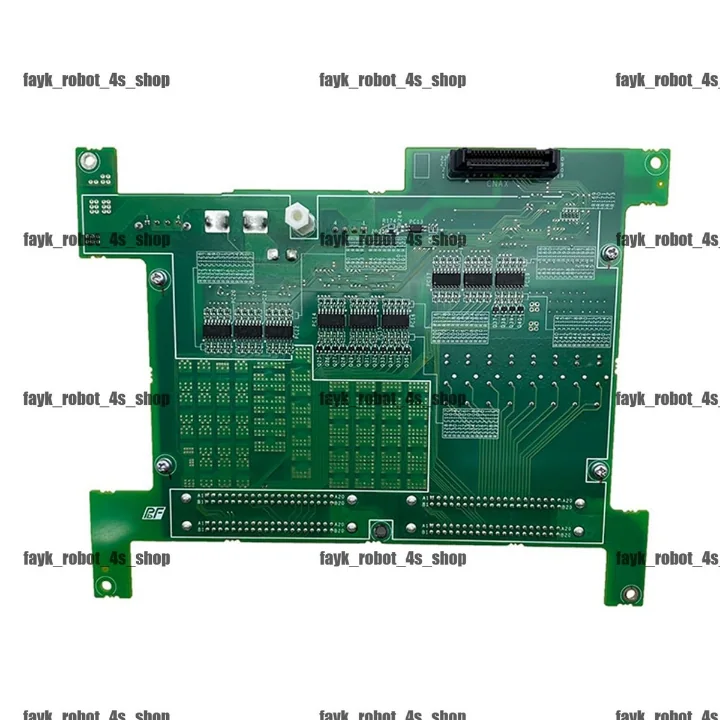
Robot Information · 2026-09-14
Poor grounding and shielding can cause encoder alarms, communication dropouts, I/O malfunctions, analog signal fluctuations, and intermittent faults that only appear when high-power equipment starts.
Read article →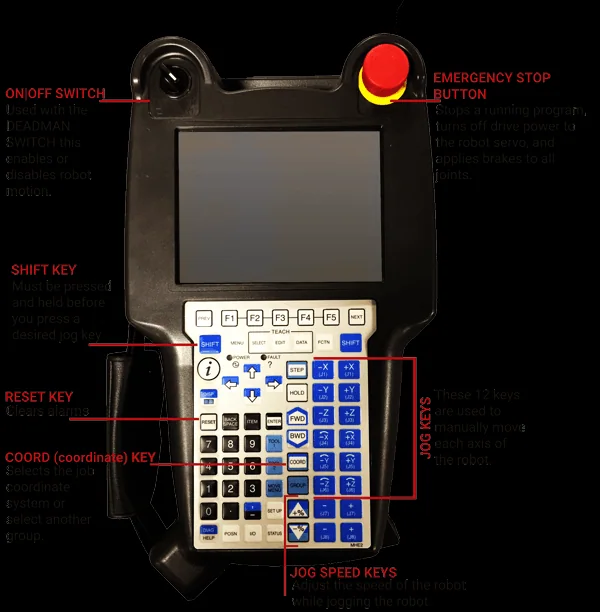
Robot Information · 2026-09-14
External axis desynchronization may stem from zero points, transmission backlash, load parameters, encoder feedback, communication configuration, or coordinated motion programs, requiring troubleshooting along both mechanical and control paths.
Read article →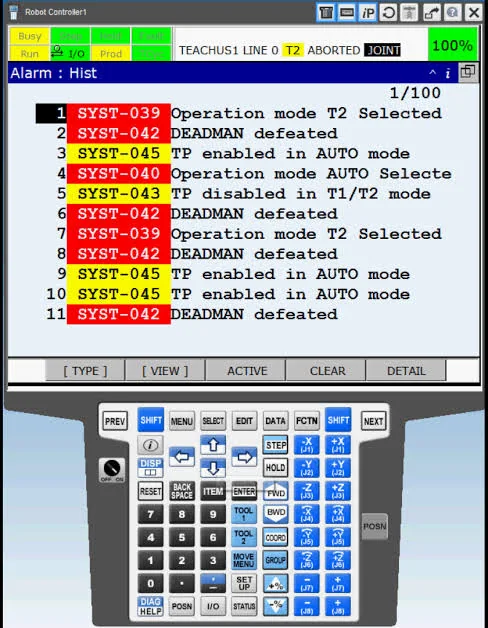
Robot Information · 2026-09-14
Before robot repair, programs, system parameters, zero points or revolution counters, tool/workpiece coordinates, safety configurations, and communication settings should be backed up based on operational risk.
Read article →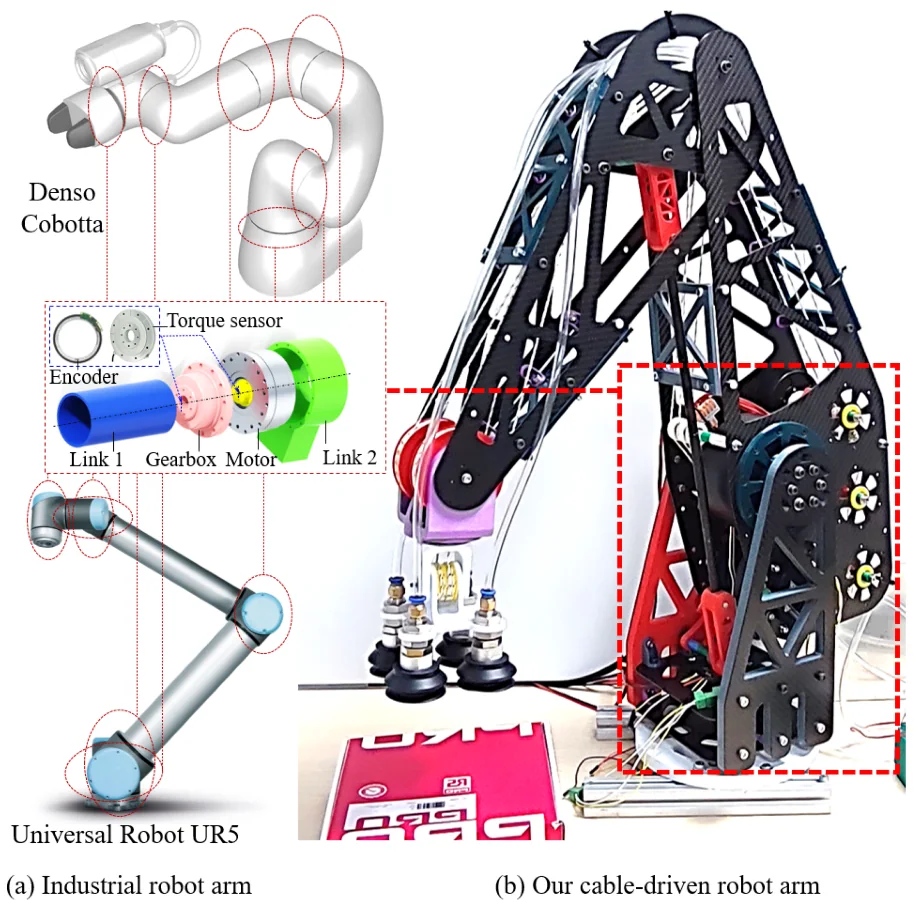
Robot Information · 2026-09-14
The lifespan of robot cables is influenced by bending radius, motion frequency, routing path, oil contamination temperature, and mechanical pulling; it cannot be determined solely by a fixed number of years.
Read article →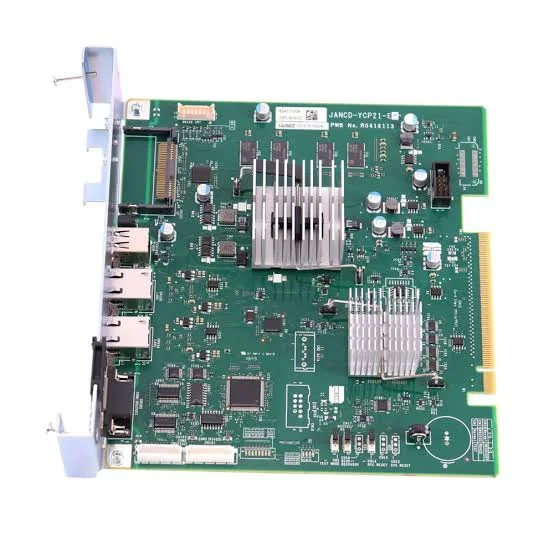
Robot Information · 2026-09-14
Excessively high control cabinet temperature will shorten the lifespan of the power supply, servo drives, main unit, fans, and capacitors, and may trigger overtemperature alarms, communication abnormalities, and intermittent shutdowns.
Read article →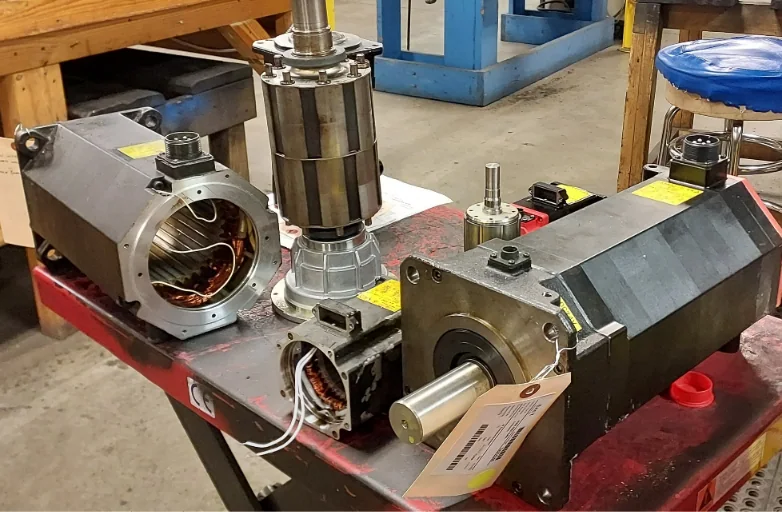
Robot Information · 2026-09-14
After replacing servo motors, encoders, reducers, or disassembling joint transmissions, the electrical position and mechanical reference may change, requiring reconfirmation of the mechanical zero point and axis position.
Read article →