
KUKA Robot Repair: KR C4 Cabinet Cooling Fan Diagnosis
Diagnose a suspected KUKA KR C4 cabinet cooling fan fault using service records, airflow observations, safe inspection, and exact component identification.
In this article
KUKA robot repair for a suspected KR C4 cabinet cooling fan fault begins by separating failed fan operation from restricted airflow or an unidentified noise source. Record the controller identification, complete messages, event time, operating conditions, and any recent cabinet maintenance before intervention. A quiet fan, unusual sound, or temperature-related shutdown does not independently prove that the fan is damaged. The installed cabinet configuration and its applicable maintenance information determine which fans are present, how they operate, and what inspection is appropriate.
Symptoms and Scope
This article addresses suspected cooling fan malfunction in a KUKA KR C4 control cabinet. Relevant observations include a newly developed scraping sound, visibly damaged fan hardware, or reduced airflow compared with a documented baseline under comparable operating conditions. These observations require investigation; none establishes the cause alone.
The scope excludes manipulator motor overheating, joint noise, drive-enable faults, and controller startup failure. It also excludes other KUKA controller families unless their own documentation supports the procedure. A temperature-related message may justify checking cooling, but its complete text determines whether further diagnosis belongs to a different subsystem.
Information to Record First
Identify the controller from its label and collect its equipment documentation. Record cabinet options, installed cooling arrangements, filter condition, and recent changes to the surrounding environment. Establish whether the symptom began after cleaning, filter service, cabinet relocation, or component replacement.
Use this compact fault record, marking motion-related entries as not applicable when appropriate:
Complete alarm code and full text: Preserve every displayed message.
Date and exact time: Correlate the observation with the event history.
Faulted axis: Record any identified axis or state that none is identified.
Robot position/posture: Record only if relevant to the event.
Program step or motion: Identify the activity when the symptom appeared.
Actual speed and load condition: Use available operating records.
Reset result: Record previous attempts without repeating them solely for diagnosis.
Time until recurrence: Use existing observations.
Related power, communication or feedback alarms: Preserve their sequence.
Safety and Preparation
Apply site isolation, lockout, and stored-energy procedures before opening the cabinet or accessing fan hardware. Follow the applicable KUKA documentation for electrical isolation and access restrictions. A stopped fan does not establish that its circuit is de-energized.
Inspect airflow from outside the closed cabinet only where normal operation and site procedures permit. Internal energized inspection, electrical measurements, and component testing require appropriately qualified personnel and a configuration-specific procedure. Do not bypass interlocks or introduce objects through ventilation openings.
KUKA Robot Repair Diagnostic Sequence
First, use the cabinet identification and maintenance information to locate the relevant cooling path. Determine whether the suspected fan serves that path and whether its operation is expected under the observed conditions. If these details are unavailable, obtain the matching documentation before interpreting apparent inactivity as failure.
Next, inspect accessible external ventilation openings and surrounding clearance. Look for accumulated debris, covered openings, or stored materials obstructing airflow. If an obstruction is present, address it according to the maintenance instructions and document the finding. Restricted airflow can explain poor cooling without establishing a fan defect.
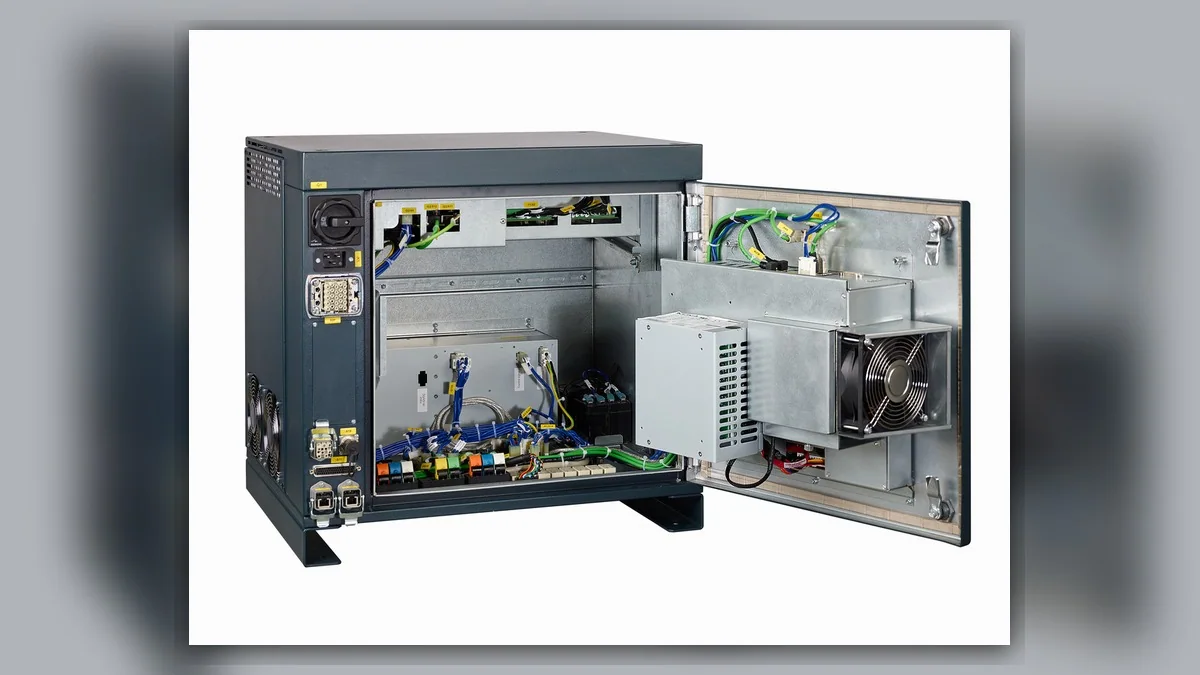
With the cabinet safely isolated, inspect serviceable filters and the accessible fan assembly as permitted by the documentation. Record contamination, damaged blades, loose mounting hardware, and visible connector or cable damage. Stop if access requires unfamiliar disassembly. Photographs and exact component identification are then needed before further work.
Review the event history against the inspection findings. If a different alarm occurred first, investigate its documented meaning before assigning the shutdown to cooling. If the only evidence is noise, identify its source rather than assuming the nearest fan is responsible. Do not run equipment with visibly damaged rotating hardware merely to reproduce the sound.
If airflow remains suspect after permitted maintenance, a qualified technician should evaluate the fan, its supply, and any applicable control arrangement using the matching service procedure. A stationary fan alone cannot distinguish a failed fan from missing supply or an operating condition that does not call for fan operation.
Repair Decisions and Component Identification
Replacement may be considered when inspection or professional testing establishes fan damage or failure. If the evidence instead identifies an obstruction, connection problem, or supply fault, address that finding and reassess cooling. Replacing the fan without resolving the cause may leave the original symptom unchanged.
Match any replacement to the exact model, part number, hardware revision, connector layout, and documented application. Physical fit alone does not establish suitability. ZHB is an independent industrial robot inspection, repair and maintenance service provider that also supplies parts to overseas customers; its industrial robot repair service is described at https://autonews.best/services.
Verification and Repair Inquiry
After authorized work, verify secure mounting, correct connections, unobstructed ventilation, and closure of all guards and cabinet panels. Confirm expected cooling operation through the applicable procedure and review new messages. Any observation requiring robot motion must be performed by suitably competent personnel under controlled conditions, following manufacturer operating information and site safety procedures. Stop if the original symptom returns.
For a repair inquiry, provide the robot model, controller model, complete alarm code, alarm history, component label, fault conditions, and clear photographs of the cabinet, ventilation openings, and safely accessible affected assembly. Include recent maintenance details so the inspection can distinguish a fan defect from an airflow or supply problem.
Need a part or repair assessment?
Share the robot model, part number, fault details and destination country with our team.
Contact our team ↗