
Robot Repair & Maintenance · 2026-10-29
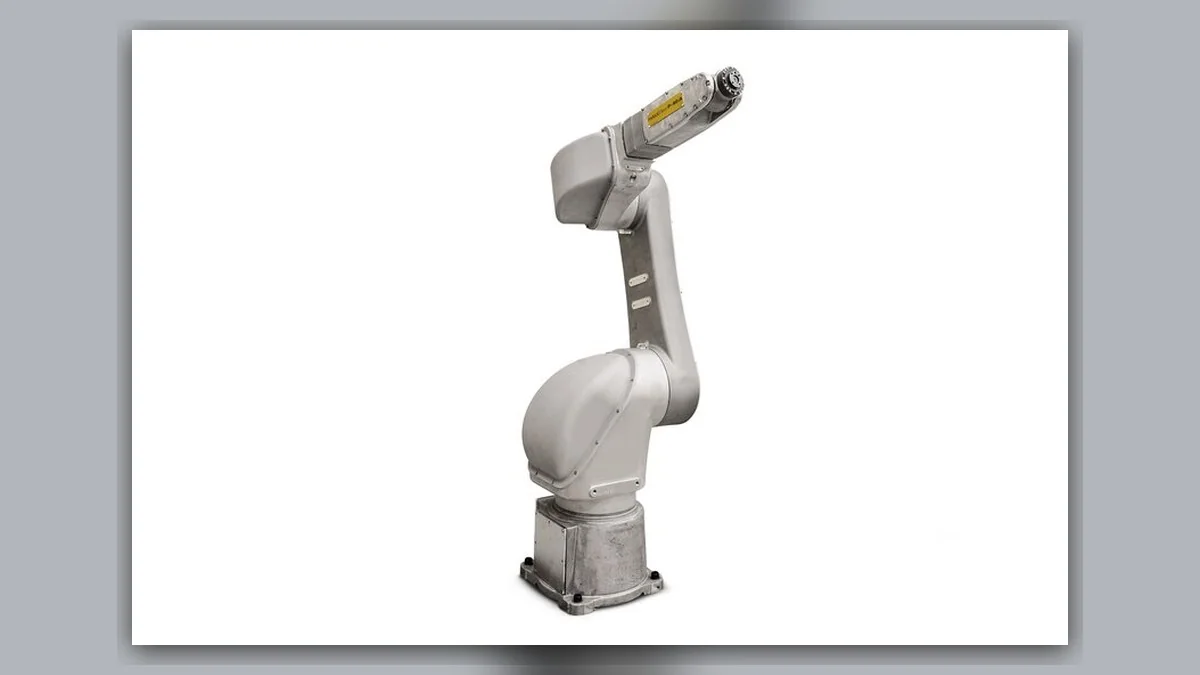
FANUC Robot Controller Repair: R-30iB Inspection
Prepare an R-30iB controller repair assessment with alarm history, model details, component labels and configuration-aware inspection evidence.
Read article →Prepare an R-30iB controller repair assessment with alarm history, model details, component labels and configuration-aware inspection evidence.
Read article →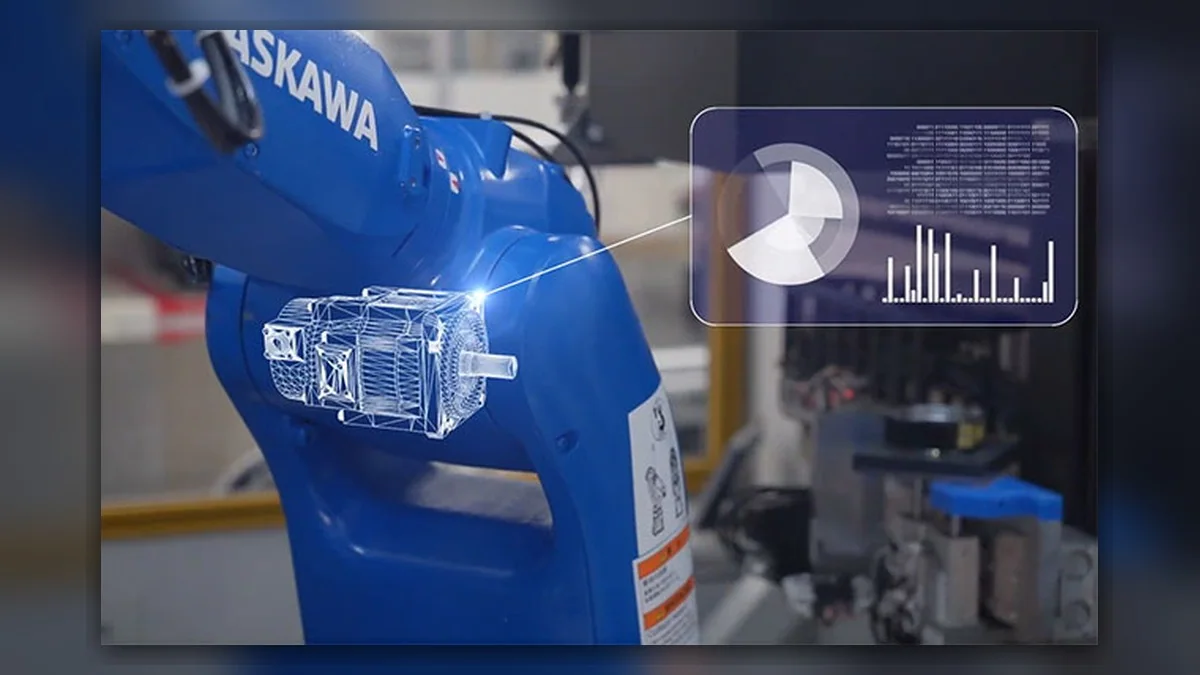
Use this Yaskawa robot maintenance checklist to inspect controller condition, preserve fault evidence, and plan a safer restart after shutdown.
Read article →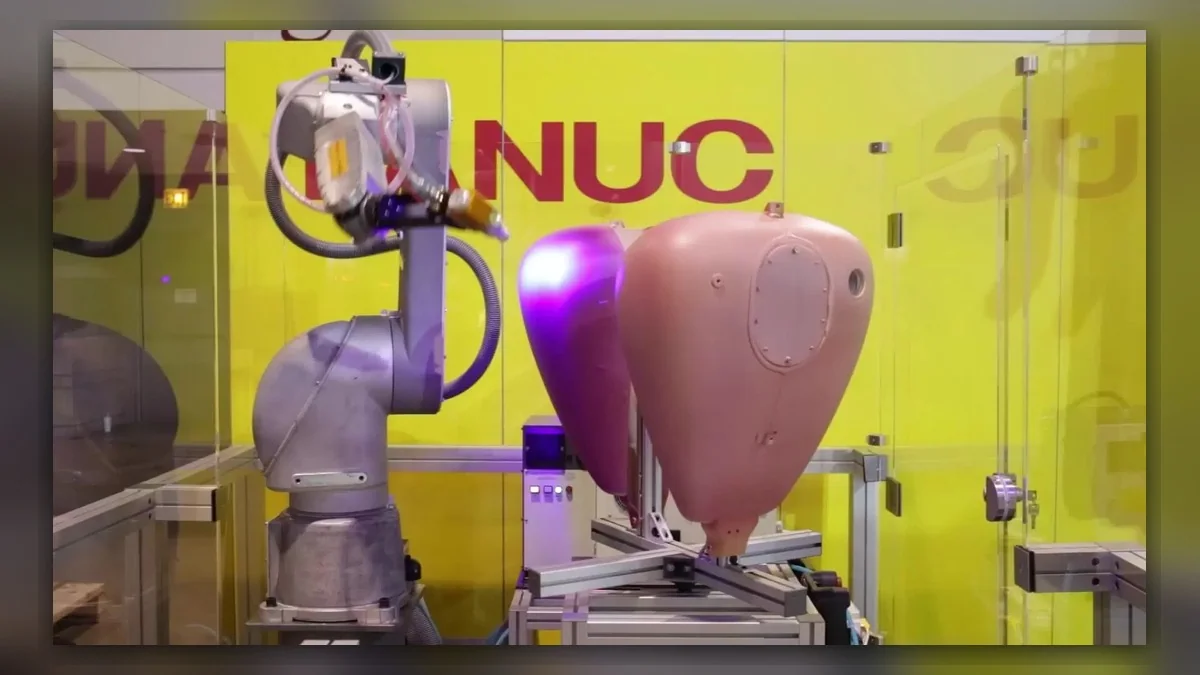
Use a structured FANUC robot maintenance routine to identify R-30iB controller risks, preserve fault evidence, and decide when repair evaluation is needed.
Read article →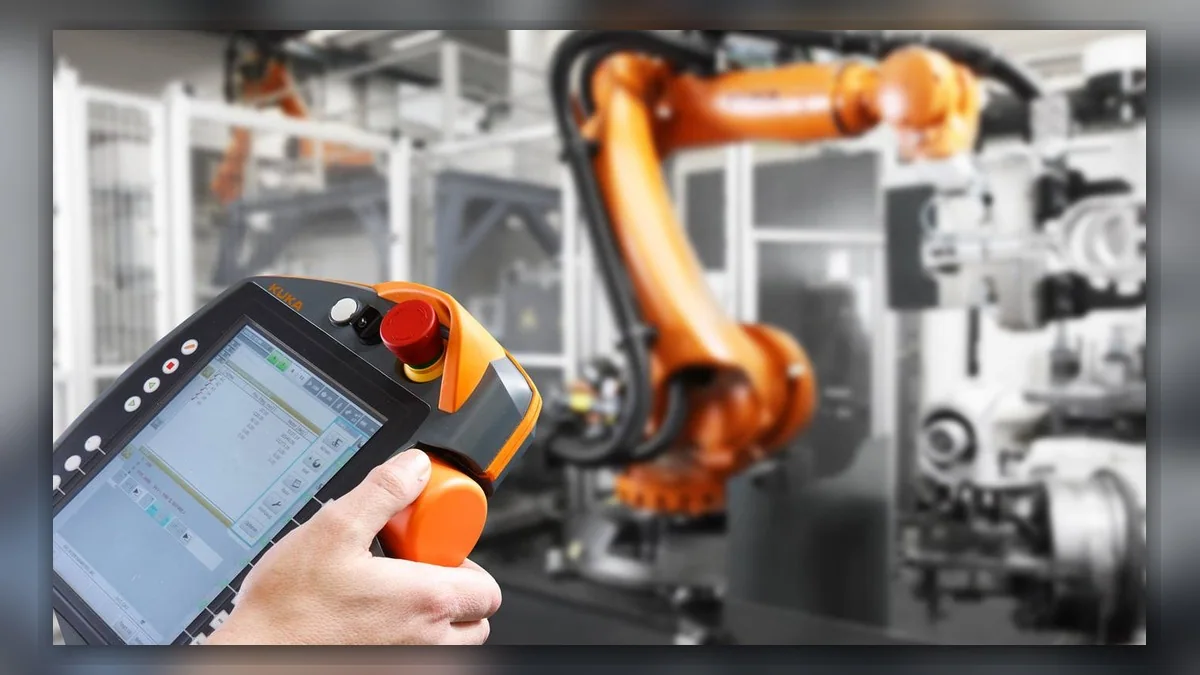
Use a structured KUKA robot maintenance routine to identify controller risks, preserve fault evidence, and decide when professional repair is justified.
Read article →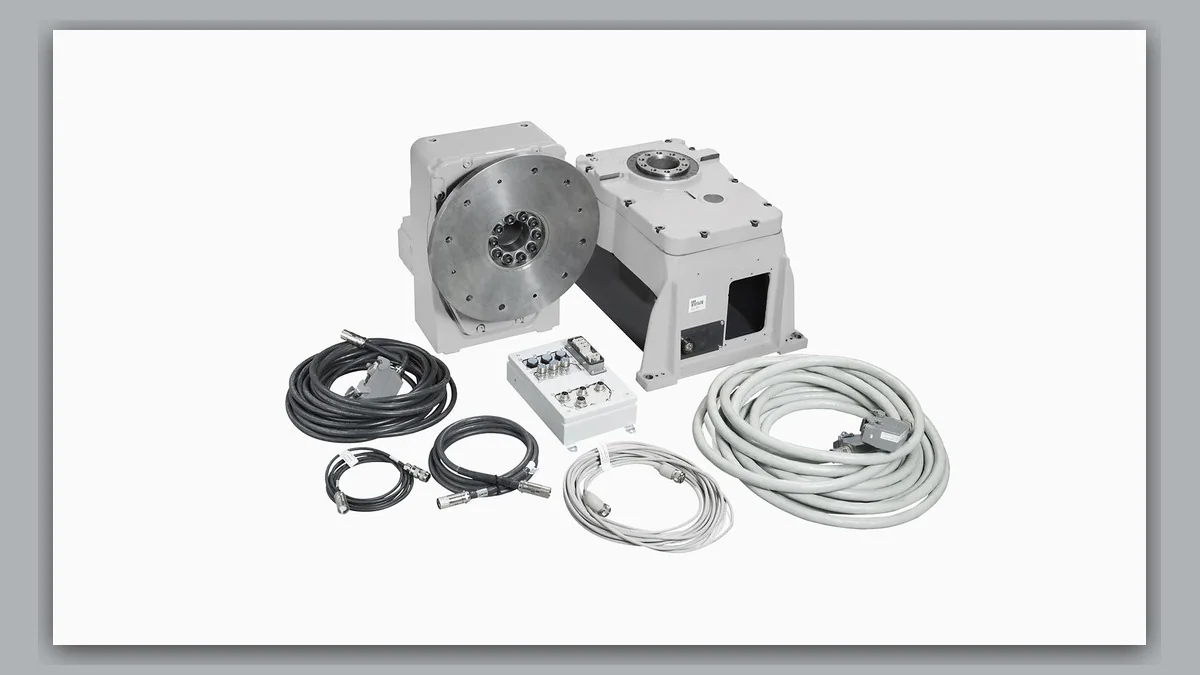
Use a structured ABB robot maintenance check to separate external axis, cable, drive, and mechanical causes before ordering repair parts.
Read article →
Learn how to prepare reliable evidence for Yaskawa robot repair when intermittent faults involve power, cables, control signals, drives, or feedback.
Read article →
Learn how to document FANUC SRVO-021 correctly, confirm the affected group and axis, and separate servo-enable evidence from an assumed amplifier failure.
Read article →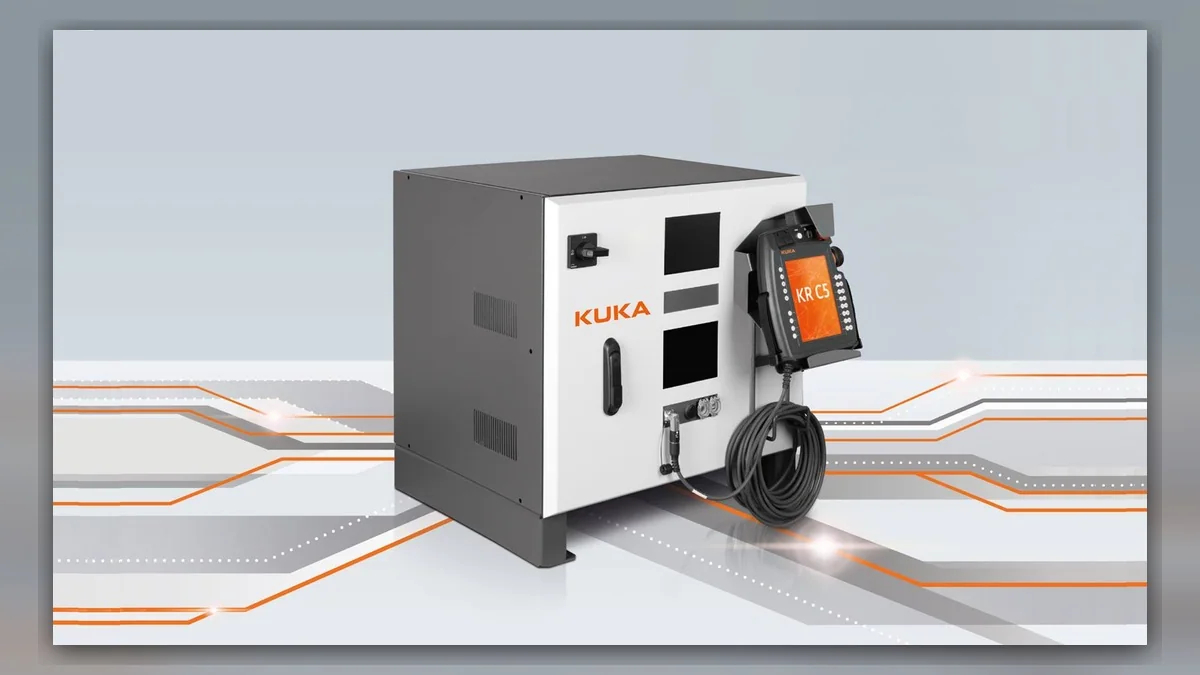
Learn how to diagnose a KUKA robot brake release fault by separating safety, wiring, motor, brake, and mechanical causes before replacement.
Read article →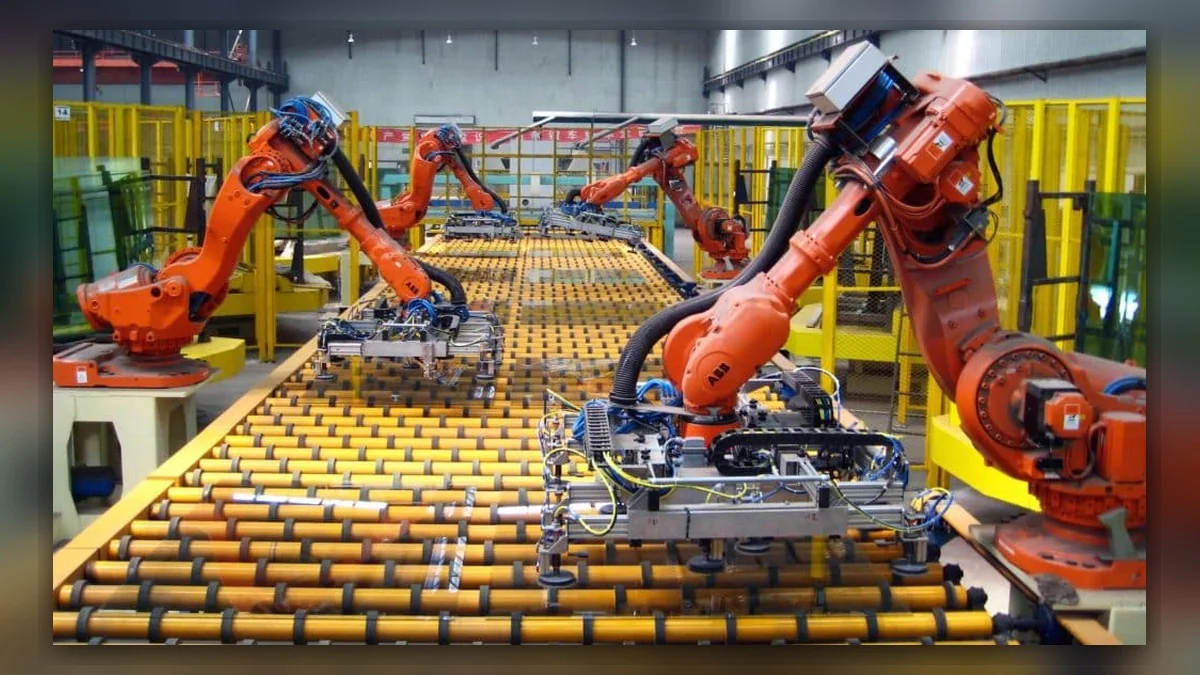
ABB robot maintenance should include documented grounding and bonding checks to help isolate power, cable, and controller-related faults.
Read article →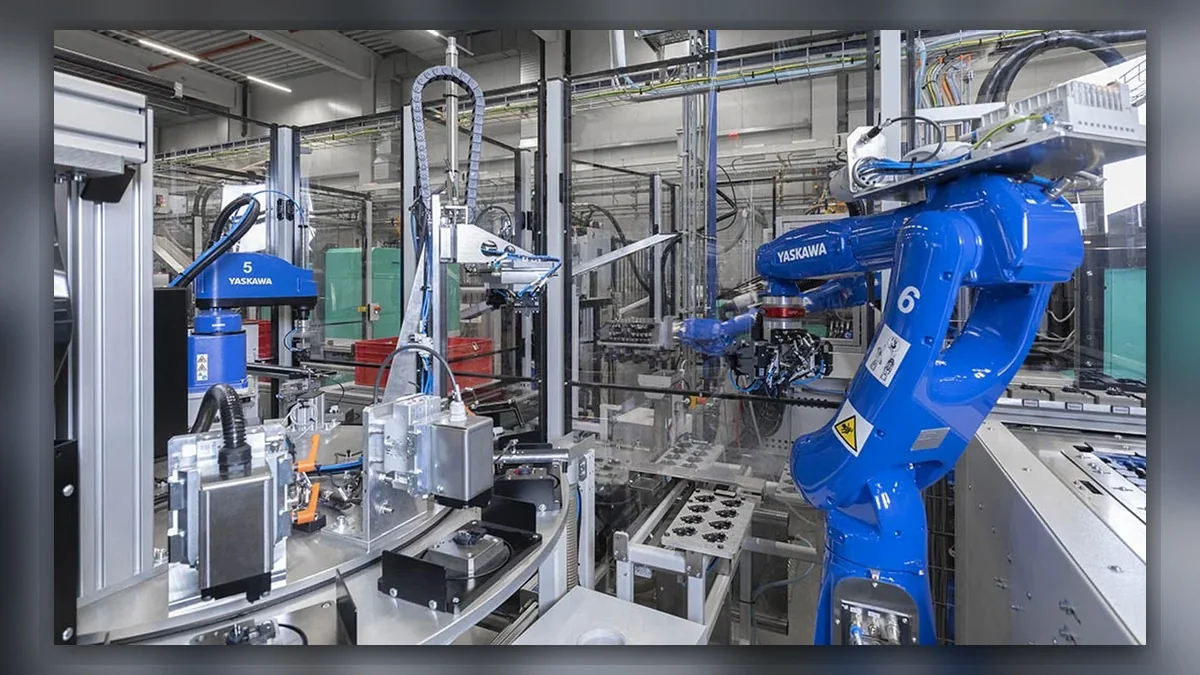
Use a structured Yaskawa robot repair process to separate controller, power, communication, feedback, and mechanical causes before replacing parts.
Read article →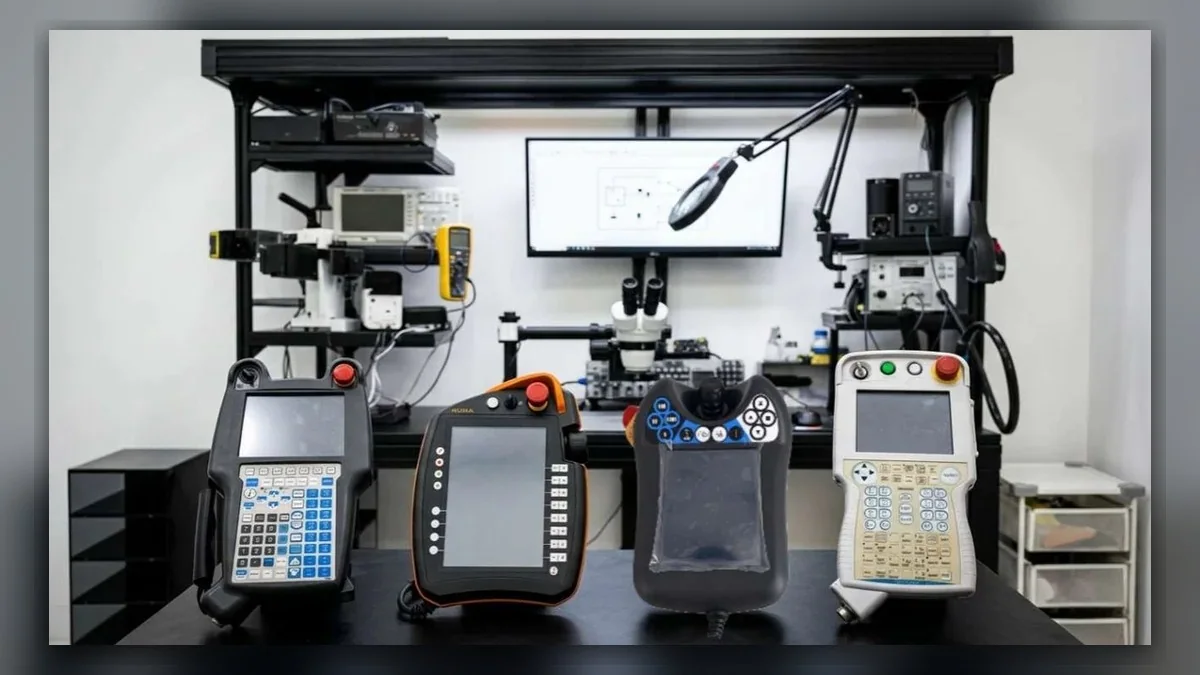
Assess visible FANUC teach pendant cable damage, record the installed assembly, and establish safe inspection and replacement criteria before restart.
Read article →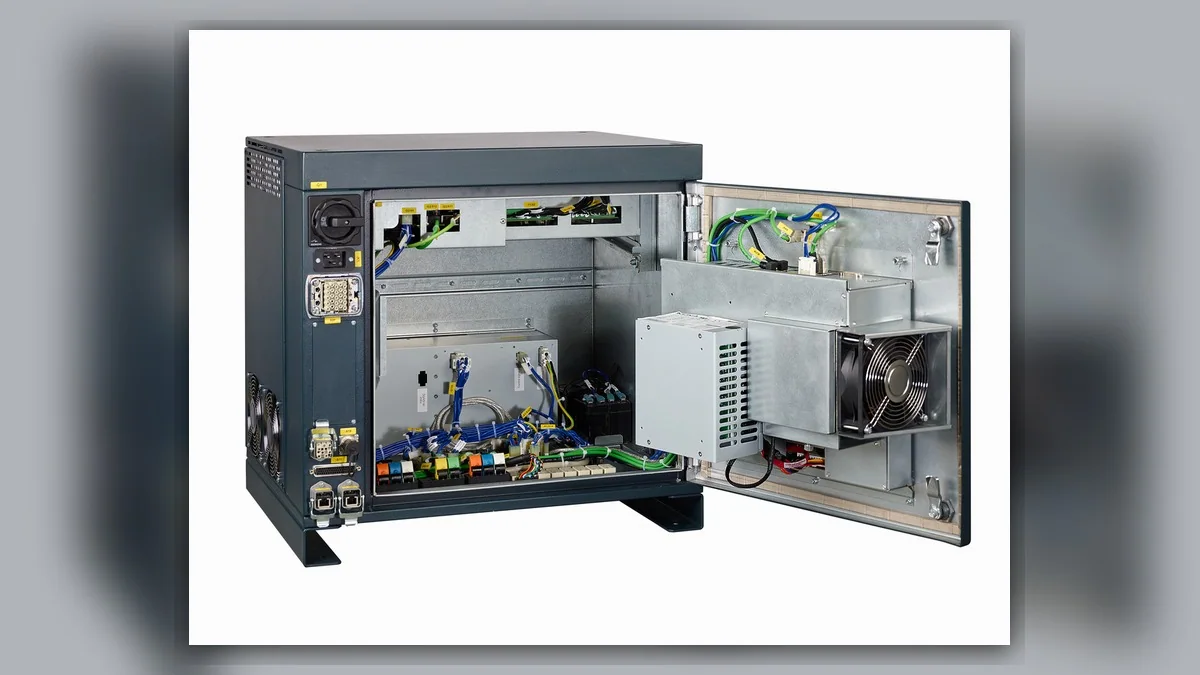
Diagnose a suspected KUKA KR C4 cabinet cooling fan fault using service records, airflow observations, safe inspection, and exact component identification.
Read article →Send the model, part number, quantity and destination country, or describe the equipment fault. Our team will review your sourcing or repair requirements.