
ABB Robot Maintenance for Intermittent Fault Evidence
Learn how to document and diagnose intermittent ABB robot faults during maintenance without replacing components before the evidence supports it.
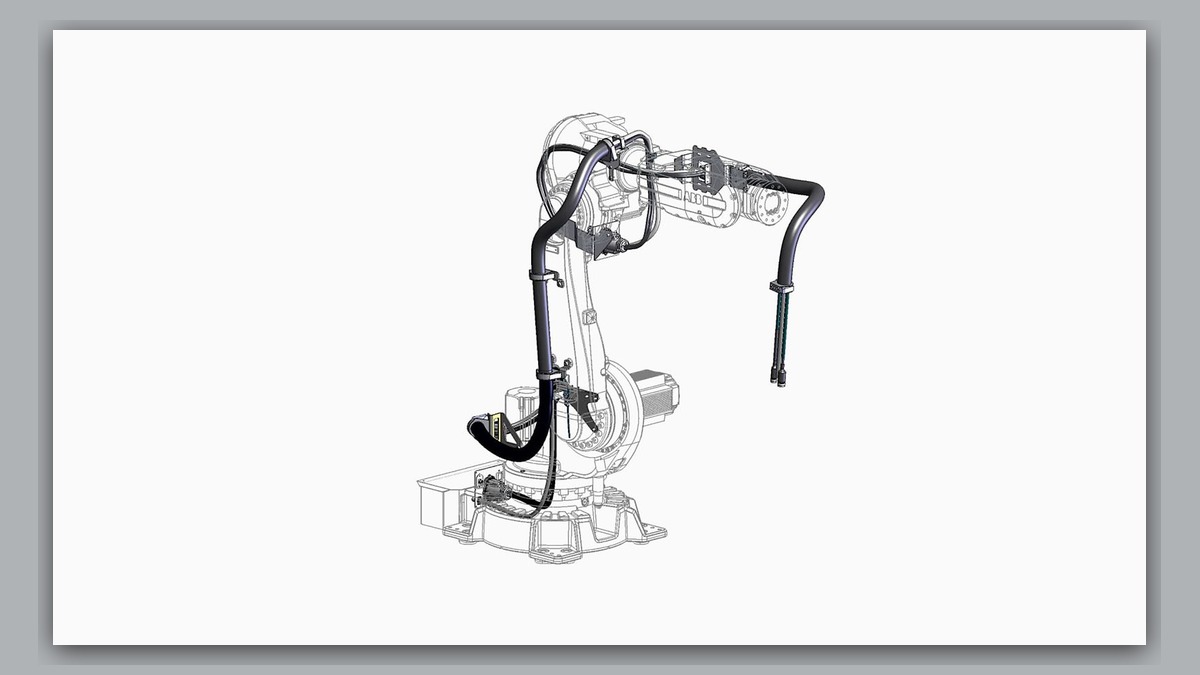
ABB robot maintenance for an intermittent fault should begin with evidence collection, not component replacement. Record the complete alarm text, affected axis, controller and robot identifiers, operating conditions, and the result of any reset. An intermittent symptom may involve power, cabling, configuration, feedback, drive behavior, or mechanical loading. The symptom alone does not prove that a servo motor, controller, or feedback-related component is damaged.
Symptoms and Scope
This procedure applies to general ABB industrial robot systems, including ABB IRC5 installations, when a fault appears intermittently during production, startup, enabling, or robot motion. It is intended for maintenance personnel, system integrators, and technical buyers who need to distinguish a repeatable equipment defect from a condition that has not yet been documented adequately. It does not identify one specific ABB alarm code and should not replace the instructions for the installed robot, controller, software version, or safety system.
Information to Record First
Complete alarm code and full text: Record the exact message as shown by the controller or teach pendant.
Date and exact time: Use the plant's time reference and retain the event sequence.
Faulted axis: Identify the axis or axes reported by the system.
Robot position/posture: Record the position only when it can be obtained safely from existing records or a controlled stop.
Program step or motion: Note the operation, direction, speed command, and whether the event occurred at startup, during motion, or while stationary.
Actual speed and load condition: Record available operating data and the load state without creating an unsafe test.
Reset result: State whether the alarm cleared, remained present, or returned after a reset.
Time until recurrence: Record the interval or operating condition before the fault returned.
Related power, communication or feedback alarms: Preserve the surrounding alarm history instead of reviewing only the final message.
ABB Robot Maintenance Diagnostic Sequence
First, identify the complete robot and controller configuration. The input is the robot model, controller model, software information, axis configuration, and labels on the affected equipment. Inspect the target by comparing these records with the maintenance documentation. If the configuration cannot be confirmed, stop component-level conclusions and obtain the missing identification data because connector layouts, options, and procedures can differ.
Next, review the alarm history and the conditions immediately before the event. Look for a preceding power, communication, feedback, safety, or motion-related message. If an earlier alarm consistently appears first, treat the later symptom as a possible consequence and investigate the earlier condition according to the applicable ABB documentation. If the history is incomplete, preserve the available records and arrange a controlled data-capture method rather than repeatedly resetting the robot.
Inspect external conditions only within the site's safety procedure. Check for visible cable damage, loose or contaminated connections, cabinet contamination, signs of overheating, and changes made during recent service. This inspection can identify a damaged or disturbed connection, but a clean exterior does not prove that an internal component is healthy. Do not remove covers, disturb energized equipment, or perform live measurements unless the task is authorized and assigned to suitably competent personnel using the applicable procedure.
Compare the fault with robot position, motion direction, load condition, and restart state. A fault that follows one posture or cable bend may justify focused inspection of the relevant cable route and connections. A fault that appears at startup may require attention to controller power, safety circuits, drive enable conditions, or configuration. A fault associated with a particular load or motion may require review of mechanical resistance, payload data, and motion conditions. These are diagnostic possibilities, not confirmed causes, and each must be supported by alarm history and controlled inspection.
How to Distinguish Similar Causes
A repeated alarm after every reset suggests a currently present condition, but it still does not identify the failed part. An intermittent alarm that disappears after movement, cabinet access, or a power cycle requires careful event comparison because the action may have changed a connection or operating state without correcting the underlying problem. If the fault follows a cable position, inspect the cable system and connectors. If it follows an axis independent of position, compare the relevant drive, motor, feedback-related component, and mechanical conditions using the applicable ABB service information. Do not exchange parts between axes unless the procedure and compatibility are confirmed.
When Repair or Replacement May Be Considered
Professional testing or repair should be considered when the evidence points to a specific component, the fault persists after permitted external checks, visible damage is found, or the system cannot be safely returned to production. Match any proposed spare part to the exact model, part number, hardware revision, and connector layout. A replacement should be a documented decision based on the fault record and test results, not a response to an intermittent symptom alone. For relevant ABB inspection and repair support, see https://autonews.best/abb-robot-repair. ZHB is an independent industrial robot inspection, repair, and maintenance service provider that also supplies parts to overseas customers, without implying manufacturer authorization.
Information Required for a Repair Inquiry
Provide the robot model, controller model, complete alarm code and text, alarm history, component label, fault conditions, and clear photographs. Include the affected axis, operating position, program step, reset result, recurrence timing, and any recent maintenance or cabinet work. Clear photographs should show equipment labels, connectors, cable routing, and visible damage without exposing personnel to hazardous conditions.
Verification After Repair or Replacement
Before returning the ABB system to production, confirm that the repair or replacement matches the approved configuration and that covers, connectors, grounding, guarding, and safety functions have been restored. Review the alarm history and verify that no earlier related fault remains. A suitably competent person may perform controlled motion checks under the applicable manufacturer operating information and site safety procedure. Start with a safe, limited verification and confirm the affected operation, axis behavior, and system status before normal production. Do not repeat a risky action merely to reproduce an intermittent fault.
Conclusion
Effective ABB robot maintenance turns an intermittent fault into a traceable diagnostic record. Exact alarm text, timing, axis information, operating conditions, configuration details, and related history help separate power, connection, feedback, drive, configuration, and mechanical possibilities. That evidence supports a proportionate repair decision and reduces the risk of replacing a component that has not been shown to be defective.