
ABB Servo Motor Repair for High Current on One Axis
Learn how to separate ABB servo motor faults from brake, cable, drive, load, and mechanical causes when one robot axis draws unusually high current.
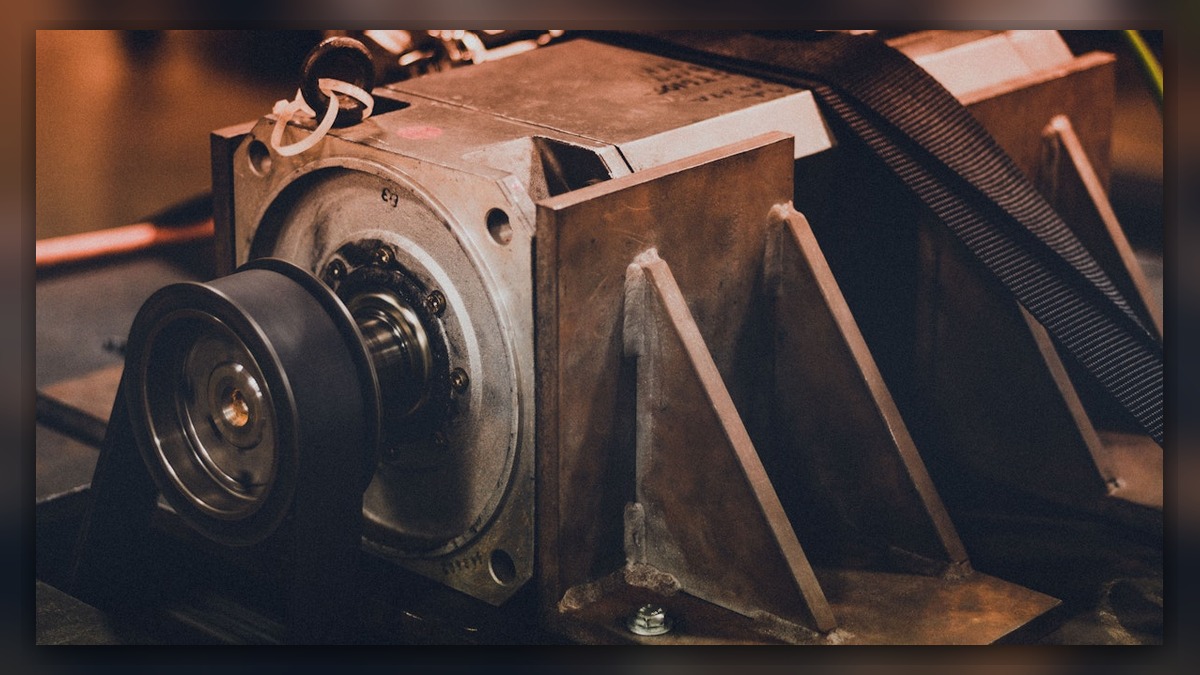
Unusually high current on one ABB robot axis can involve the servo motor, motor cable, brake circuit, drive system, mechanical transmission, payload, or robot configuration. Before arranging ABB servo motor repair, record the complete alarm text, affected axis, operating condition, robot posture, load, and recent maintenance. High current alone does not prove that the motor is damaged. A restricted joint, unreleased brake, cable defect, incorrect load data, or drive-related problem can produce a similar symptom.
Symptoms and Scope
This diagnostic approach applies to an ABB robot axis that shows higher-than-expected current, torque, heating, or load indications compared with its normal operating baseline. The symptom may appear continuously, during acceleration, in one part of the working envelope, or only with a particular tool and payload.
The procedure is not a substitute for the model-specific ABB documentation. Alarm interpretation, permissible operating data, brake design, motor connections, and service procedures depend on the installed robot, controller, motor, and axis. A current indication viewed without comparable speed, posture, acceleration, and load conditions cannot independently establish motor failure.
Information to Record First
Preserve the available evidence before resetting alarms or changing the program. Alarm history and production conditions often help distinguish an electrical defect from a load-dependent mechanical problem.
Complete alarm code and full text:
Date and exact time:
Faulted axis:
Robot position/posture:
Program step or motion:
Actual speed and load condition:
Reset result:
Time until recurrence:
Related power, communication or feedback alarms:
Also record the robot model, controller model, motor part number, motor serial information, installed tool, payload, and any recent collision, cable replacement, lubrication work, motor replacement, or mechanical service. Save applicable system data according to the manufacturer’s instructions before service activity begins.
Safety and Preparation
Use the site’s lockout and energy-isolation procedure before inspecting motor cables, connectors, brakes, or mechanical joints. A robot axis can move because of gravity, stored mechanical energy, or brake release. Support any axis that could fall or rotate when restraint is removed. Electrical and mechanical inspections should be completed only by personnel qualified for the installed ABB system.
Do not disconnect a motor, perform insulation testing, release a brake, or move an unsupported axis merely to reproduce the symptom. Test instruments and methods must be suitable for the component being evaluated. Sensitive feedback-related components and connected electronics may require isolation under the applicable service instructions.
ABB Servo Motor Repair Diagnostic Sequence
- Confirm the symptom under known conditions. Compare the affected cycle with an established normal baseline, using the same robot posture, speed, acceleration, tool, and payload where records permit. If the indication changes mainly with payload or acceleration, verify the application data and mechanical demand before condemning the motor. Observation under motion may be performed only by suitably competent personnel under controlled conditions and in accordance with ABB operating information and site safety procedures.
- Review alarm history. Identify whether a power, drive, brake, communication, temperature, or feedback alarm occurred before the high-current symptom. An earlier alarm can redirect the investigation. Record the complete text rather than relying on a shortened operator description.
- Inspect external conditions. With energy safely isolated, look for damaged cables, loose or contaminated connectors, displaced cable supports, coolant or oil exposure, impact marks, and signs of overheating. Determine whether the symptom changes with robot posture. A posture-dependent event can indicate a moving cable or connection problem, although further testing is required before confirming the cause.
- Check brake and mechanical resistance. Establish whether the axis brake releases correctly and whether the joint or transmission shows binding, abnormal noise, or restricted motion. Follow the model-specific procedure and provide mechanical support before any brake-related work. Excessive resistance may originate in the brake, reducer, bearings, attached tooling, or another mechanical assembly rather than inside the servo motor.
- Evaluate the electrical path. Qualified technicians can inspect the motor power path, protective earth, motor cable, connectors, and drive output using approved procedures. Measurements must be interpreted against the exact motor and controller documentation. A cable defect or drive problem can resemble a winding fault, while an inappropriate test can damage connected electronics.
- Isolate the motor only when the evidence supports it. Professional motor evaluation may include inspection of windings, insulation condition, brake operation, bearings, shaft condition, connectors, and the applicable feedback-related component. Acceptance criteria must come from verified specifications for the exact ABB motor. Do not apply generic resistance or insulation limits when the correct model data and test conditions are unavailable.
How to Distinguish Similar Causes
A symptom concentrated in one robot posture may point toward a moving cable, connector, or mechanical loading condition. A symptom linked to acceleration or payload may require review of load data, tooling, collision damage, and transmission resistance. Heating or abnormal noise localized at the motor may justify motor inspection, but it still does not identify the failed internal part. Feedback alarms may support investigation of the feedback circuit; they do not automatically confirm that the feedback-related component inside the motor is defective.
When Repair or Replacement May Be Considered
Motor repair may be considered when controlled testing identifies an internal winding, insulation, brake, bearing, connector, shaft, or supported feedback-related defect. Replacement may be more appropriate when damage is extensive, critical parts are unavailable, or a verified repair cannot meet the required acceptance criteria.
Any spare or replacement motor must be matched by exact model, ABB part number, hardware revision, connector layout, brake arrangement, and application requirements. Mechanical installation, calibration, and commissioning requirements must be confirmed for the specific robot. Do not assume that visually similar motors are interchangeable.
Verification After Repair or Replacement
Before restart, verify connector seating, cable routing, mechanical installation, tool and payload data, calibration status, protective functions, and the absence of tools or temporary supports. Begin with the manufacturer-approved commissioning process at controlled conditions. Confirm brake behavior, axis response, alarm history, temperature trend, noise, and repeatability before returning the robot to production. Do not use a full-speed production cycle as the first post-repair test.
ZHB is an independent industrial robot inspection, repair, and maintenance service provider that also supplies parts to overseas customers. Broader ABB robot repair support is available at https://autonews.best/abb-robot-repair, while general industrial robot repair service information is available at https://autonews.best/services.
Information Required for a Repair Inquiry
For an evaluation, provide the robot model, controller model, complete alarm code and text, alarm history, motor label and part number, fault conditions, and clear photographs of the motor, connectors, cables, and any visible damage. Include the affected axis, robot posture, tool and payload information, recent maintenance, and whether the symptom follows a specific motion. These details help determine whether the motor should be tested or whether cable, drive, brake, configuration, or mechanical inspection should come first.
Conclusion
High current on one ABB axis is a diagnostic symptom, not proof of servo motor failure. A reliable decision requires documented operating conditions, alarm-history review, safe inspection of the cable and connections, assessment of brake and mechanical resistance, and model-specific electrical testing. ABB servo motor repair should proceed only after the evidence separates an internal motor defect from drive, wiring, load, configuration, and robot-joint causes.