
ABB Servo Motor Repair for Heat-Related Axis Faults
Learn how to document and diagnose an ABB robot axis that operates when cold but develops motor, feedback, or brake symptoms after warming.
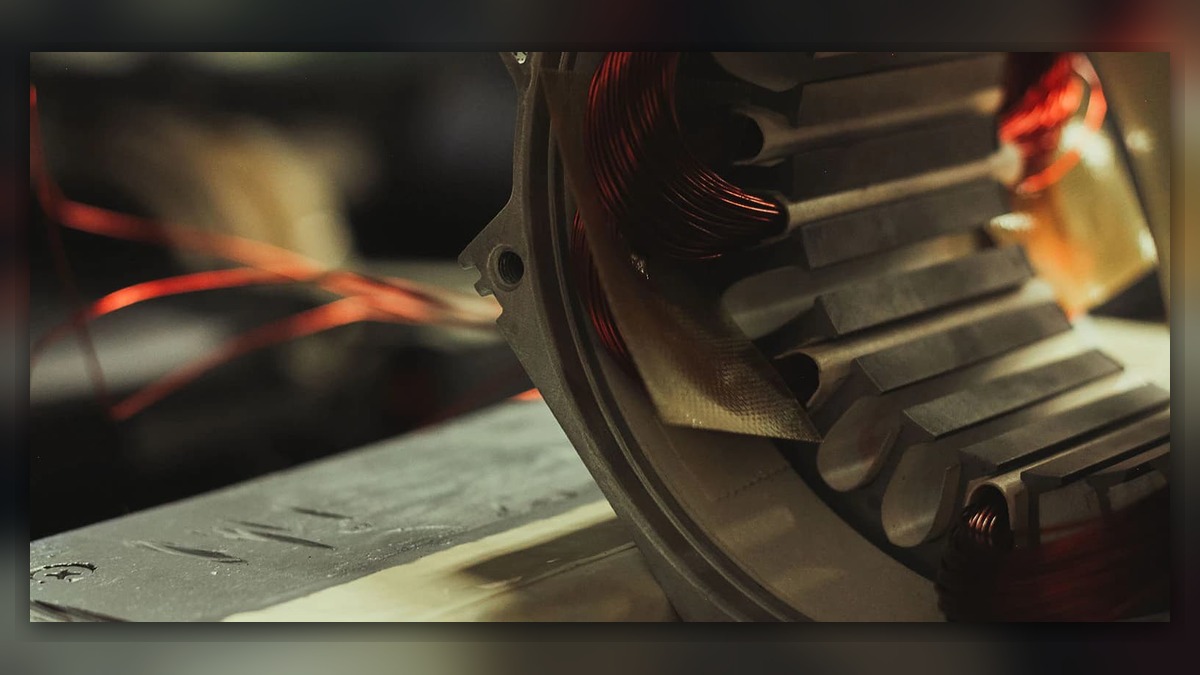
ABB servo motor repair may be appropriate when one robot axis operates normally after a cold start but develops alarms, unstable motion, abnormal noise, or brake-release problems after warming. Potentially involved systems include the motor windings, brake, feedback-related components, motor and robot cables, connectors, drive unit, mechanical transmission, and cooling conditions. Before diagnosis, record the complete alarm, affected axis, operating time and robot posture. A temperature-related symptom alone does not prove that the servo motor is damaged.
Symptoms and Equipment Scope
This diagnostic approach applies to ABB industrial robot axes that show a repeatable difference between cold and warm operation. The symptom may emerge after a period of production, under a particular load, or in a recurring section of the program. Applicable observations include:
- An axis alarm appearing only after operating for some time
- Motion becoming unstable as the system warms
- Abnormal motor or brake noise developing during production
- A brake that releases normally when cold but behaves differently later
- A fault that clears after the robot remains stopped and cools
These observations do not independently identify the failed component. A damaged cable may react to movement and temperature, a connector may have poor contact, a drive fault may appear after warming, or increased mechanical resistance may raise axis demand. This article is not a substitute for the alarm-specific ABB documentation for the installed robot and controller.
Information to Record First
Preserve evidence before resetting the controller or disconnecting components. Alarm history and operating context are often more useful than a report stating only that the motor becomes hot.
Complete alarm code and full text:
Date and exact time:
Faulted axis:
Robot position/posture:
Program step or motion:
Actual speed and load condition:
Reset result:
Time until recurrence:
Related power, communication or feedback alarms:
Also record the ABB robot model, controller model, motor part number, hardware revision, serial information where available, and photographs of the motor and connector layout. Note whether the problem began after a collision, cable replacement, motor service, payload change, prolonged storage, contamination event, or other maintenance activity. Do not repeatedly run the robot merely to reproduce a fault if doing so could increase equipment risk.
Safety and Preparation
Place the robot in a safe condition according to the applicable ABB instructions and the facility's energy-control procedure before inspecting cables, connectors, brakes, or mechanical assemblies. Stored energy, gravity-loaded axes and unexpected brake release can create serious hazards. Electrical testing and observation under motion must be performed only by suitably competent personnel using controlled conditions, the applicable manufacturer information and the site's safety procedure.
ABB Servo Motor Repair Diagnostic Sequence
1. Correlate the alarm with the warm-state symptom. Review the full event history and identify whether a power, drive, communication, brake or feedback alarm occurred first. An earlier alarm may define the correct diagnostic branch. If the complete alarm text is unavailable, obtain it before selecting a motor repair action.
- Confirm whether the symptom is axis-specific. Compare the affected axis with the remaining axes without assuming that identical surface temperatures should be expected. Record the motion, payload and posture at the time of failure. If several axes or cabinet devices are affected simultaneously, investigate shared power, controller or environmental conditions before condemning one motor.
- Inspect external conditions. With the equipment safely isolated, examine the motor area, accessible cables and connectors for contamination, damaged insulation, loose mounting, corrosion, discoloration or signs of mechanical impact. Verify that recent work has not left a connector incompletely seated or a cable under abnormal strain. Visible damage supports further inspection but does not establish the condition of internal motor parts.
- Separate posture-related and time-related behavior. If the fault consistently occurs at one robot posture, the moving cable path or a mechanically loaded position may require attention. If it appears after a similar operating duration across different postures, heat-sensitive electrical, brake, drive or connection problems become possibilities requiring testing. Both patterns can coexist, so use alarm history rather than symptom timing alone.
- Assess mechanical loading. Check for external interference, an incorrectly supported dress package, tooling contact, changed payload conditions or abnormal resistance in the driven joint. A motor can show high demand because of a mechanical problem elsewhere. Do not interpret elevated motor effort as proof of an internal winding or bearing failure without additional evidence.
- Evaluate the motor and associated components. Professional bench inspection may include condition checks appropriate to the exact motor, brake, power connections and feedback-related components. Test methods and acceptance criteria must match the ABB motor identification and applicable technical information. Unsupported live measurements, arbitrary parameter changes and uncontrolled brake release should not be used as shortcuts.
How to Distinguish Similar Causes
A motor-related fault is more credible when alarm evidence and controlled testing consistently follow the motor or identify an internal defect. A cable-related cause becomes more plausible when the symptom changes with posture, cable movement or connector condition. A drive-related cause requires evaluation when the controller history identifies the drive stage or when qualified comparative testing supports that conclusion. Mechanical resistance should be considered when noise, loading or motion behavior points to the joint or transmission.
No single observationâÂÂmotor warmth, a reset that temporarily succeeds, or recurrence after a fixed periodâÂÂproves which component has failed. The evidence should connect the alarm sequence, physical inspection and component testing.
When Repair or Replacement May Be Considered
Motor repair may be considered when qualified inspection identifies a serviceable defect within the motor assembly. Replacement may be more suitable when damage is outside a safe or economical repair scope, but the decision depends on the exact motor and verified test findings. Any replacement must match the complete model, part number, hardware revision and connector layout. Compatibility should never be inferred from appearance alone.
For broader ABB robot inspection beyond the motor, see the ABB robot repair service at https://autonews.best/abb-robot-repair. ZHB is an independent industrial robot inspection, repair and maintenance service provider that also supplies parts to overseas customers; it does not claim ABB manufacturer authorization.
Verification After Repair or Replacement
Before restart, confirm connector security, cable routing, mechanical installation and completion of all required controller and robot checks. Determine whether calibration-related work is required for the specific repair rather than assuming that previous data remains valid. Initial motion verification should be performed at controlled speed by competent personnel under the applicable ABB procedures and site safety rules.
Monitor the alarm history and the original operating conditions without deliberately imposing an unsafe stress test. Confirm that the axis completes the relevant production motion, that no related alarm returns and that brake and motion behavior remain consistent. Verification should address the original symptom over an appropriate controlled operating period, not merely a successful power-on.
Information Required for a Repair Inquiry
For an ABB servo motor repair inquiry, provide the robot model, controller model, complete alarm code and text, alarm history, motor label, component part number, fault conditions and clear photographs of the motor, connectors and accessible cable damage. Include the affected axis, robot posture, program stage, load condition, time until recurrence and any recent collision, contamination or maintenance event. This information helps determine whether the motor should be tested or whether the cable, drive, brake, feedback path or mechanical system requires investigation first.
Conclusion
An ABB axis that fails only after warming requires evidence-based separation of motor, brake, feedback, cable, drive and mechanical causes. Record the complete alarm sequence, compare time and posture patterns, inspect accessible connections and verify the component identity before arranging repair. ABB servo motor repair should follow confirmed test findings rather than temperature, noise or temporary reset behavior alone.