
Yaskawa Robot Repair for a Single Axis Running Hot
Diagnose a hot Yaskawa robot axis by separating load, brake, cable, motor, drive, lubrication, and mechanical causes before replacing parts.
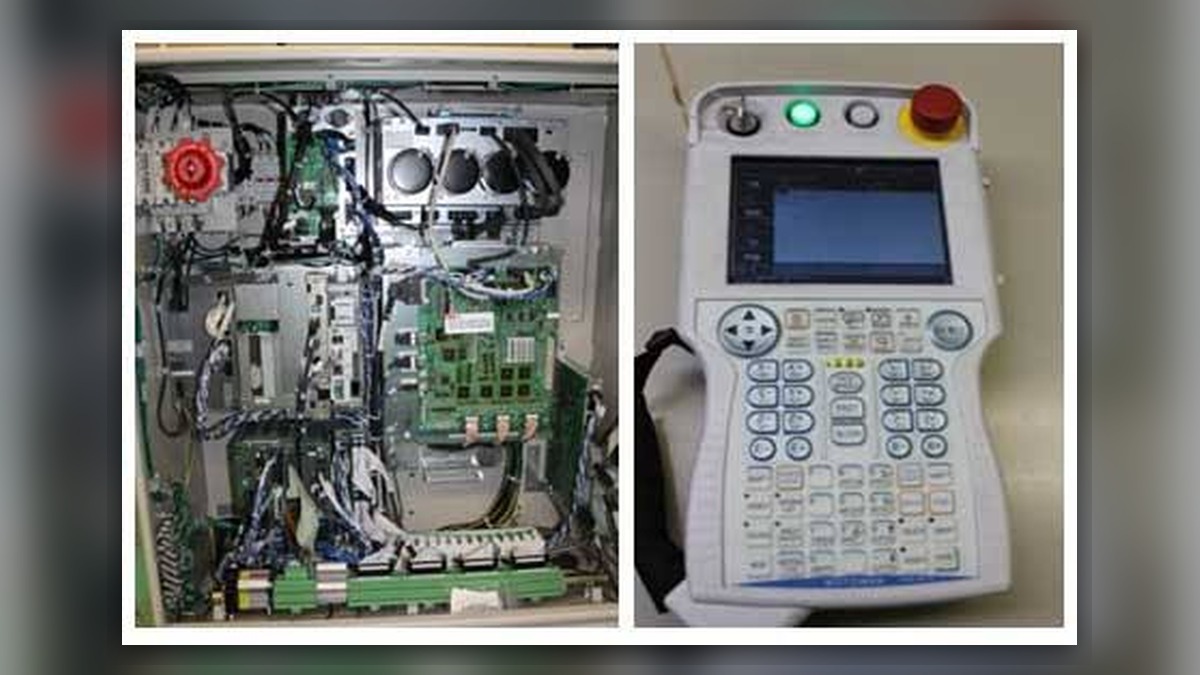
A Yaskawa robot axis running hotter than the others may involve excessive load, restricted movement, brake drag, cable damage, a motor issue, drive behavior, lubrication condition, or mechanical resistance. Before beginning Yaskawa robot repair, record the affected axis, complete alarm text, operating state, payload, posture, speed, and time until the symptom appears. Temperature alone does not prove that the servo motor, drive, or reducer is damaged because robot duty, axis orientation, ambient conditions, and programmed motion can influence heating.
Symptoms and Scope
This diagnostic approach applies to Yaskawa industrial robot systems where one axis appears unusually hot, produces a temperature-related alarm, or repeatedly stops after operating for a period. The exact inspection procedure depends on the robot model, controller model, installed motor, application, and maintenance documentation.
The scope is limited to abnormal heating associated with one axis. It does not cover general controller overheating, multiple axes heating under an excessive production duty, or a confirmed alarm requiring a different manufacturer-defined procedure. A surface-temperature observation, odor, sound, or operator impression cannot independently identify the failed component.
Information to Record First
Preserve evidence before resetting the controller or changing the program. Alarm history and production conditions can help determine whether heating follows motion, load, posture, or elapsed operating time.
Complete alarm code and full text:
Date and exact time:
Faulted axis:
Robot position/posture:
Program step or motion:
Actual speed and load condition:
Reset result:
Time until recurrence:
Related power, communication or feedback alarms:
Also record the robot model, controller model, motor label, application, payload and tooling configuration. Note whether the symptom began after a collision, cable replacement, lubrication service, motor work, tooling change, program change, or extended shutdown. Do not deliberately repeat a potentially damaging cycle merely to reproduce the condition.
Safety and Preparation
Stop operation if there is smoke, a burning odor, visible cable damage, lubricant leakage, unusual mechanical noise, or repeated protective trips. Apply the siteâÂÂs energy-isolation procedure before touching connectors, opening enclosures, or inspecting an axis mechanically. A robot arm can move because of gravity or stored mechanical energy even when motor power is removed.
Only suitably competent personnel should perform observations requiring robot motion. Such checks must use controlled conditions, the applicable Yaskawa operating information, and the site safety procedure. Unsupported live electrical measurements, internal drive work, or changes to safety and servo parameters are outside the scope of this field triage.
Yaskawa Robot Repair Diagnostic Sequence
1. Confirm the affected axis and operating pattern. Use the event log, operator report, and program information to determine whether the same axis is involved each time. If several axes heat together, investigate common duty, ambient cooling, cabinet conditions, payload, and production changes before treating the event as an isolated axis failure.
- Verify the load and tooling configuration. Compare the installed tool and workpiece with the approved application data. Look for a recent gripper, hose, fixture, or payload change. An incorrect load configuration is a possibility requiring verification, not proof of the cause. If the actual tooling is unknown, obtain its mass, center-of-gravity information, and installation details before drawing conclusions.
- Inspect visible cables and connections with power safely isolated. Check the affected axis cable route, motor connection area, strain-relief points, and external dress components for crushing, abrasion, contamination, looseness, or heat discoloration. A damaged cable may affect motor power, brake operation, or feedback, but visual condition alone cannot establish the internal electrical state.
- Review posture and motion dependence. Determine whether heating appears during one repeated move, near a particular posture, or throughout the complete cycle. A posture-dependent symptom can justify closer inspection of cable flexing, external interference, load moment, or mechanical resistance. If no consistent relationship exists, preserve the event history and investigate intermittent electrical or operating conditions without forcing another failure.
- Check for abnormal resistance or brake behavior. With the robot secured and inspected under the applicable service procedure, qualified personnel can evaluate whether the axis shows signs consistent with brake drag or mechanical restriction. Relevant evidence may include unusual sound, delayed release, difficult movement under an approved maintenance test, or heating that begins soon after motor enable. These observations do not distinguish the brake, motor, reducer, and mechanical transmission without further testing.
- Examine lubrication and mechanical condition. Look for leakage, contamination, evidence of incorrect recent service, or noises that change with direction and load. Do not add lubricant solely because an axis is hot. The correct lubricant, quantity, interval, and service method depend on the exact Yaskawa robot model and axis documentation.
- Evaluate the motor and drive only after external causes are reviewed. Professional testing may be appropriate when the evidence continues to follow the same axis and no external interference, load error, cable defect, or obvious maintenance issue is found. Motor, brake, feedback-related component, cable, and drive evaluations require suitable test methods and model-specific technical information. Avoid swapping components unless compatibility and safe test conditions have been confirmed.
How to Distinguish Similar Causes
Heating that follows a demanding program section may point toward duty or load conditions requiring engineering review. Heating associated with one posture may justify cable-route and mechanical-interference inspection. Heating that starts when motor power is enabled, before substantial motion occurs, can support investigation of brake or electrical conditions. Noise or resistance that varies with direction may support mechanical inspection.
None of these patterns confirms a defective part. Alarm history, physical inspection, model-specific testing, and comparison with known operating requirements are needed before repair or replacement is selected.
When Repair or Replacement May Be Considered
Repair or replacement may be considered when inspection identifies physical damage or controlled testing isolates a component outside its applicable requirements. Any spare motor, cable, brake assembly, drive, or mechanical unit must match the exact model, part number, hardware revision, ratings, and connector layout. Software and configuration compatibility must also be verified where applicable.
For broader inspection support, the industrial robot repair service overview is available at https://autonews.best/services. ZHB is an independent industrial robot inspection, repair, and maintenance service provider that also supplies parts to overseas customers; it does not imply Yaskawa manufacturer authorization.
Verification After Repair or Maintenance
Before restart, confirm that tools and temporary connections have been removed, guards and covers are restored, connectors are secured, and the work area is clear. Review the controller event history and verify that the correct robot, motor, and controller configuration remains in place.
Qualified personnel should begin with the manufacturer-defined restart procedure and controlled low-risk operation. Confirm brake release, axis response, cable movement, sound, and alarm status before returning to production. Any observation under motion must follow site safety controls. Do not immediately run a full production cycle solely to recreate the original heating event. Increase operating demand only after the earlier checks are satisfactory and the applicable procedure permits it.
Information Required for a Repair Inquiry
Provide the robot model, controller model, complete alarm code and text, alarm history, motor or component label, fault conditions, payload and tooling information, and clear photographs of the affected axis, connectors, cables, and labels. Include the recorded posture, program stage, operating time before the event, and any recent collision, maintenance, or tooling change. This information helps determine whether workshop component testing, on-site diagnosis, maintenance correction, or replacement evaluation is the appropriate next step.
Conclusion
A single hot axis requires evidence-based diagnosis rather than immediate motor or drive replacement. Record the operating conditions, confirm the exact equipment, inspect load and visible connections, review posture dependence, and evaluate brake, lubrication, mechanical, motor, cable, and drive possibilities in a controlled order. Effective Yaskawa robot maintenance should identify why heat is developing and verify safe operation after corrective work instead of treating temperature alone as proof of component failure.