
ABB Robot Maintenance Before a Planned Shutdown
Plan ABB robot maintenance before an extended shutdown by protecting system data, documenting condition, and controlling the final power-down.
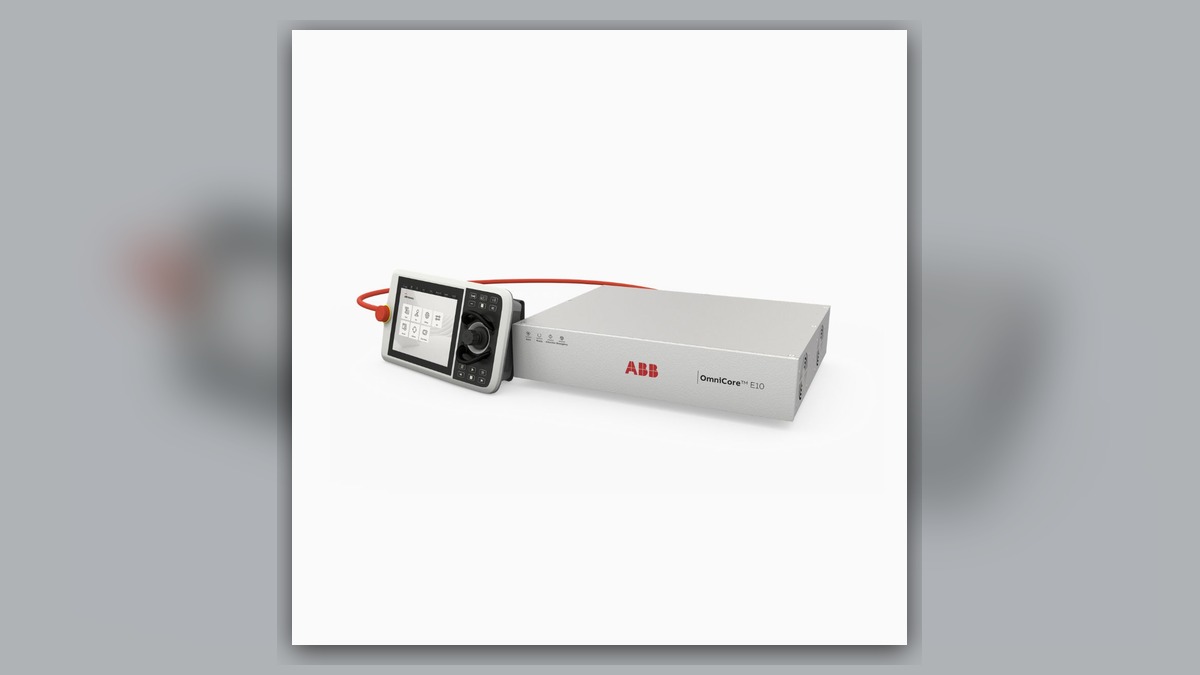
ABB robot maintenance before a planned shutdown should establish a reliable condition baseline, preserve recoverable system data, inspect exposed equipment, and document unresolved alarms before power is removed. Record the robot and controller models, operating condition, alarm history, calibration status, and shutdown duration. Oil traces, unusual sound, intermittent alarms, or damaged cables may involve mechanical, electrical, feedback, cooling, or application systems. None of these observations alone proves that a motor, controller module, cable, or gearbox is defective.
Scope and Maintenance Objective
This procedure applies to ABB industrial robot systems being prepared for a scheduled production stop, storage period, plant holiday, line modification, or delayed relocation. It focuses on documenting the working condition and reducing avoidable restart uncertainty. It is not a substitute for the maintenance instructions, storage requirements, or safety procedures for the installed robot and controller.
The required work depends on the robot family, controller generation, operating environment, application equipment, and expected shutdown duration. Welding, painting, foundry, food-processing, and material-handling installations can have different contamination and preservation risks. Confirm the exact equipment configuration before selecting maintenance tasks or replacement parts.
Information to Record First
Collect evidence while the system condition is still known. Do not create a fault by repeatedly running equipment that already shows abnormal movement, overheating, leakage, cable damage, or unexplained alarms.
Record the following information:
Robot model and serial number
Controller model and identification data
Installed options and connected external axes
Complete alarm codes and full text
Date and exact time of each relevant event
Faulted axis, if applicable
Robot position or posture
Program step or motion
Actual speed and load condition
Reset result
Time until recurrence
Related power, communication, or feedback alarms
Also record the active tool, payload configuration, production program, and any known calibration concerns. Photographs of the robot posture, controller interior condition, cable routing, connector condition, and identification labels can support later troubleshooting. Do not expose energized equipment merely to obtain a photograph.
ABB Robot Maintenance Data Preparation
Create backups using the procedures applicable to the installed ABB controller and software environment. Confirm that the backup can be located, identified, and associated with the correct robot. A filename alone is not sufficient evidence that all required information was captured.
Preserve relevant programs, system configuration, calibration-related records, application data, and alarm history where supported by the system. Record software and option information needed to interpret the backup. Store copies according to the factory’s data-control policy rather than leaving the only copy inside the production cell.
Do not change calibration data, safety configuration, drive parameters, or system software as part of routine shutdown preparation. If an unresolved configuration issue exists, document it and arrange a controlled review by competent personnel.
Safety and Physical Preparation
Follow the site lockout procedure and the applicable ABB safety information before entering the safeguarded area or opening a controller. Stored electrical energy, suspended loads, gravity-loaded axes, pneumatic devices, tooling, and external positioners can remain hazardous after production stops.
Move the robot to an approved shutdown posture only when the machine is operating normally and the movement can be performed under controlled conditions. The posture should not create interference, unstable tooling, excessive cable strain, or an unsafe gravity load. Motion observation must be performed only by suitably competent personnel in accordance with manufacturer operating information and the site safety procedure.
Inspect the robot base, arm covers, dress pack, exposed cables, connectors, tooling, and controller exterior for visible damage or contamination. Look for loose mounting hardware, damaged cable jackets, trapped hoses, blocked ventilation paths, coolant deposits, conductive dust, corrosion, and lubricant traces. Record findings before cleaning because the original location may help identify the source.
Do not use aggressive cleaning chemicals, compressed air, or uncontrolled washing methods around electrical equipment. Cleaning materials and methods must be compatible with the installed robot, seals, coatings, connectors, and application environment.
Controller and Cooling Inspection
Examine accessible controller air inlets, outlets, filters, fans, door seals, and surrounding clearance after the equipment has been made safe. Dust accumulation can restrict cooling, but a dirty filter does not independently confirm that an electronic module has overheated or failed.
If a filter or fan requires replacement, match the controller model, exact part number, hardware revision, electrical rating, mounting arrangement, and connector layout. Investigate unusual fan noise, repeated thermal alarms, or visible heat damage rather than treating routine cleaning as a complete repair.
Check the cabinet environment for possible water entry, condensation, pests, metal particles, or process residue. Suspected internal contamination should be assessed before the next energization. Powering contaminated equipment can increase damage and complicate fault analysis.
Mechanical and Cable Condition Baseline
Inspect each accessible joint area for fresh leakage, damaged covers, impact marks, abnormal cable tension, and loose external attachments. Compare observations with previous maintenance records where available. Lubricant residue may come from overfilling, migration, a damaged seal, or another nearby source; its presence does not by itself establish internal gearbox failure.
If abnormal sound, vibration, backlash, brake behavior, or positioning performance was reported before shutdown, preserve the operating evidence and escalate the issue. Do not continue cycling the robot simply to reproduce a potentially damaging symptom. Further inspection may require controlled mechanical measurement or professional component testing.
Shutdown Control and Handover
Resolve or formally document active alarms before the final shutdown. Confirm that production data has been saved, temporary bypasses have been removed or recorded under site control, and attached process equipment is left in a safe state. Apply the approved power-down sequence for the installed controller and peripheral equipment.
Create a shutdown handover record containing the final robot posture, backup location, unresolved defects, isolated utilities, removed components, open work orders, and restrictions for recommissioning. Attach identification to disconnected cables and removed parts without relying solely on memory or informal photographs.
When Inspection or Repair May Be Required
Professional inspection should be considered when shutdown preparation identifies repeated alarms, contamination inside the controller, damaged power or feedback cabling, brake irregularities, calibration uncertainty, lubricant leakage, collision evidence, or abnormal joint behavior. The decision to repair or replace a component should follow identification and testing, not symptom matching alone.
ZHB is an independent industrial robot inspection, repair, and maintenance service provider that also supplies parts to overseas customers. Relevant ABB robot repair support is described at https://autonews.best/abb-robot-repair. For a repair inquiry, provide the robot model, controller model, complete alarm code, alarm history, component label, fault conditions, shutdown history, and clear photographs of labels, damage, connectors, and cabinet condition.
Common Shutdown Maintenance Mistakes
Avoid assuming that a system backup eliminates the need for condition records. Other common mistakes include disconnecting unidentified cables, changing parameters without a recovery plan, cleaning away leakage evidence before documentation, leaving temporary jumpers undocumented, and ordering parts from appearance alone.
Do not select a spare using only the robot family name. Verify the exact model, part number, hardware revision, and connector layout. Software compatibility and configuration requirements must also be checked when they apply to the component.
Conclusion
Effective ABB robot maintenance before a planned shutdown creates a traceable baseline for safe storage and later recommissioning. Preserve system data, record alarms and operating conditions, inspect visible mechanical and electrical risks, control contamination, and document the final equipment state. Unresolved abnormalities should be evaluated before restart rather than hidden by resets, cleaning, or unverified part replacement.