
ABB Robot Maintenance for Damaged Manipulator Covers
Plan ABB robot maintenance for cracked or loose manipulator covers by checking attachment points, nearby cables, and the correct replacement part.
In this article
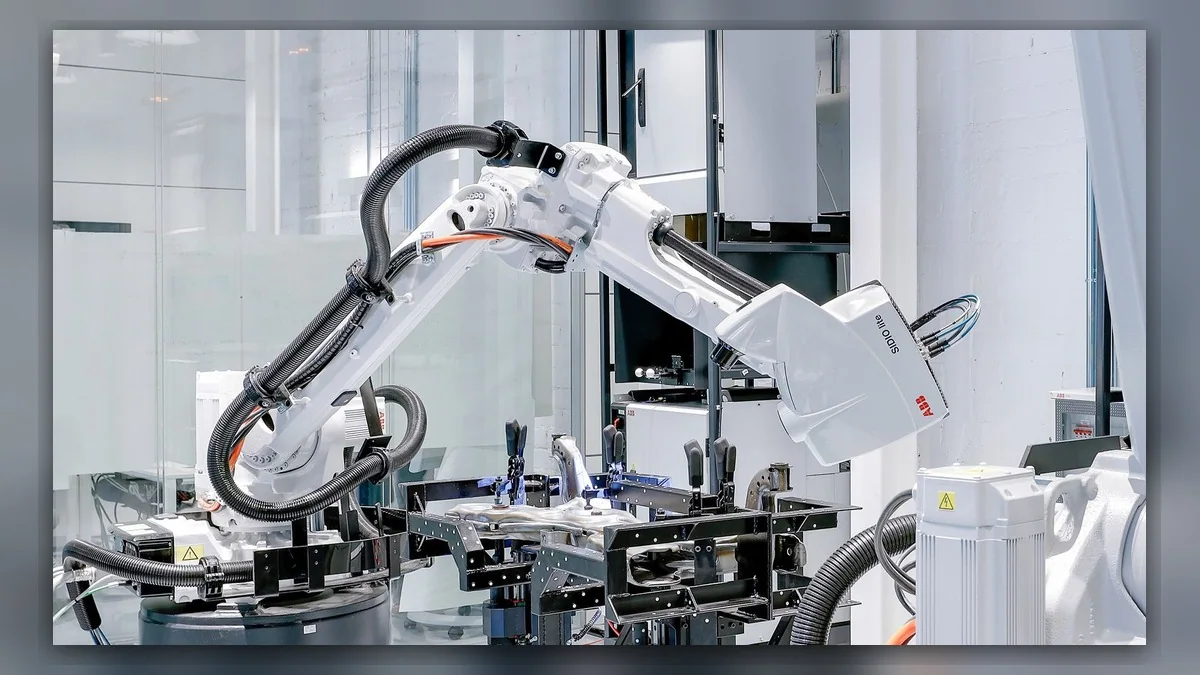
ABB robot maintenance for a cracked, loose, or missing manipulator cover should establish whether damage is limited to the cover or also affects its attachment points and nearby equipment. Record the robot identity, cover location, discovery time, operating conditions, and any associated alarms before disturbing the area. Depending on the installed design, nearby cables, connectors, or mechanical parts may require inspection. Visible cover damage alone does not prove servo motor failure, and the absence of alarms does not establish that continued operation is acceptable.
Symptoms and Scope
This article addresses physical damage to removable manipulator covers on ABB industrial robots where the installed robot documentation identifies those covers and their maintenance requirements. Typical observations include cracks, displaced edges, missing fasteners, or a cover that no longer sits correctly. The diagnostic question is whether the cover can be restored according to the applicable instructions or whether damage extends into its mounting or surrounding components.
The guidance does not establish procedures for controller cabinet panels, external DressPack wear, structural castings, or hazardous-area equipment. Cover construction, protective function, and access requirements vary by robot model and option. Confirm the applicable product manual before deciding what can be removed or replaced.
Information to Record First
Photograph the cover in place, its edges, attachment locations, and nearby tooling before adjustment. Record whether the damage followed maintenance, contact with equipment, or an unexplained discovery; an uncertain cause should remain uncertain.
Use this compact fault record when an operating fault accompanies the damage:
Complete alarm code and full text: Record the displayed message, if present.
Date and exact time: Record discovery and any known event time.
Faulted axis: Record only if identified.
Robot position/posture: Record the position at discovery.
Program step or motion: Record the operation associated with the observation.
Actual speed and load condition: Use available operating records.
Reset result: Record any reset already performed.
Time until recurrence: Record only if observed.
Related power, communication or feedback alarms: Preserve the alarm history.
Do not repeat a damaging movement to complete the record.
Safety and Preparation
Apply the site isolation procedure and the applicable ABB maintenance instructions before touching damaged covers or accessing concealed areas. Account for stored energy, gravity, and attached tooling. A stopped robot is not sufficient evidence that access is safe. If the cover protects an area whose hazards or isolation requirements are unclear, keep access restricted until competent personnel establish the correct procedure.
ABB Robot Maintenance: Cover Damage Diagnostic Sequence
Start with the installed identity. Use the robot nameplate, available serial information, cover location, and option records to select the relevant documentation. If these do not identify the cover arrangement, obtain additional photographs or parts information before ordering. A visually similar cover is insufficient evidence of compatibility.
Next, inspect the visible cover and attachment points under safe access conditions. Look for displaced edges, cracks around fasteners, missing hardware, and visible damage to the mounting surface. A damaged cover with intact mounting points may support a cover replacement assessment. Distorted or damaged attachment points require a broader inspection; replacing the cover alone may leave the underlying problem unresolved. Tightening methods and acceptance criteria must come from the applicable instructions.
Then assess nearby components without unsupported disassembly. Where safely visible, check for cable abrasion, trapped wiring, displaced connectors, or marks suggesting contact between the cover and adjacent equipment. These observations identify areas requiring investigation, not confirmed electrical failures. If access requires cover removal, follow the model-specific procedure. If an alarm accompanies the damage, use its documented diagnostic path rather than assuming a causal connection.
Finally, review available evidence of how the damage occurred. Maintenance records may show recent cover removal, while photographs or production records may indicate possible interference. If contact is suspected, have competent personnel review the installation and motion clearance under controlled conditions using the applicable operating information and site safety procedure. Do not run the same movement merely to reproduce contact.
Repair Decisions and Part Identification
Replacement may be appropriate when the cover cannot meet the manufacturer's attachment or condition requirements. Match the exact robot model, part number, hardware revision, and mounting arrangement; match connector layout as well if the assembly includes electrical connections. Avoid improvised drilling, reshaping, or substitute fastening without an approved technical basis.
For an inspection or sourcing inquiry, ZHB is an independent industrial robot inspection, repair and maintenance service provider that also supplies parts to overseas customers. Provide the robot model, controller model, complete alarm code if present, alarm history, component label, fault conditions, and clear photographs. The ABB robot repair service page provides relevant service information: https://autonews.best/abb-robot-repair.
Verification After Repair or Replacement
Confirm correct seating, specified fastening, and clearance from nearby components according to the applicable instructions. Record the installed part and unresolved findings. Any necessary motion verification must be performed by suitably competent personnel under controlled conditions, following manufacturer operating information and site safety procedures. If contact, looseness, or an associated alarm remains, stop the verification and investigate that evidence before releasing the robot for production.
Need a part or repair assessment?
Share the robot model, part number, fault details and destination country with our team.
Contact our team ↗