
ABB Robot Maintenance: Scheduled Inspection Records
Learn how to document ABB robot maintenance inspections, identify developing faults, and prepare reliable evidence before repair or replacement decisions.
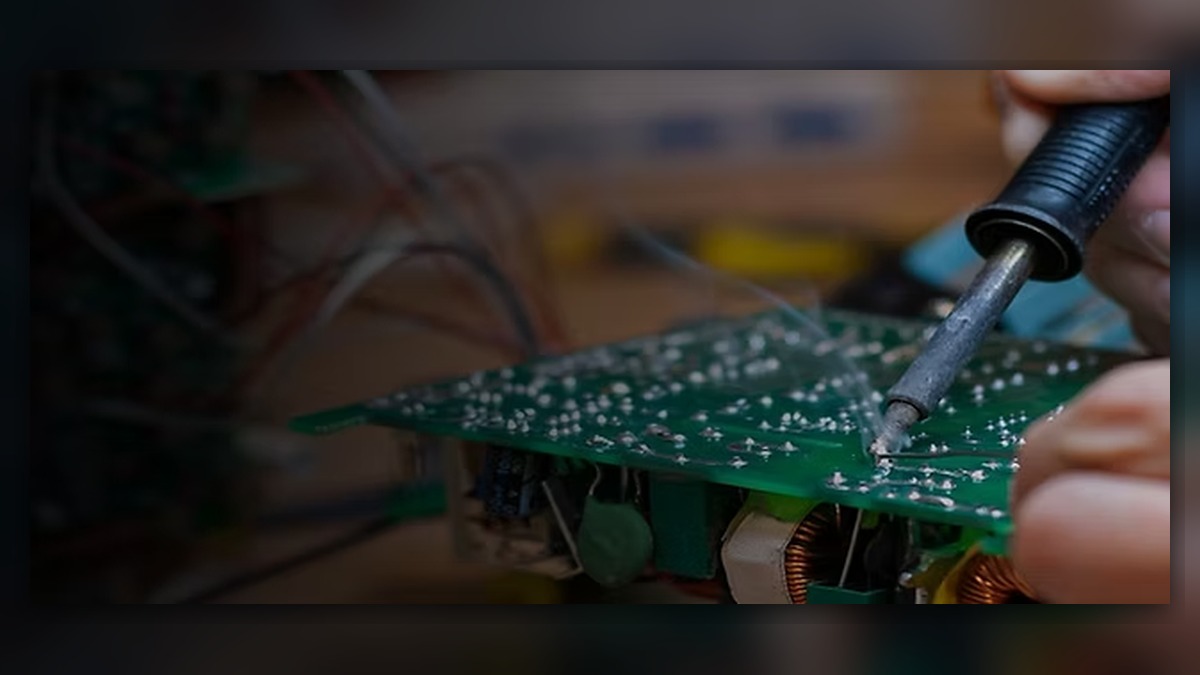
ABB robot maintenance should produce more than a completed checklist. A useful inspection record connects the robot model, controller, operating condition, observed symptom, alarm history, and follow-up decision. Early evidence can help distinguish a developing cable, drive, feedback-related, power, or mechanical issue from a temporary operating condition. The symptom alone does not prove that any component is damaged, so record the complete event before resetting, replacing parts, or changing operating conditions.
Symptoms and Scope
This guide applies to general ABB industrial robot systems and focuses on scheduled maintenance records that support troubleshooting and repair escalation. It is not a substitute for the maintenance manual for a specific ABB robot, controller, manipulator, or option package. Connector locations, inspection intervals, permissible measurements, and service procedures depend on the installed equipment and site safety requirements.
A scheduled record is especially useful when an alarm is intermittent, when an axis performance change is developing gradually, or when a maintenance activity may have affected a cable, connector, cabinet, or feedback-related component. A routine inspection cannot independently confirm failure of a servo motor, drive, cable, or controller board. Those conclusions require equipment-specific diagnosis and, where appropriate, professional testing.
Information to Record First
Before clearing an alarm or altering the system, record the following information:
Complete alarm code and full text
Date and exact time
Faulted axis
Robot position or posture
Program step or motion
Actual speed and load condition
Reset result
Time until recurrence
Related power, communication, or feedback alarms
Also identify the robot model, controller model, software or system version when available, and the labels of relevant motors, cables, drive units, or cabinet modules. Keep photographs of the controller identification label, visible connections, cable routing, and any contamination or physical damage. Do not expose energized equipment or remove covers unless the work is permitted by the site procedure and performed by suitably qualified personnel.
ABB Robot Maintenance Inspection Sequence
Start with the maintenance record and operating context. Compare the current event with previous alarms, recent production changes, tooling changes, collision events, cleaning activity, and service work. If the symptom has no repeatable relationship to a motion, posture, load, or operating state, retain the uncertainty and gather more history rather than assigning a component fault.
Inspect the external condition with the system placed in the safe state required by the applicable procedure. Check for loose or damaged external connections, abnormal cable routing, crushed conduit, contamination, heat damage, moisture, and evidence of impact. The inspection target is visible condition and connection security, not an assumed failed part. If damage is found, document its location and identify whether the affected item is a cable, connector, enclosure, motor, or another assembly before selecting a replacement.
Review the cabinet and manipulator service history. A fault that began after maintenance may require comparison of the work scope, component labels, connector seating, and configuration records. This timing is evidence for investigation, not proof that the last serviced component caused the fault. If no recent work corresponds with the symptom, continue with alarm-history and operating-condition comparison.
Separate possible fault categories. A power-related or controller-related event should be investigated through the applicable ABB documentation and site electrical procedure. A communication or feedback-related alarm may require review of the relevant cable path, connector condition, and system history. A mechanical symptom such as abnormal resistance, noise, or position change requires a controlled mechanical assessment. Do not use a general visual inspection to rule out internal damage, and do not expand a cable or feedback investigation into motor replacement without supporting evidence.
When observation under motion is relevant, it may be performed only by suitably competent personnel under controlled conditions and in accordance with the manufacturer operating information and site safety procedure. Do not repeatedly cycle the robot merely to reproduce an uncertain fault if doing so could increase equipment risk. Record the conditions of any authorized observation, including the axis, posture, program step, speed, load condition, and result.
When Repair or Replacement May Be Considered
Repair or replacement may be considered when the recorded alarm pattern, inspection evidence, equipment-specific testing, and component identification support that decision. Match any proposed spare to the exact robot and controller application, part number, hardware revision, and connector layout. A visually similar ABB component is not sufficient evidence of compatibility. A suspected servo motor, cable, drive, or feedback-related component should remain identified as a suspected cause until testing or a qualified repair assessment supports the conclusion.
ZHB is an independent industrial robot inspection, repair, and maintenance service provider that also supplies parts to overseas customers. For ABB repair support, its [ABB robot repair service](https://autonews.best/abb-robot-repair) can be relevant when scheduled inspection evidence indicates that professional evaluation is needed.
Verification After Repair or Replacement
Update the maintenance record with the work performed, removed component label, installed component identification, and any configuration or calibration action completed under the applicable ABB procedure. Confirm that the original alarm is absent, safety functions operate as required, and the robot performs an approved controlled check. Verify the affected axis, relevant program step, and operating condition without exceeding site limits. If the alarm returns, preserve the new event data and escalate it as an unresolved diagnostic case rather than repeatedly resetting the system.
Information Required for a Repair Inquiry
Provide the robot model, controller model, complete alarm code, alarm history, component label, fault conditions, and clear photographs of the equipment and visible connections. Include the inspection date, recent service work, affected axis, operating condition, and reset result when available. This information helps determine whether the next step should be inspection, component testing, repair, or replacement.
Sources and Update Information
Equipment-specific inspection limits and service procedures should be taken from the applicable ABB documentation for the installed robot and controller. This article is intended as a general evidence-recording and troubleshooting framework and was prepared without assigning a specific ABB alarm code or component failure.