
ABB Servo Motor Repair After Fluid Contamination
Learn how to assess an ABB robot servo motor after suspected oil, coolant, or water exposure without assuming that the motor has failed.
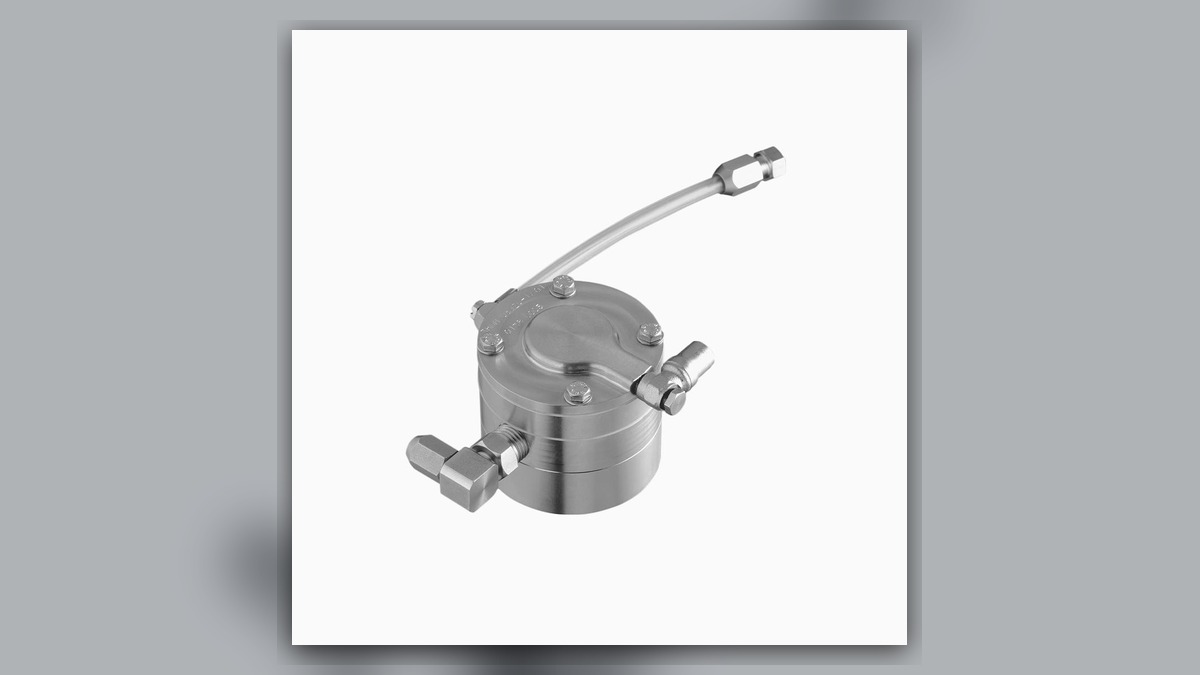
ABB servo motor repair after suspected fluid contamination should begin with evidence collection, not immediate disassembly or replacement. Oil, coolant, water, or cleaning fluid may affect the motor exterior, connectors, cable interfaces, brake, feedback-related components, or internal insulation. Before diagnosis, record the robot and controller models, motor identification, complete alarms, affected axis, exposure location, and operating conditions. Visible fluid near a motor does not independently prove internal damage; contamination may originate from another robot joint, process equipment, cabling, or site cleaning.
Symptoms and Scope
This diagnostic approach applies to ABB robot axis motors and compatible ABB-controlled external-axis motors with suspected fluid exposure. The exact construction, sealing arrangement, brake design, connector layout, and feedback system depend on the installed motor and robot configuration.
Relevant observations may include contamination around a motor housing, residue near a connector, an axis that no longer enables, intermittent feedback alarms, brake-related symptoms, unusual motor behavior, or repeat faults after cleaning. These signs can justify inspection, but none alone confirms that the windings, brake, bearings, or feedback-related components are defective.
This article does not cover a motor that has only overheated, a controller drive fault without evidence of contamination, or a mechanical joint leak repair. Fluid found on the motor must be traced before deciding which component requires service.
Information to Record First
Preserve the evidence before cleaning the area or resetting the controller repeatedly. Photograph the contamination pattern, motor label, connectors, cable routing, surrounding joint, and any nearby process equipment. Export or photograph the alarm history where site procedures permit.
Complete alarm code and full text:
Date and exact time:
Faulted axis:
Robot position/posture:
Program step or motion:
Actual speed and load condition:
Reset result:
Time until recurrence:
Related power, communication or feedback alarms:
Also record the suspected fluid type, where it was first observed, whether the robot was operating or stationary, and whether recent washing, machining, welding, dispensing, or maintenance work occurred. These details help distinguish external splash from leakage through a joint or cable route.
Safety and Preparation
Stop operation and isolate the robot according to the applicable ABB documentation and the factory’s lockout and safety procedures. Do not energize a visibly wet or contaminated connector merely to see whether the alarm returns. Do not open a motor, release a brake, perform insulation testing, or move a gravity-loaded axis unless the work is covered by an approved procedure and performed by competent personnel.
Support any axis that could move when power or brake control is removed. Cleaning agents must be compatible with the affected materials, and compressed air should not be used in a way that could force contamination deeper into connectors or seals.
ABB Servo Motor Repair Diagnostic Sequence
1. Confirm the contamination source. Inspect the motor exterior, adjacent joint, dress cables, connector orientation, process hoses, and equipment above the robot. If the fluid trail begins elsewhere, correct the external source before evaluating the motor. Missing information at this stage includes the fluid identity and the duration of exposure.
- Review alarms and chronology. Determine whether a power, feedback, brake, drive, or communication alarm occurred before the motor stopped. The earliest relevant event is generally more useful than later alarms caused by the shutdown. If no alarm was recorded, document the observed behavior without assigning a motor failure diagnosis.
- Inspect external interfaces. With energy isolated, look for residue, corrosion, damaged seals, loose connector hardware, cable jacket damage, or contamination around mating surfaces. Connector inspection and cleaning must follow the procedure for the exact motor and robot model. A contaminated cable-side connector can produce symptoms resembling an internal motor problem.
- Check the mechanical context. Determine whether the axis can be safely assessed for obstruction, abnormal resistance, leakage, or collision damage under the applicable service procedure. A gearbox, bearing, brake, or process obstruction may increase motor demand or prevent movement. Do not force the axis or release the brake as an informal test.
- Refer the motor for controlled testing when internal exposure is possible. Appropriate workshop evaluation may include external condition assessment and tests of the windings, insulation, brake, bearings, connectors, and feedback-related components. The methods and acceptance criteria must match the exact ABB motor design. Unsupported bench power application can damage the unit or create misleading results.
How to Distinguish Similar Causes
Contamination limited to the outside of the housing may require source correction and careful external cleaning rather than motor repair. Residue inside a connector shifts attention toward the connector, cable assembly, and motor interface. Fluid confirmed inside the motor requires professional evaluation because cleaning the exterior cannot establish the condition of internal insulation, bearings, brake surfaces, or feedback-related components.
An axis that will not enable is not proof of winding damage. The controller, drive system, safety chain, motor cable, brake circuit, mechanical transmission, and configuration may all influence that symptom. Likewise, a feedback alarm does not by itself identify whether the fault is in the motor, cabling, connector, controller interface, or stored calibration information.
When Repair or Replacement May Be Considered
Repair may be considered after testing identifies serviceable contamination damage and confirms that the motor can be restored and verified. Replacement may be more appropriate when damage is extensive, required parts are unavailable, the housing or connector interface is unsuitable for reliable restoration, or repair cannot meet the necessary verification criteria.
Any replacement must match the exact motor model, ABB part number, hardware revision, connector layout, mounting arrangement, brake specification, and feedback configuration. Calibration or axis-position data may require attention after motor work; follow the documentation for the installed robot and controller rather than assuming that a replacement is plug-and-play.
ZHB is an independent industrial robot inspection, repair, and maintenance service provider that also supplies parts to overseas customers. Broader ABB robot repair support is described at https://autonews.best/abb-robot-repair.
Verification After Repair or Replacement
Before restart, confirm that the contamination source has been corrected, connectors are properly secured, cables are correctly routed, guards are restored, and no tools or cleaning materials remain in the work area. Review calibration status and controller alarms before permitting motion.
Initial motion checks should be performed only by suitably competent personnel under controlled conditions and in accordance with ABB operating information and site safety procedures. Verify brake behavior, axis response, direction, repeatability, noise, and recurrence of relevant alarms without deliberately recreating a harmful contamination event. Production release should follow the factory’s functional and safety acceptance process.
Information Required for a Repair Inquiry
For an ABB servo motor repair inquiry, provide the robot model, controller model, complete alarm code and alarm history, affected axis, motor label, fault conditions, suspected fluid type, and clear photographs of the motor, connectors, cables, and contamination path. State whether the motor has been removed, cleaned, opened, tested, or previously repaired, because these actions can affect the inspection plan.
Conclusion
Suspected fluid exposure requires source tracing and configuration-specific inspection before condemning an ABB servo motor. Alarm chronology, contamination location, connector condition, cable condition, and mechanical context help separate an external problem from internal motor damage. Repair or replacement should follow controlled testing, exact part identification, source correction, and documented restart verification.