
ABB Servo Motor Repair After Repeated Axis Overheating
Learn how to document and diagnose repeated ABB robot axis overheating before deciding whether the servo motor requires professional repair.
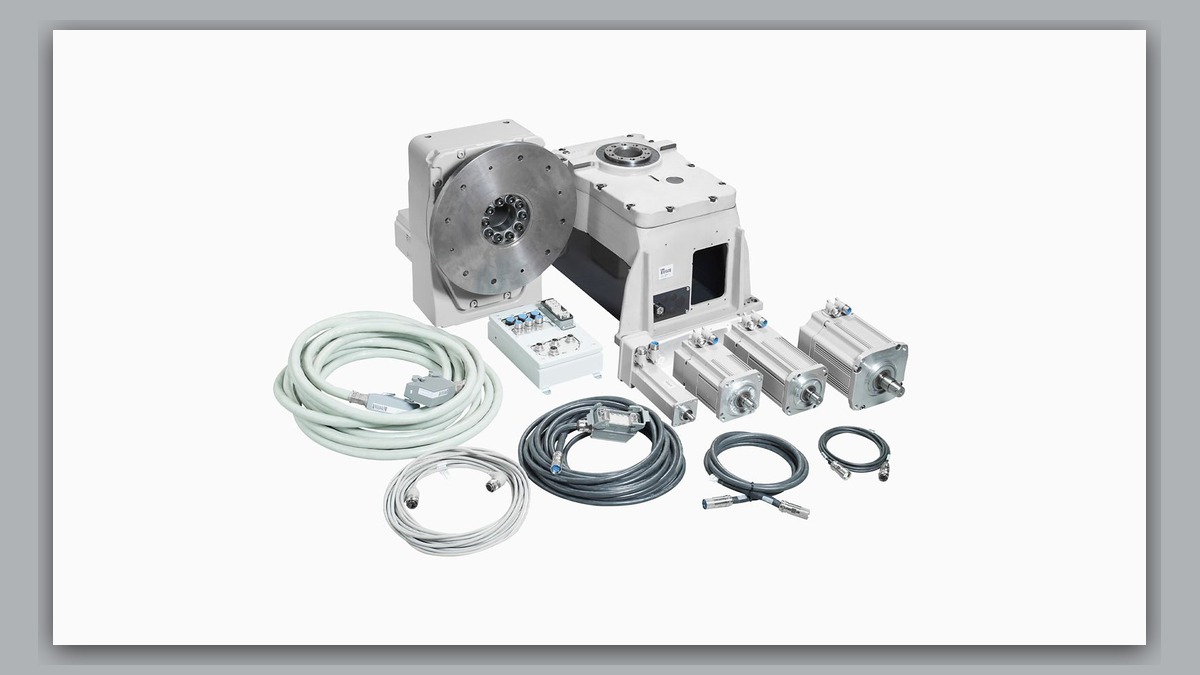
Repeated axis overheating does not automatically mean an ABB servo motor is damaged. The symptom may involve the motor, brake, power and feedback cables, cooling conditions, mechanical transmission, payload, motion cycle, or drive system. Before beginning ABB servo motor repair, record the complete alarm text, affected axis, robot posture, program step, speed, load, and recurrence pattern. This evidence is essential because an overheating indication alone cannot distinguish internal motor damage from excessive mechanical load or an operating-condition problem.
Symptoms and Scope
This diagnostic approach applies to ABB robot systems in which the same axis repeatedly reports overheating, becomes unusually warm, or stops after a temperature-related event. The exact alarm wording and monitoring method depend on the installed robot, controller, motor, and software configuration. Always use the documentation corresponding to the robot serial number and controller version.
The article does not establish alarm definitions for an unspecified ABB controller. It also does not apply automatically to cabinet overheating, drive-module temperature alarms, or general ambient-temperature warnings. Those conditions require separate identification before the motor is removed or sent for repair.
Information to Record First
Capture the fault without repeatedly running the robot merely to reproduce it. Alarm history and production records may show whether the event appears immediately, after sustained operation, in one posture, or during a particular acceleration or load condition.
Complete alarm code and full text:
Date and exact time:
Faulted axis:
Robot position/posture:
Program step or motion:
Actual speed and load condition:
Reset result:
Time until recurrence:
Related power, communication or feedback alarms:
Also record the robot model, controller model, motor part number, motor serial information, hardware revision where shown, and connector arrangement. Note recent collisions, payload changes, tooling changes, cable replacement, mechanical service, lubrication work, or program modifications. Missing configuration information can make an otherwise valid test result misleading.
Safety and Preparation
Stop production and place the robot in a condition permitted by the applicable ABB operating information and the factory lockout procedure. A robot axis may move because of gravity or stored mechanical energy when power, a brake, a motor, or a transmission component is disturbed. Motor removal, brake work, insulation assessment, and energized diagnosis should be performed only by suitably competent personnel using appropriate equipment and site-approved procedures.
Do not disconnect components solely to clear an alarm. Label connections before approved removal, protect exposed connectors from contamination, and preserve calibration and configuration records. Do not change safety settings, motor data, or control parameters as an overheating test.
ABB Servo Motor Repair Diagnostic Sequence
- Confirm what generated the indication. Review the complete alarm and its timing. Determine whether the controller identifies a motor-related temperature condition or whether personnel observed external heat without a corresponding alarm. If the message points to a drive, cabinet, or communication problem, follow that documented branch rather than assuming motor failure.
- Review operating conditions. Compare the event with the commanded motion, payload data, tooling, cycle pattern, and robot posture. An axis working against excessive load, binding, incorrect payload information, or an unsuitable motion profile may run hotter without having an internal electrical defect. Verify configuration against the actual application before changing anything.
- Inspect the external environment. With the equipment safely isolated, check for contamination, obstructed ventilation around relevant equipment, damaged motor or robot cables, loose or contaminated connectors, and visible signs of impact or liquid entry. Record findings with clear photographs. Visible damage can guide the next inspection but does not by itself identify every internal defect.
- Separate motor, cable, drive, and mechanical possibilities. Determine whether associated power or feedback alarms occurred before the temperature event. Inspect the relevant harness route and connectors according to the installed configuration. If the axis is unusually difficult to move, produces abnormal noise, or shows evidence of mechanical binding, the transmission and joint require evaluation before condemning the motor.
- Consider the brake only when the evidence supports it. A brake that does not release correctly may increase load, but external heating alone cannot prove brake failure. Brake inspection requires the correct motor information, controlled support of the axis, and the applicable manufacturer procedure.
- Refer the motor for controlled testing when field evidence continues to point toward it. Professional inspection may include identification checks and evaluation of the winding, insulation condition, brake, bearings, connectors, and feedback-related component as appropriate to the exact motor. Test methods and acceptance criteria must match the motor design; generic limits should not be applied without verified technical data.
How to Distinguish Similar Causes
A fault that follows one program segment may indicate a relationship with load, posture, acceleration, or mechanical resistance. A condition that appears after cable movement may justify closer examination of the harness and connectors. Noise, roughness, or changing resistance may direct attention toward bearings, the brake, joint mechanics, or the reducer. Earlier power or feedback alarms can shift the investigation toward cabling, the drive system, or a feedback-related component.
None of these observations independently proves that the servo motor needs rewinding or replacement. Diagnosis should combine the event history, external inspection, mechanical condition, controller information, and controlled component testing.
When Repair or Replacement May Be Considered
Repair may be considered after testing identifies a serviceable motor defect and confirms that the required parts and procedures are suitable for the exact unit. Replacement may be more appropriate when damage is outside a safe repair scope, critical parts cannot be matched, or repair cannot preserve the required configuration and mechanical integrity.
Any replacement must match the exact ABB motor model, part number, hardware revision, connector layout, mounting arrangement, and application requirements. Similar appearance is not evidence of compatibility. Calibration or position data may also require attention after motor or mechanical work, according to the applicable ABB procedure.
For broader ABB robot inspection options, see https://autonews.best/abb-robot-repair. ZHB is an independent industrial robot inspection, repair, and maintenance service provider that also supplies parts to overseas customers; it does not imply ABB manufacturer authorization.
Verification After Repair or Replacement
Before restart, confirm that connectors, cable routing, guards, mechanical fasteners, and serviced components have been restored correctly. Verify relevant configuration and calibration information rather than assuming it remained unchanged. Clear the work area and follow the approved restart procedure.
Initial motion and subsequent observation should be performed only by suitably competent personnel under controlled conditions and in accordance with manufacturer information and site safety rules. Check for recurring alarms, abnormal sound, unexpected motion, cable interference, and changes in axis behavior. Progressively returning to production is preferable to immediately repeating the exact operating condition that previously created risk.
Information Required for a Repair Inquiry
For an ABB servo motor repair inquiry, provide the robot model, controller model, complete alarm code and text, alarm history, motor label, fault conditions, and clear photographs of the motor and connectors. Include the affected axis, operating time before recurrence, robot posture, program motion, actual load condition, recent maintenance, and any related power, communication, or feedback alarms. This information helps determine whether motor testing, cable inspection, drive diagnosis, or mechanical evaluation should come first.
Conclusion
Repeated ABB axis overheating requires evidence-based separation of operating load, mechanical resistance, cabling, drive behavior, brake condition, and internal motor faults. Record the complete event before resetting it, verify the exact equipment configuration, and avoid replacing the motor from temperature symptoms alone. ABB servo motor repair should be considered only after controlled diagnosis indicates that the motor is the appropriate component to inspect.