
What are the effects of excessively high temperature in an industrial robot control cabinet? Inspection and improvement methods for heat dissipation.
Excessively high control cabinet temperature will shorten the lifespan of the power supply, servo drives, main unit, fans, and capacitors, and may trigger overtemperature alarms, communication abnormalities, and intermittent shutdowns.
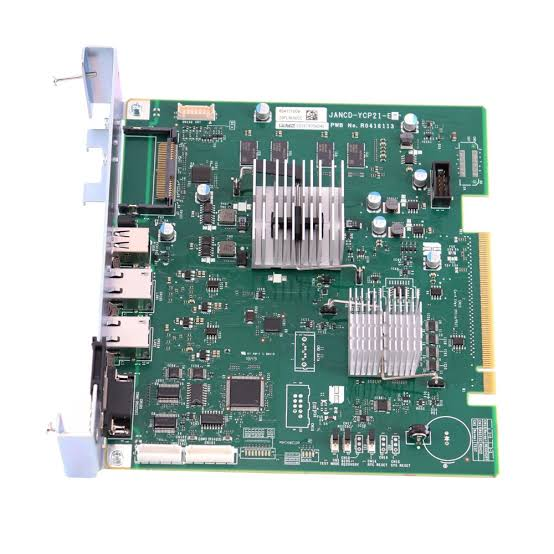
When robots operate for extended periods in high-temperature, dusty, or oily mist environments, clogged filters and degraded fan performance can cause the internal cabinet temperature to gradually rise. Some faults only appear after several hours of continuous production, making them easily misdiagnosed as board damage.
- Key Inspection Points
- Check if the control cabinet air intake, filter pads, exhaust vents, and the area around the cabinet are obstructed.
- Verify the rotation direction, speed, abnormal noise, and airflow volume of all fans; do not just observe if they are spinning.
- Measure the ambient temperature, temperatures at different locations inside the cabinet, and the temperature rise of the drives and power modules.
- Review the alarm log to see if alarms are concentrated during periods of high load, high temperature, or after continuous operation.
- Implementation Steps
- Clean or replace the filter pads, and remove accumulated dust from the heat sinks and air ducts.
- Replace fans with reduced speed or bearing noise, and verify their voltage, dimensions, connectors, and airflow direction.
- Improve ventilation around the control cabinet; if necessary, check the capacity of the air conditioner or heat exchanger.
- After treatment, conduct a continuous load test, recording the temperature change from a cold start to a thermally stable state.
- Common Misconceptions
- Running with the control cabinet door open for long periods, allowing dust and oil mist to directly enter the modules.
- Only cleaning the external filter screen without inspecting internal heat sinks and hidden fans.
- Immediately replacing the drive after an overtemperature alarm occurs, without addressing environmental and air duct issues.
- Summary
Excessively high control cabinet temperature will shorten the lifespan of the power supply, servo drives, main unit, fans, and capacitors, and may trigger overtemperature alarms, communication abnormalities, and intermittent shutdowns.
Industrial Robot Repair Hotline: +86 18122009539
Contact Repair Engineer: +86 18122009539