
What is the reason for a robot alarming only in specific postures? Inspection of body cables and connectors
When a robot only exhibits encoder, communication, or motor alarms in specific postures, focus should be placed on inspecting the body's moving cables, bending positions, fixing clips, and connectors.
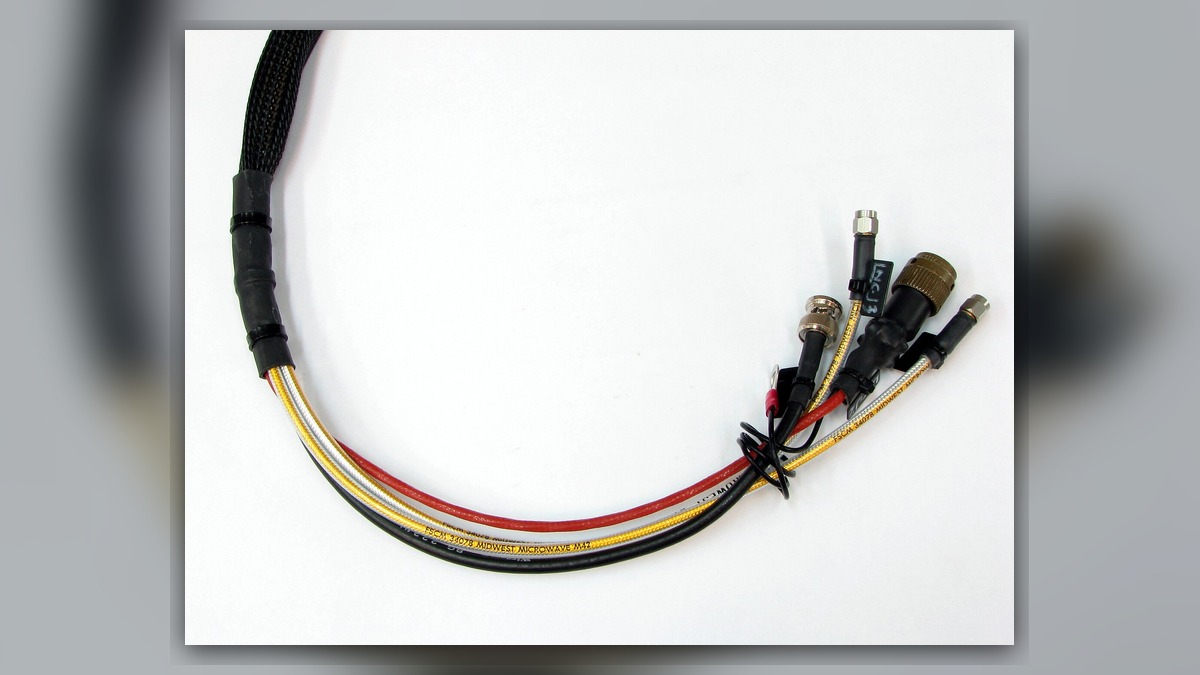
A robot operates normally in most positions but exhibits encoder, communication, or motor alarms during wrist rotation, arm extension, or at a specific fixed angle. Such faults are typically related to changes in stress on the moving wire harness. Temporary recovery after resetting does not rule out internal wire breakage within the cable.
- Record the specific posture
Save the alarm code, associated axis, program position, and each axis angle. Confirm whether the fault occurs upon entering a posture, leaving that posture, or at the moment of direction change. Compare performance under no-load vs. load conditions and low speed vs. normal speed.
- Inspect the moving wire harness
Check the protective sleeve, fixing clips, bending radius, and tensioned positions of the body cables and external piping package. Focus on inspecting areas near joints that undergo repeated bending, as well as positions where the wire harness is squeezed by the housing, tool, or piping.
- Inspect the connectors
After powering off, check the plug locking, pins, sealing, shielding, and grounding as required. Contamination, looseness, or pin retraction may cause intermittent contact as the posture changes, but do not judge this by repeatedly shaking a powered plug.
- Replacement and verification
When replacing cables, maintain the specified routing, slack, and bending radius, and restore all fixing components. Verification should cover the original fault posture, full travel range, different speeds, rated load, and continuous cycling.
For alarms in specific postures, treat the posture as a key diagnostic condition. Locate issues with moving cables and connectors by repeating the motion, and check the complete motion range after replacement.
Industrial robot repair hotline: +86 18122009539
Contact repair engineer: +86 18122009539