Robot Information · 2026-09-17
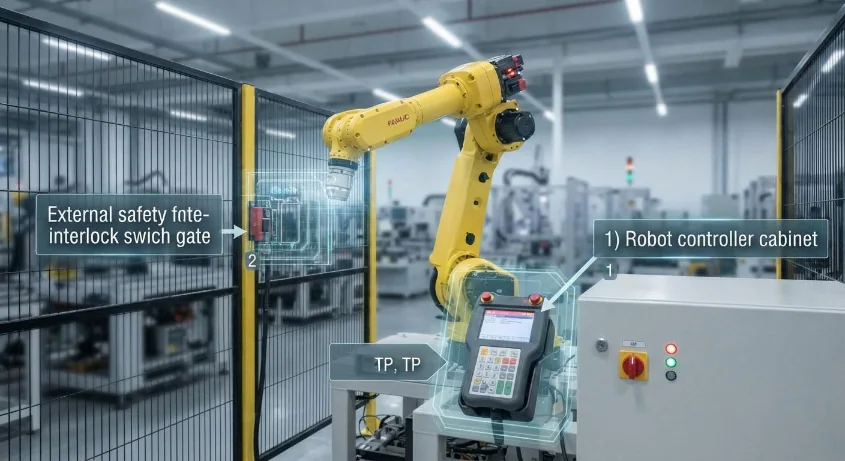
Robots from ABB, FANUC, KUKA, YASKAWA, etc., are shifting from periodic maintenance to condition monitoring. Factories can establish a health baseline through current, temperature rise, vibration, alarm records, and cycle time changes to identify mechanical wear, electrical aging, and cable hazards in advance.
Read article →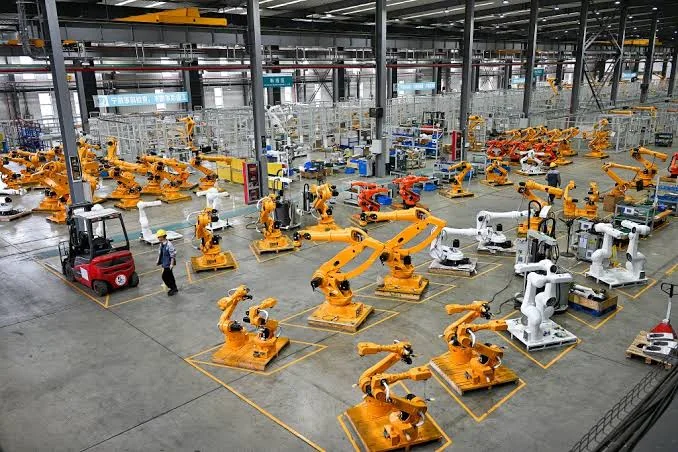
Robot Information · 2026-09-17
Industrial robots should not directly resume automatic production after experiencing long holidays, production line modifications, or long-term storage. This article, covering ABB, FANUC, KUKA, YASKAWA, and general industrial robots, explains the inspection methods for mechanical, electrical, data, safety circuits, and low-speed trial runs before restarting production.
Read article →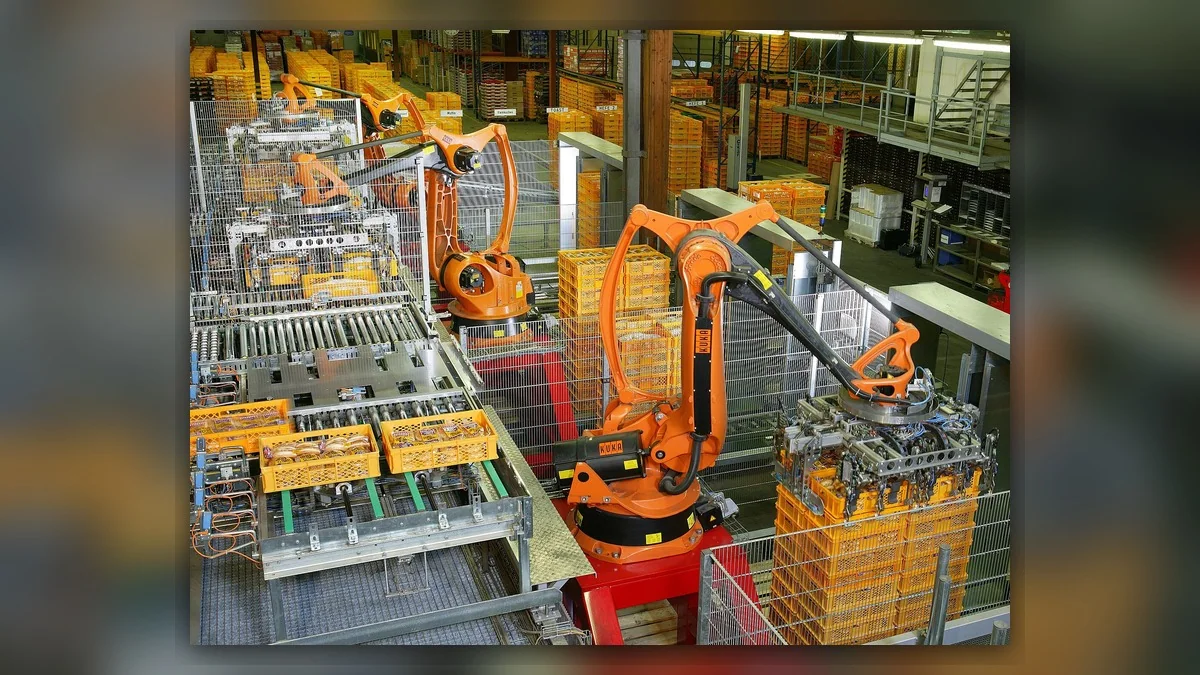
Robot Information · 2026-09-17
When industrial robots from brands like ABB, FANUC, KUKA, and YASKAWA experience slower cycle times without obvious alarms, it is often related to waiting for signals, trajectory settings, mechanical resistance, load data, or the status of the control cabinet. Using benchmark programs and trend records can help avoid blindly increasing speed to mask faults.
Read article →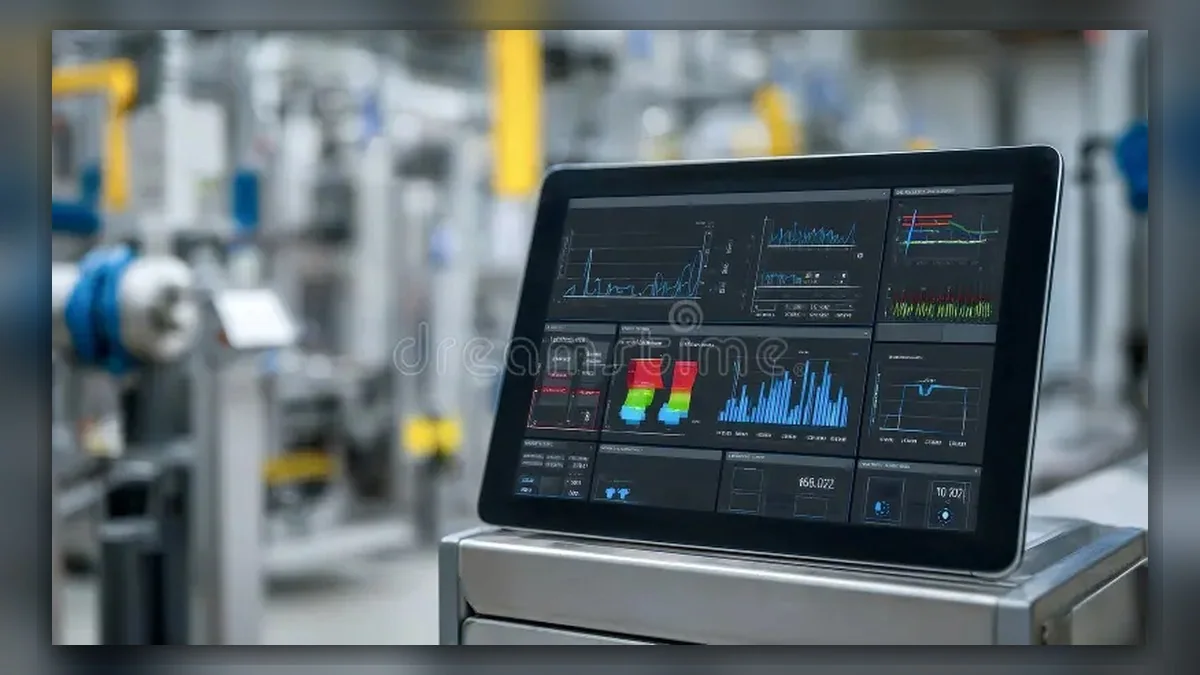
Robot Information · 2026-09-17
Establishing a unified maintenance archive for multi-brand robots such as ABB, FANUC, KUKA, and YASKAWA can help engineers identify recurring faults, track component lifespan, and improve troubleshooting efficiency.
Read article →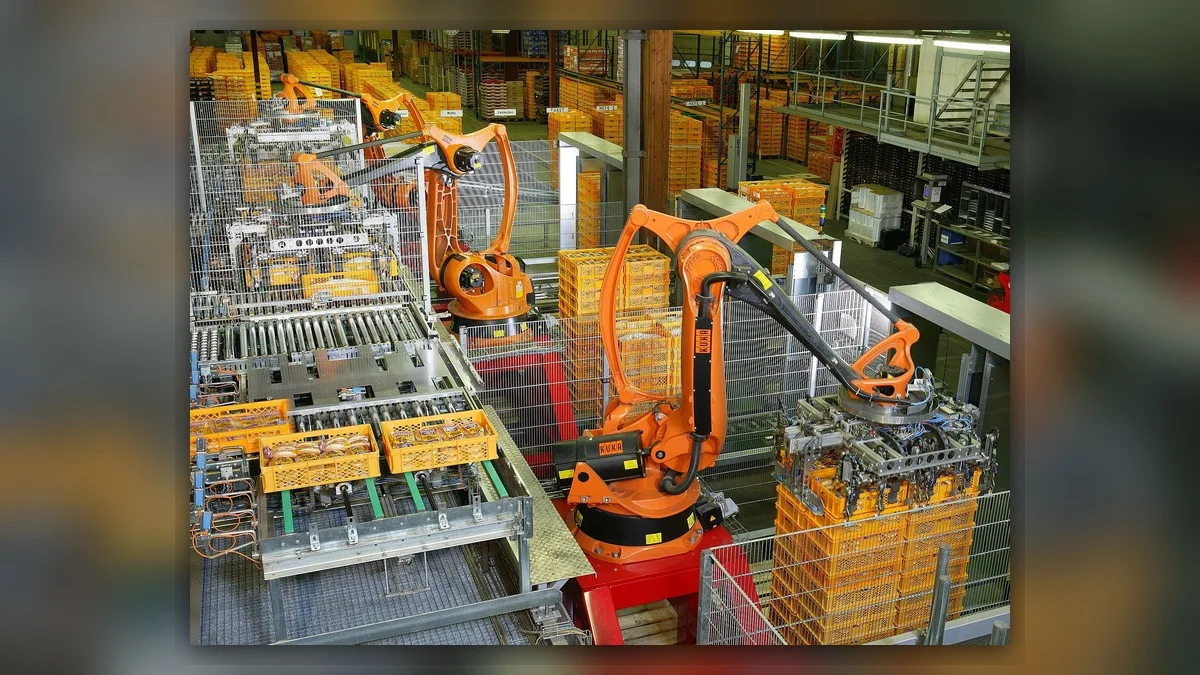
Robot Information · 2026-09-17
High humidity environments can lead to condensation in control cabinets, connector oxidation, insulation degradation, and communication fluctuations. This article provides a tiered inspection and prevention method applicable to ABB, FANUC, KUKA, YASKAWA, and general industrial robots.
Read article →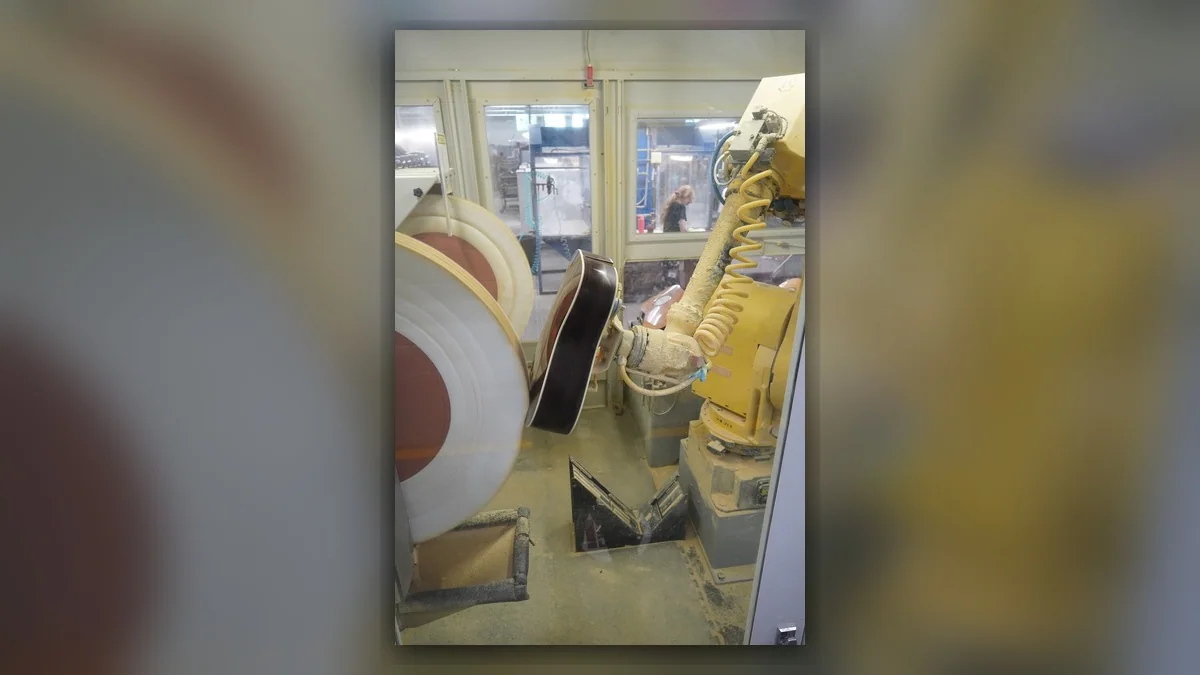
Robot Information · 2026-09-17
Industrial robot maintenance is gradually introducing joint analysis of current, vibration, temperature rise, and alarm logs. By comparing against baselines, it aims to identify mechanical resistance, cable abnormalities, and cooling degradation in advance, reducing unjustified part replacements and unexpected downtime.
Read article →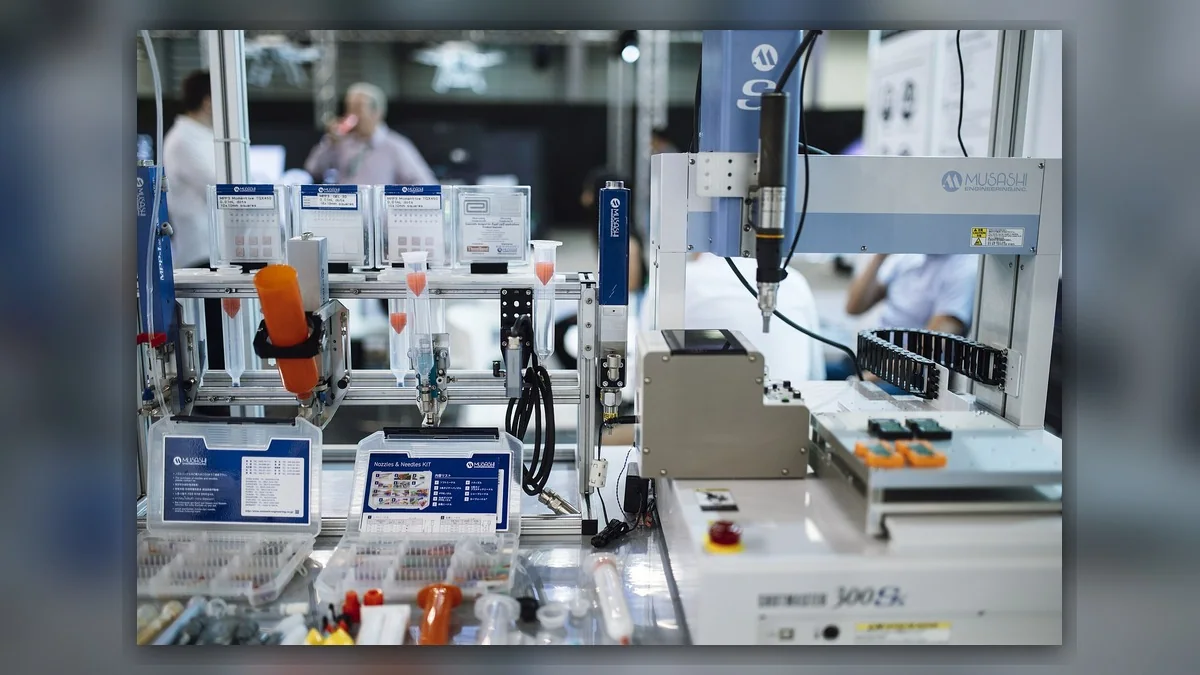
Robot Information · 2026-09-17
Restoring robot operation after an alarm reset often masks issues like poor cable contact, degraded heat dissipation, increased mechanical resistance, or abnormal feedback signals. This article introduces methods for recording recurring faults, conducting tiered troubleshooting, and establishing a repair closure process for ABB, FANUC, KUKA, YASKAWA, and general industrial robots.
Read article →
Robot Information · 2026-09-17
Faced with production lines containing multiple brands of robots such as ABB, FANUC, KUKA, and YASKAWA, the procurement of repair services is shifting from single-instance price comparison to a comprehensive evaluation of response, diagnostics, spare parts, data security, and acceptance capabilities.
Read article →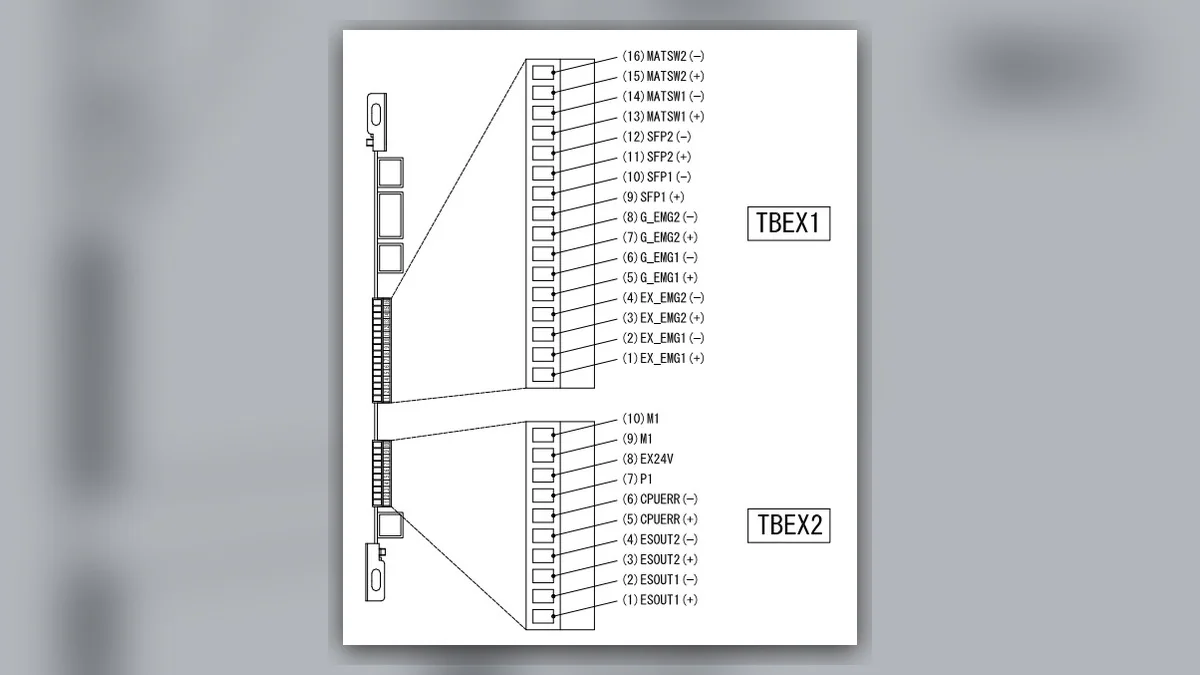
Robot Information · 2026-09-17
For ABB, FANUC, KUKA, YASKAWA, and general industrial robots, this introduces an evidence chain diagnostic method from alarm logs and fault reproduction to cross-testing and repair acceptance, helping factories reduce downtime and cost waste caused by mistakenly replacing drives, motors, encoders, and control boards.
Read article →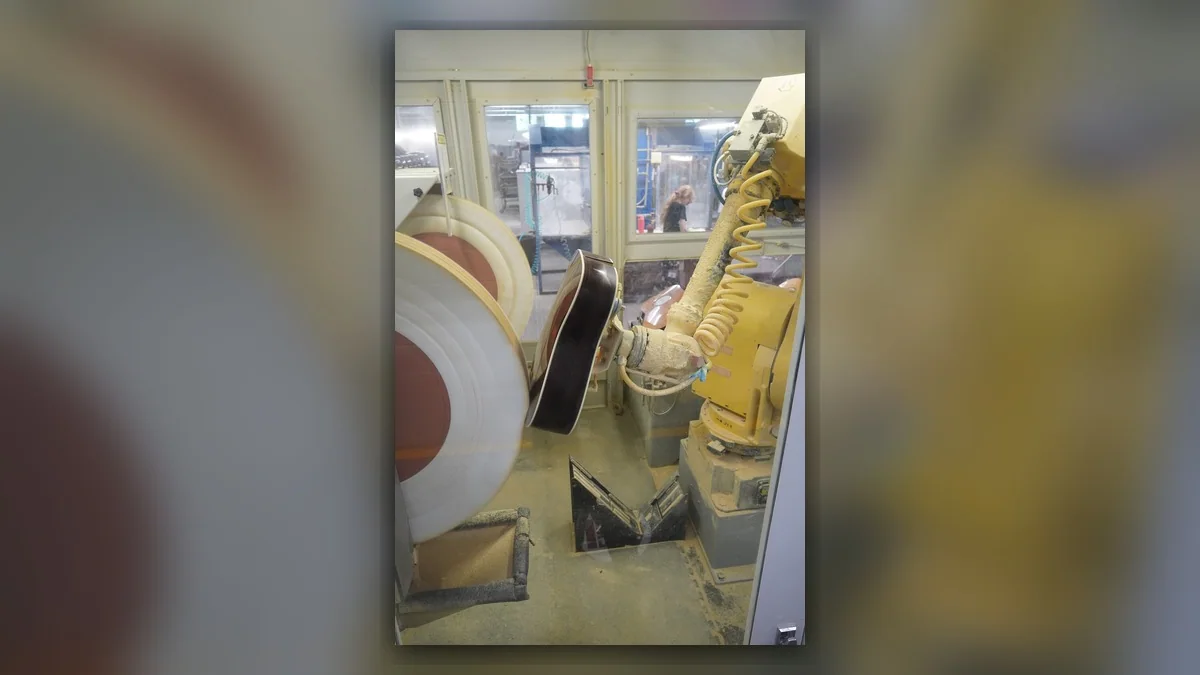
Robot Information · 2026-09-17
For ABB, FANUC, KUKA, YASKAWA, and general industrial robots, this article introduces methods for failure triage after downtime, on-site inspection, repair decision-making, and restart acceptance, helping factories shorten diagnosis time and reduce the risk of recurring failures.
Read article →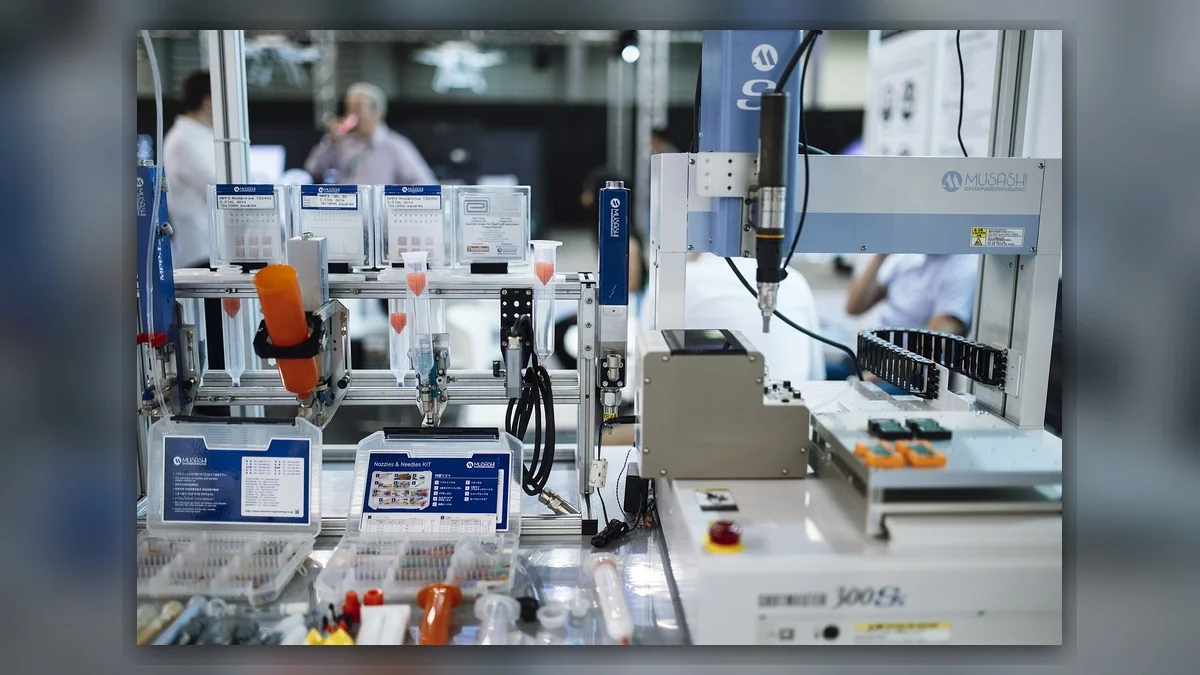
Robot Information · 2026-09-17
Facing the growth in the installed base of robots from ABB, FANUC, KUKA, YASKAWA, and others, manufacturing enterprises are shifting their maintenance strategies from single-fault handling to full lifecycle management that combines condition monitoring, layered diagnostics, spare parts management, and repair acceptance.
Read article →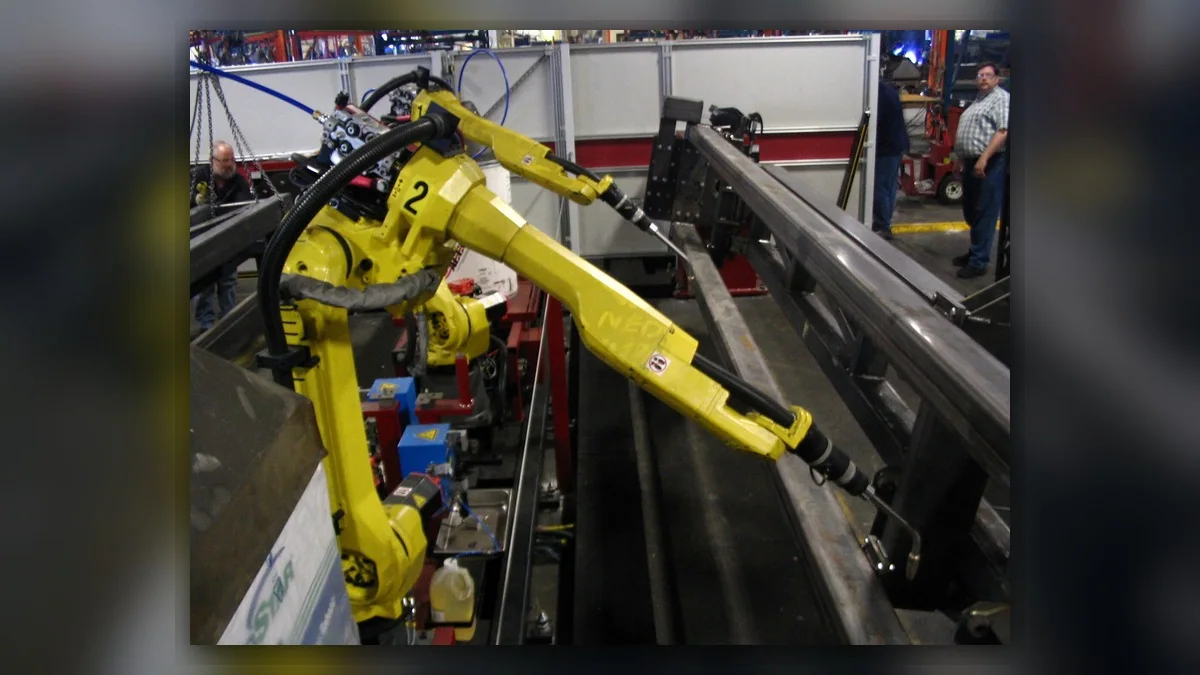
Robot Information · 2026-09-16
Oil leakage from robot joints does not necessarily indicate reducer damage. It should be comprehensively assessed by combining the leak point, lubrication state, operating temperature, abnormal noise, and backlash, and sealing repairs and operational verification should be completed according to manufacturer requirements.
Read article →