
ABB 3HAC024386-001 Body Cable Specific Posture Alarm Repair
When the ABB 3HAC024386-001 body cable experiences broken cores, wear, or poor connector contact, it often manifests as robot-specific posture alarms and intermittent signal interruptions.
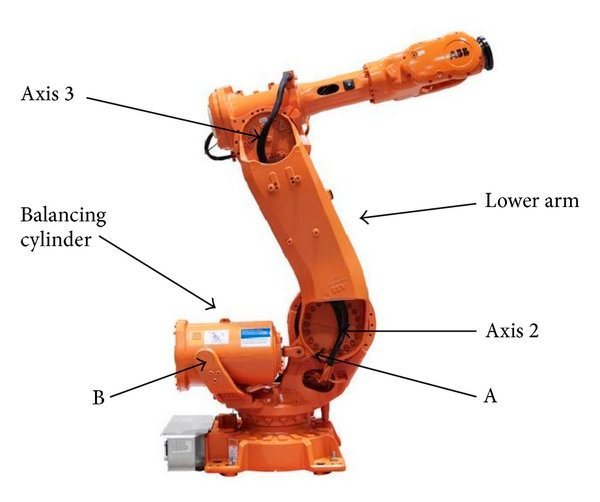
The 3HAC024386-001 is used for internal connections within the ABB robot body. After the wiring harness undergoes long-term repeated bending with joint movement, internal core breakage may occur even without obvious external damage.
The key to on-site diagnosis is first determining the fault scope, then deciding on the repair target. During inspection, record alarms, axis numbers, robot posture, and recurrence conditions. Avoid replacing components based solely on a single alarm.
- Common Fault Manifestations
- Alarm occurs when the robot moves to a fixed angle or posture.
- Alarm temporarily disappears after changing posture.
- Intermittent loss of tool end, wrist, or feedback signals.
- Wiring harness sheath wear, cracking, compression, or loose connectors.
- Possible Causes
- Fatigue fracture of internal wires in the active bending area.
- Incorrect wiring harness routing or insufficient movement allowance.
- Detachment of fixing clips causing cable stretching and friction.
- Connector pin oxidation, pin retraction, or oil ingress.
- Wiring harness not installed according to the original path after repair.
- On-site Troubleshooting Sequence
- Record alarm code, faulty axis, and robot posture.
- Repeat the faulty motion at low speed, observing the stress points on the wiring harness.
- Inspect the internal body wiring harness, fixing clips, and connectors.
- Check continuity and insulation of suspicious circuits according to the drawings.
- After confirming damage, replace the 3HAC024386-001 following the original path.
- Verification Before Replacing Parts
Verify the robot's complete model, production version, original harness label, length, connector, and pin count. Photograph the wiring path before disassembly.
Similar appearance does not mean direct replacement is possible. Before procurement, provide the equipment's complete model, original part nameplate, interface photos, controller model, and alarm information.
- Post-Repair Verification
After replacement, cover the robot's full range of motion, focusing on testing the original faulty posture. Verify tool signals, axis movements, TCP, and automatic programs.
After repair completion, also save test results, replaced part numbers, and final parameters to facilitate tracking by subsequent maintenance personnel.
- Summary
When handling such faults, troubleshoot in the order of alarm records, power supply and connections, feedback circuits, mechanical load, and the component itself. Only after confirming external conditions are normal should you further judge whether the target component needs repair or replacement.
Industrial Robot Repair Hotline: +86 18122009539
Contact Repair Engineer: +86 18122009539