
Troubleshooting Overheating, Abnormal Noise, and Brake Faults in Yaskawa SGMGH-20ACA61 Servo Motor
When the Yaskawa SGMGH-20ACA61 servo motor experiences overheating, abnormal bearing noise, brake not releasing, or abnormal position feedback, both the drive parameters and mechanical load should be checked simultaneously.
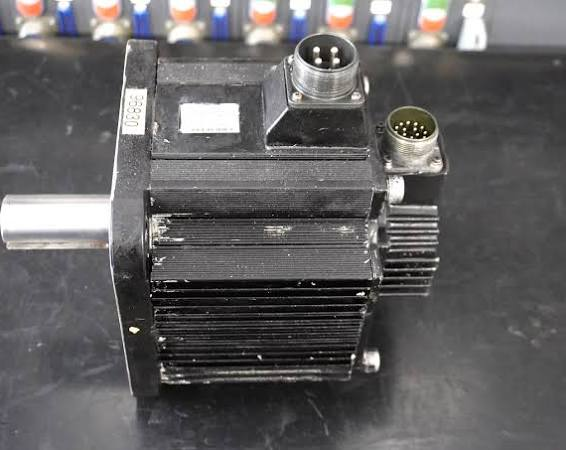
SGMGH-20ACA61 servo motors are used for industrial automation motion axes. Motor faults are typically related to bearings, windings, brakes, encoders, load, and the matching drive.
The key to on-site diagnosis is first determining the fault scope, then deciding on the repair target. During inspection, record alarms, axis numbers, robot posture, and recurrence conditions to avoid replacing components based solely on a single alarm.
- Common Fault Manifestations
- Motor temperature is significantly higher than normal under the same load.
- Grinding noise, humming, or periodic vibration occurs during operation.
- Motor does not rotate after enabling, and the brake does not release normally.
- Abnormal position feedback, operational jitter, or decreased positioning accuracy.
- Possible Causes
- Excessive mechanical load or eccentric coupling installation.
- Bearing wear, rotor abnormality, or decreased winding insulation.
- Brake coil, rectifier circuit, or power supply abnormality.
- Encoder and feedback cable faults.
- Drive parameters not matching the motor.
- On-site Troubleshooting Sequence
- Compare motor current, temperature, and noise under no-load and loaded conditions.
- Check if the brake releases normally and if the mechanical axis moves smoothly.
- Check winding and insulation status according to the manual.
- Inspect the encoder, power cable, feedback cable, and coupling.
- Confirm mechanical and electrical connections are normal before repairing or replacing the motor.
- Verification Before Replacing Components
Verify the complete model number, rated specifications, shaft end structure, brake, encoder, mounting flange, and matching drive.
Similar appearance does not mean direct interchangeability. Before procurement, provide the complete equipment model number, original component nameplate, interface photos, controller model, and alarm information.
- Post-Repair Commissioning Verification
After installation, confirm motor direction, brake, encoder feedback, and parameters, then complete low-speed, positioning, acceleration/deceleration, and rated load tests.
After repair is complete, also save test results, replaced component part numbers, and final parameters to facilitate tracking by subsequent maintenance personnel.
- Summary
When handling such faults, troubleshoot in the order of alarm records, power supply and connections, feedback lines, mechanical load, and the component itself. Only after external conditions are confirmed normal can further judgment be made on whether the target component needs repair or replacement.
Industrial Robot Repair Hotline: +86 18122009539
Contact Repair Engineer: +86 18122009539