
What items need to be checked after a robot collision while still operational?
Even if the robot can be reset and operated after a collision, the tool, body, zero point, reducer, brake, cables, base, and safety functions should be inspected to prevent hidden damage from escalating.
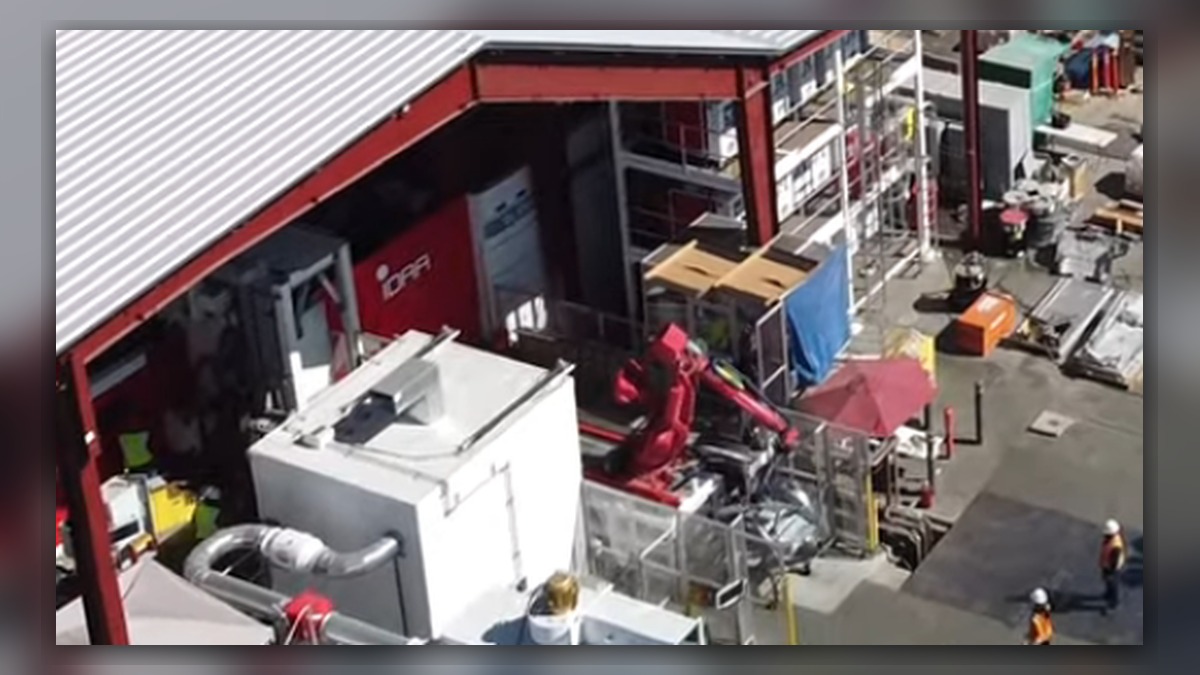
After incidents such as tool impact, workpiece jamming, or body interference, sometimes clearing the alarm allows the robot to run again. However, the collision may have caused tool offset, zero point changes, cable damage, or mechanical transmission backlash. Resuming high-speed production without inspection may lead to accuracy degradation and secondary collisions.
- Preserve Collision Information
Record the alarm, program line, robot posture, speed, load, and collision direction. Check the workpiece, fixture, and site for obvious deformation. Do not force the robot to move before confirming the interference is resolved.
- Check the Tool and External Structure
Check the tightening status of the tool flange, welding torch, gripper, fixture, base, and anchor bolts. Verify the TCP, tool coordinates, and workpiece coordinates against fixed reference points to determine if the deviation originates from the tool or the robot body.
- Check Each Axis and Cables
Operate each axis at low speed, observing for abnormal noise, vibration, temperature rise, braking, and mechanical backlash. Check whether reducers, bearings, body covers, moving cables, and external cable packages have been crushed, pulled, or worn.
- Verification Before Resuming Production
After confirming the zero point and trajectory, first run at low speed with no load, then gradually restore load and speed. Test repeat positioning, full stroke, safety zones, and peripheral interlocks, and perform quality confirmation on the first batch of products.
The goal of post-collision inspection is to detect accuracy, mechanical, and cable damage hidden beneath the appearance of normal operation. Only after verification is complete should normal production conditions be gradually restored.
Industrial Robot Repair Hotline: +86 18122009539
Contact Repair Engineer: +86 18122009539