Robot Information · 2026-09-16
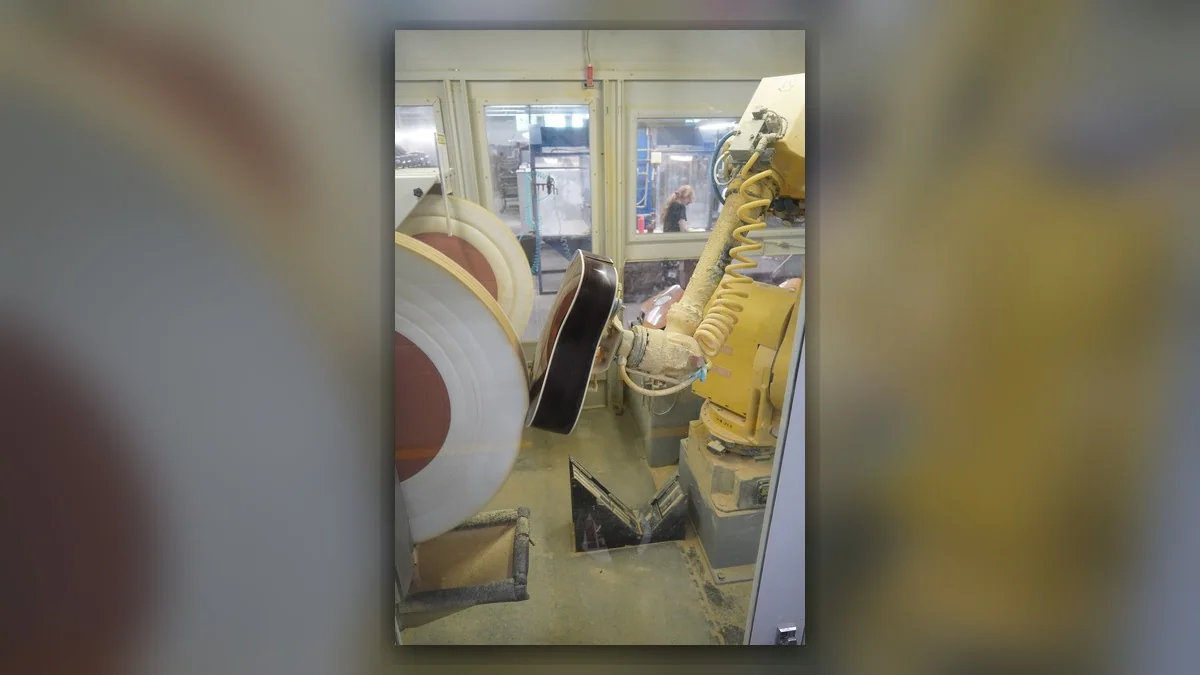
Addressing occasional stoppages, restarts with recovery, and irregular alarms in industrial robots, this article introduces methods for documenting alarm logs, operating status, and external signals to help maintenance personnel narrow down the fault scope.
Read article →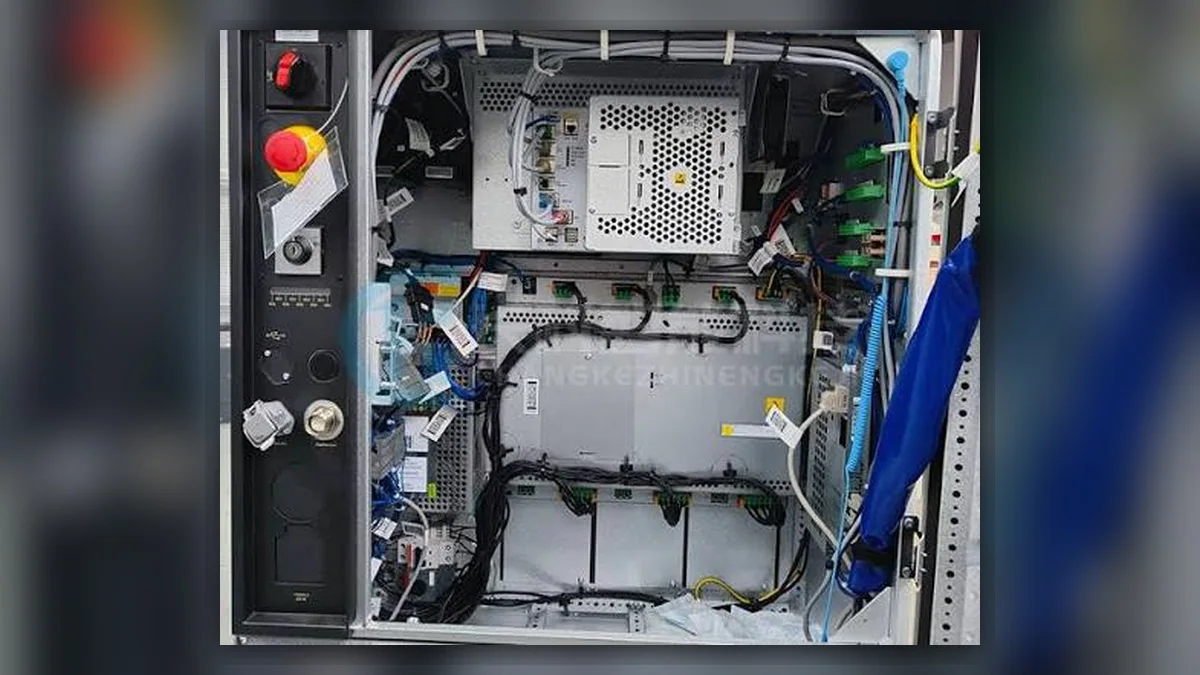
Robot Information · 2026-09-16
When a robot operates normally in manual mode but cannot enter automatic mode, it is usually related to the safety circuit, mode selection, external interlock, or communication status. This article provides a layered troubleshooting process applicable to ABB, FANUC, KUKA, YASKAWA, and general-purpose robots.
Read article →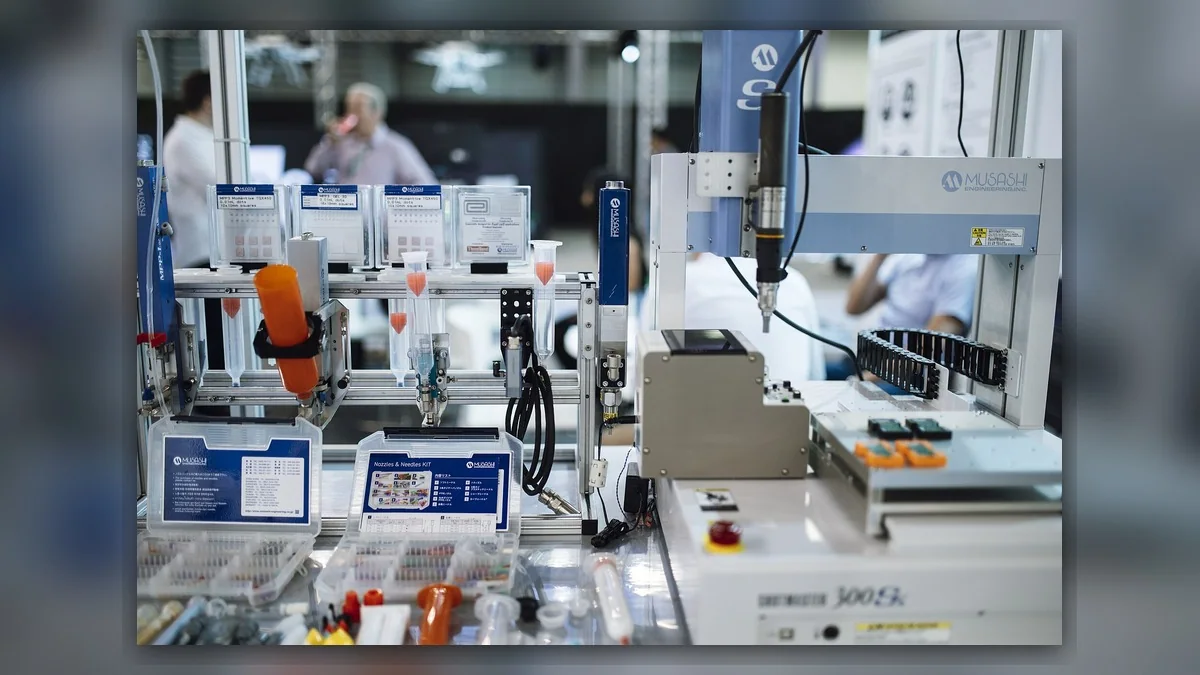
Robot Information · 2026-09-16
When jitter occurs during robot low-speed crawling, trajectory corners, or specific axis movement, it should not be directly attributed to motor or reducer damage. It is necessary to combine alarm records, occurrence posture, and single-axis tests to sequentially check mechanical load, transmission components, encoder feedback, and servo control status.
Read article →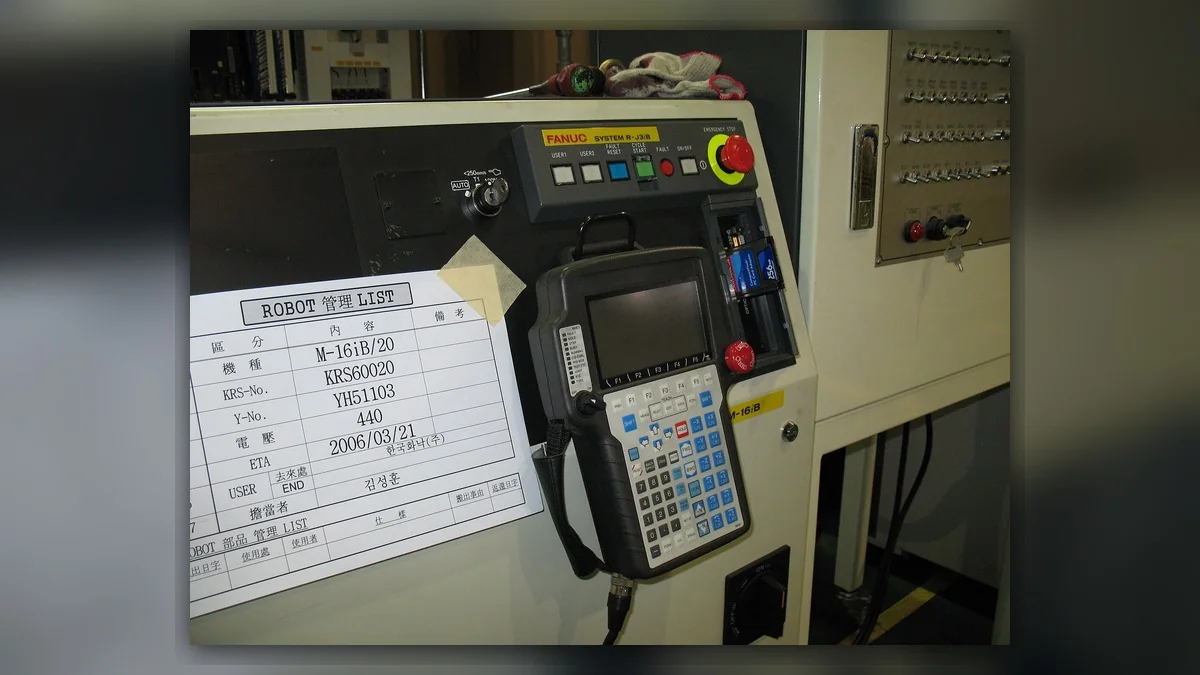
Robot Information · 2026-09-16
Acceptance of a refurbished robot controller should involve checking model version, maintenance records, interface and insulation status, and completing startup, communication, I/O, drive, safety, and load testing.
Read article →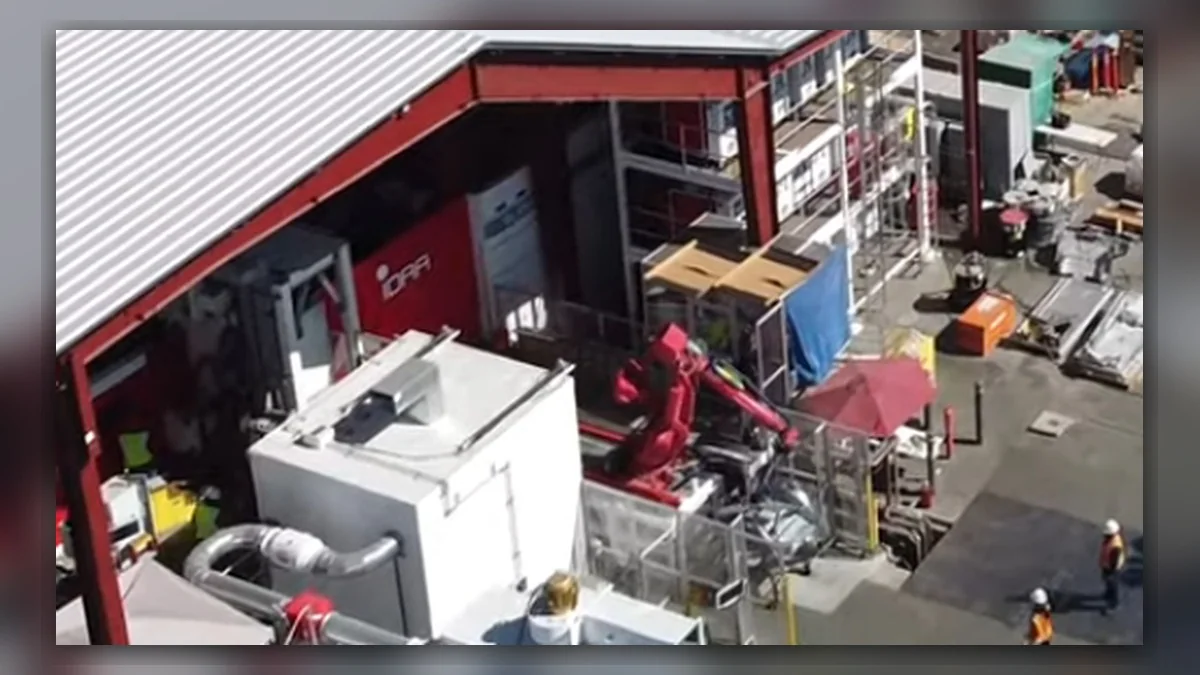
Robot Information · 2026-09-16
Even if the robot can be reset and operated after a collision, the tool, body, zero point, reducer, brake, cables, base, and safety functions should be inspected to prevent hidden damage from escalating.
Read article →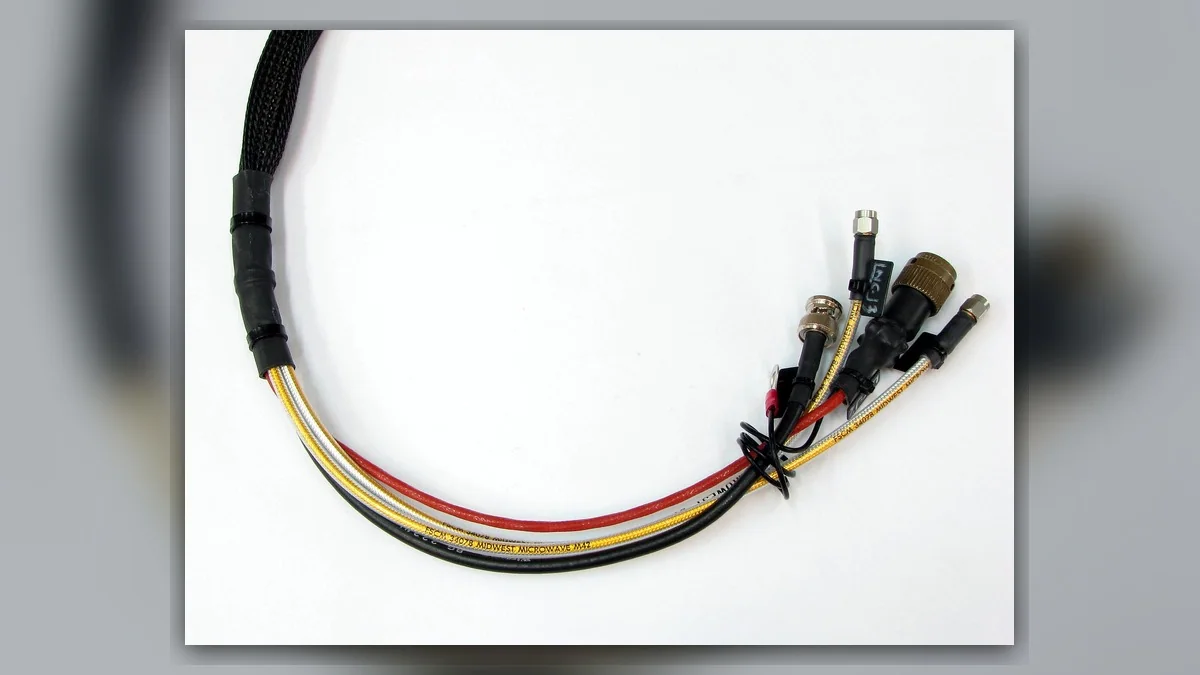
Robot Information · 2026-09-16
When a robot only exhibits encoder, communication, or motor alarms in specific postures, focus should be placed on inspecting the body's moving cables, bending positions, fixing clips, and connectors.
Read article →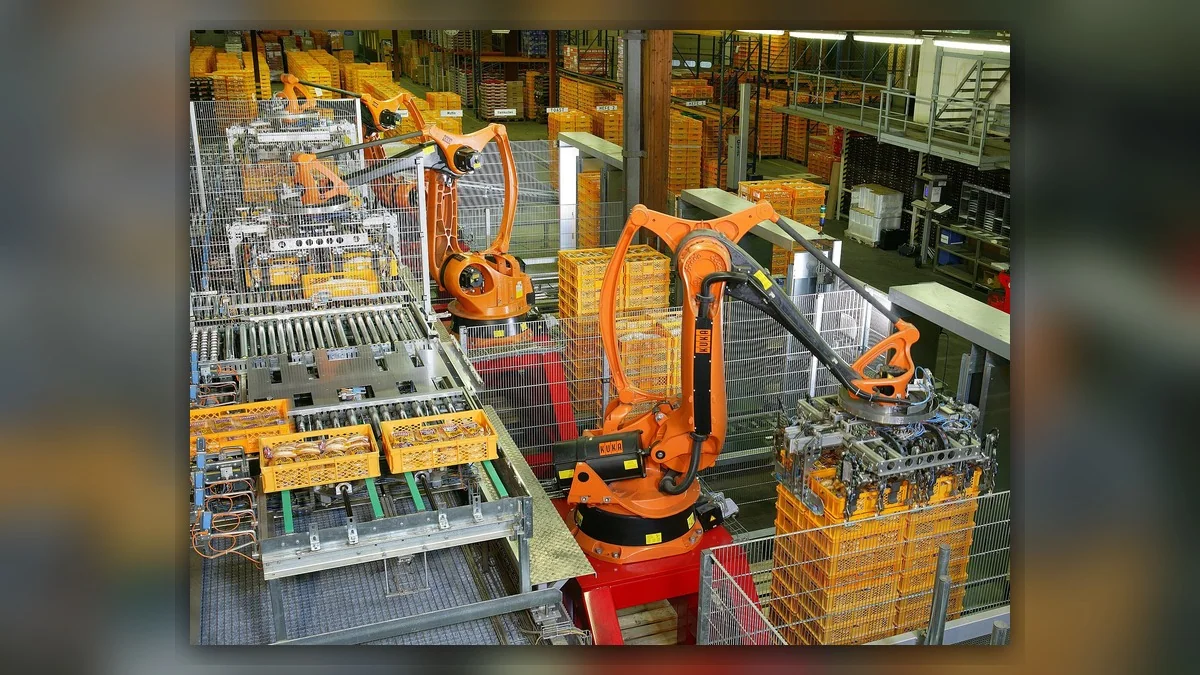
Robot Information · 2026-09-16
Preventive maintenance for industrial automation equipment should establish mechanisms for equipment classification, operational data collection, regular inspections, spare parts planning, and repair acceptance to reduce unplanned downtime.
Read article →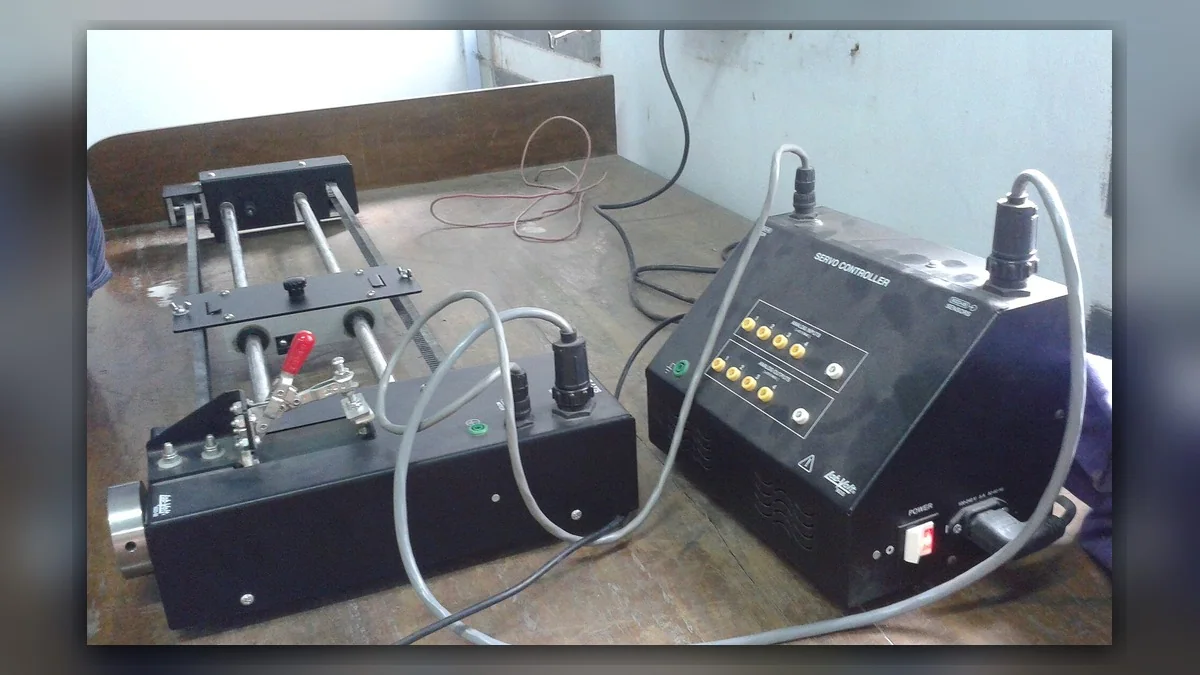
Robot Information · 2026-09-16
A robot servo drive alarm does not necessarily indicate a faulty drive module; it could also originate from the servo motor, encoder, cable, brake, mechanical binding, or power supply abnormality.
Read article →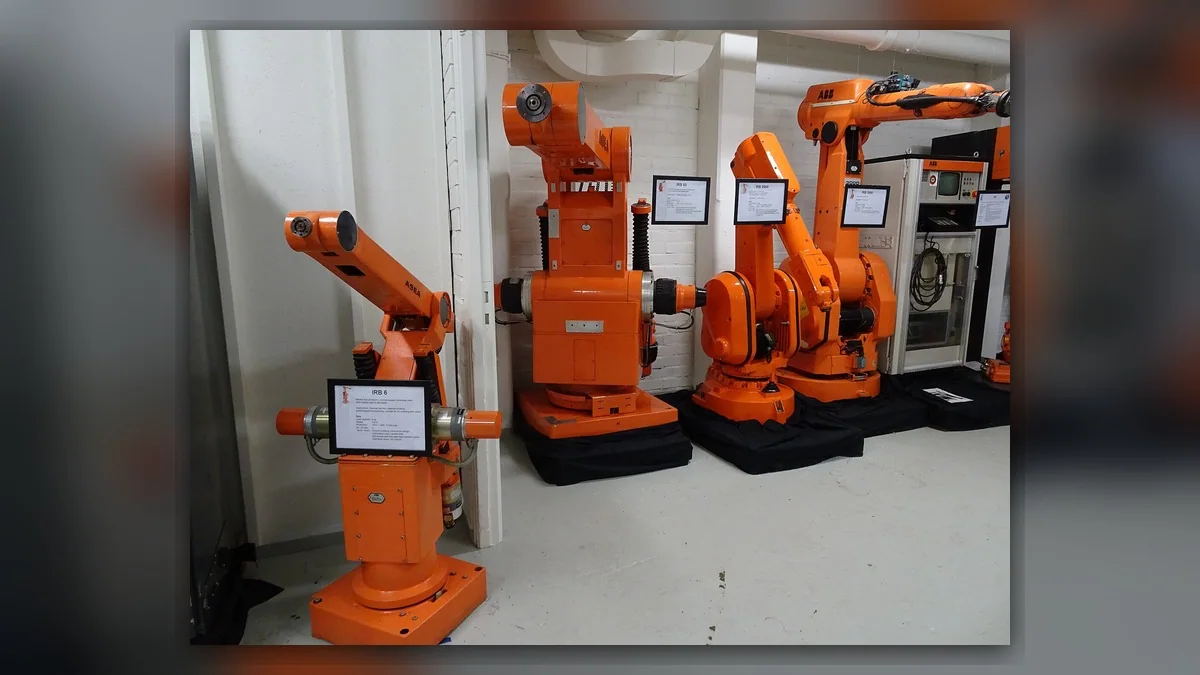
Robot Information · 2026-09-16
For an ABB IRC5 controller cabinet temperature alarm, check ambient temperature, air intake/outlet vents, filters, fans, power supply, and drive module heating, and verify through a heating operation test.
Read article →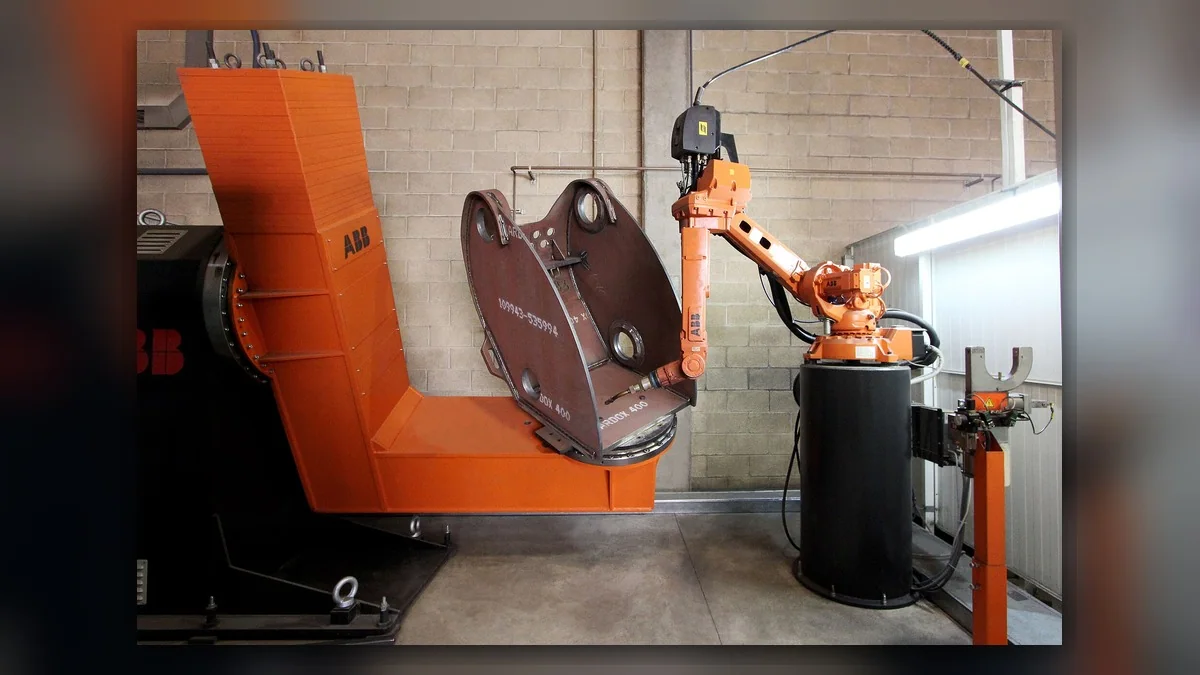
Robot Information · 2026-09-16
When an ABB robot displays a low battery alarm, first complete a system backup and confirm zero point data, then replace the corresponding battery according to the controller and robot model and verify the alarm status.
Read article →
Robot Information · 2026-09-16
Industrial robot repair costs are typically determined by the scope of fault detection, damaged components, source of spare parts, on-site labor hours, data recovery, and post-repair testing requirements.
Read article →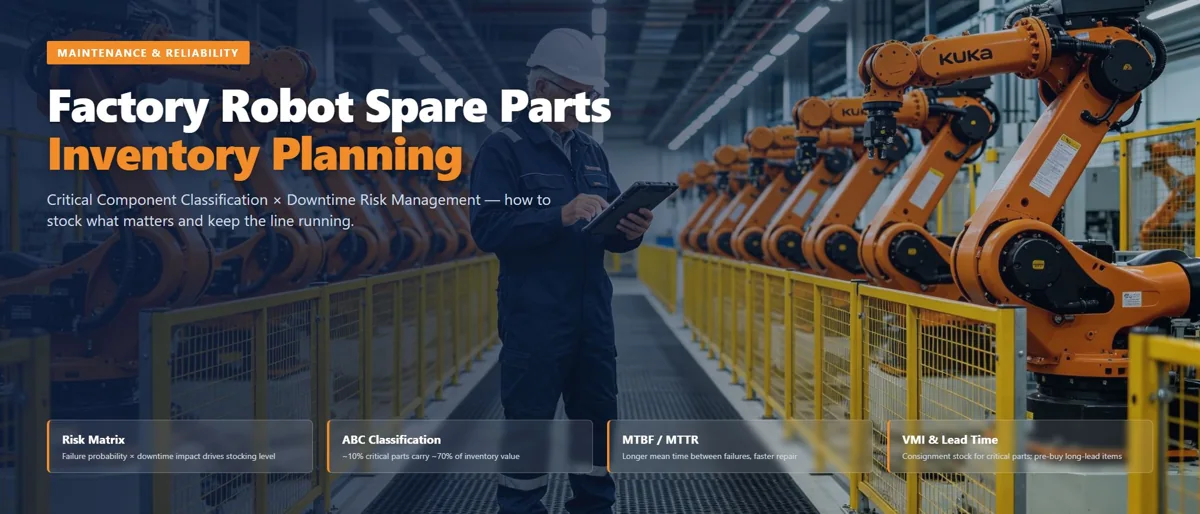
Robot Information · 2026-09-16
Factory robot spare parts inventory should be configured hierarchically based on equipment criticality, failure probability, lead time, repairability, and downtime losses, with regular verification of versions and storage status.
Read article →