Robot Repair & Maintenance · 2026-09-21
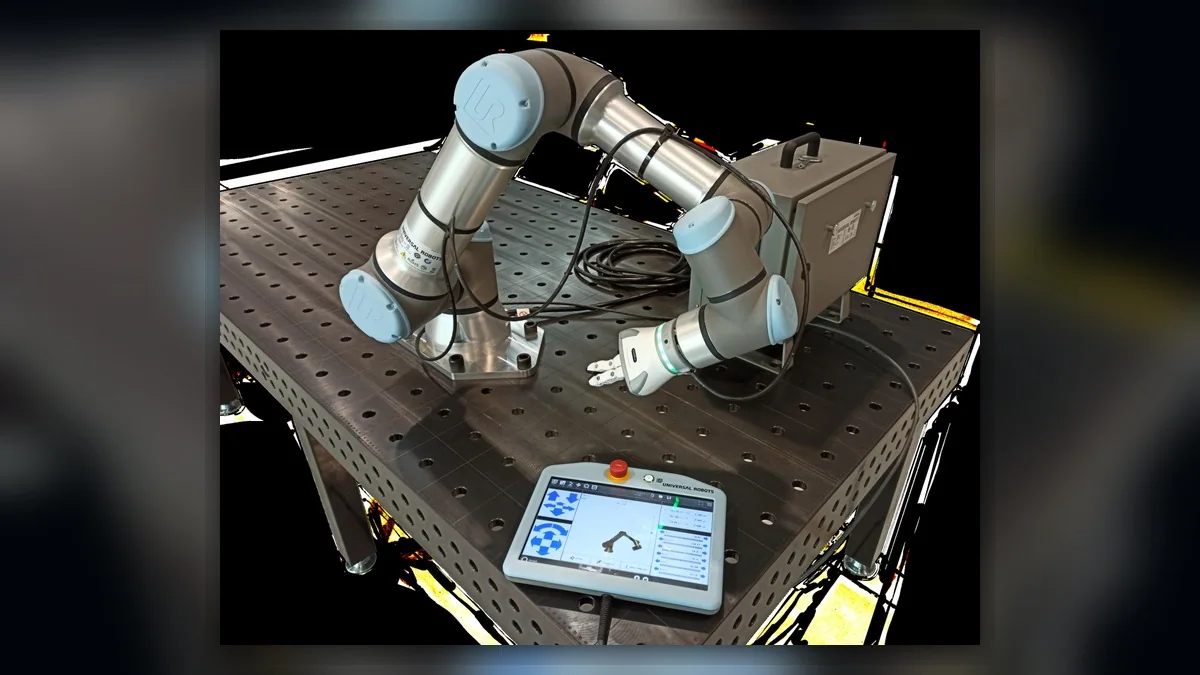
Diagnose an ABB teach pendant enabling fault by checking event logs, operating mode, cable condition, safety status, and pendant identification.
Read article →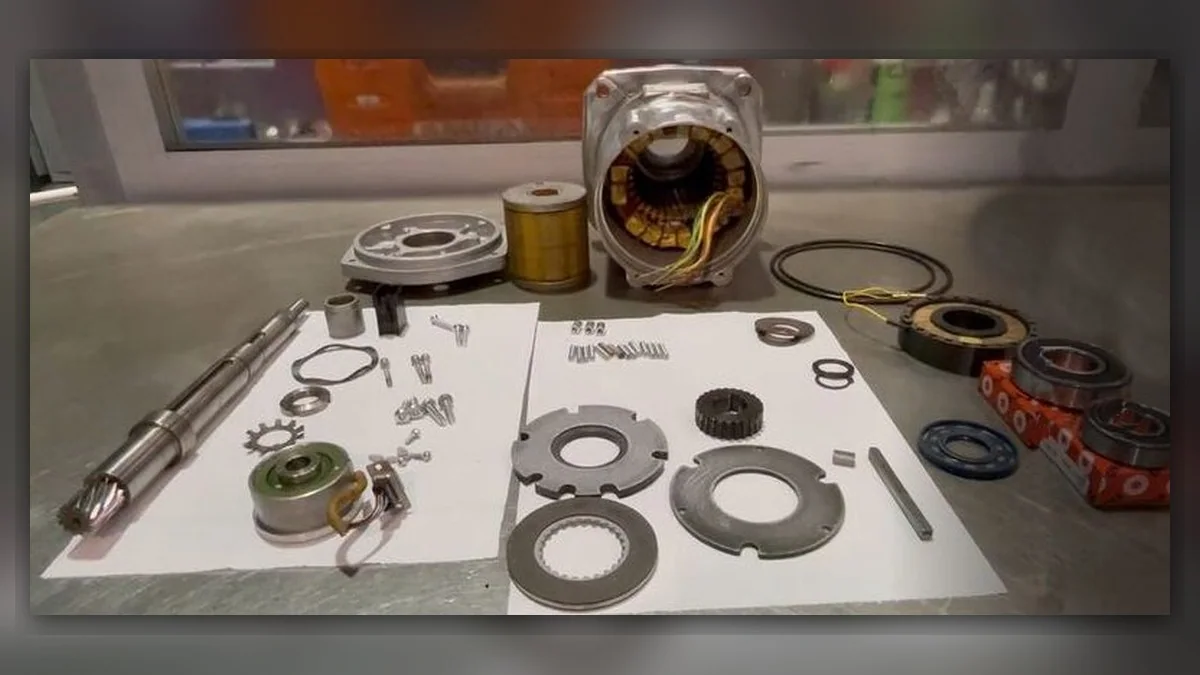
Robot Repair & Maintenance · 2026-09-21
Learn how to assess an ABB servo motor after a robot collision without confusing motor damage with brake, cable, gearbox, or calibration faults.
Read article →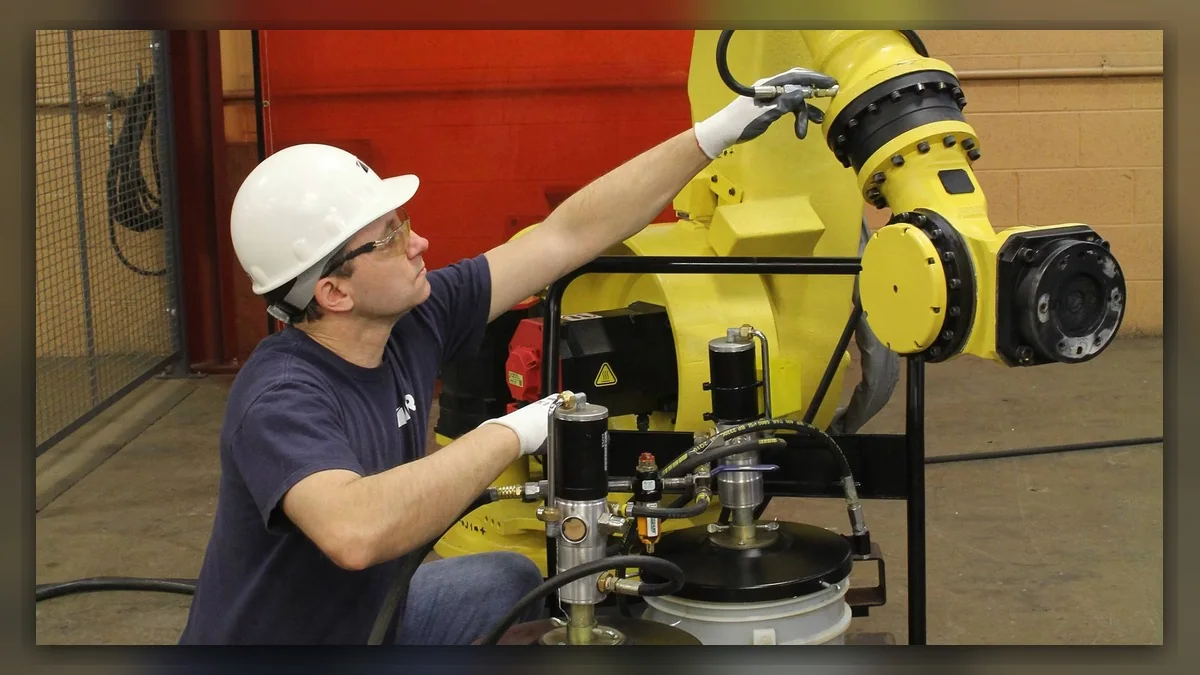
Robot Repair & Maintenance · 2026-09-21
Plan ABB robot lubrication maintenance by verifying the exact model, joint requirements, operating duty, lubricant condition, and service records.
Read article →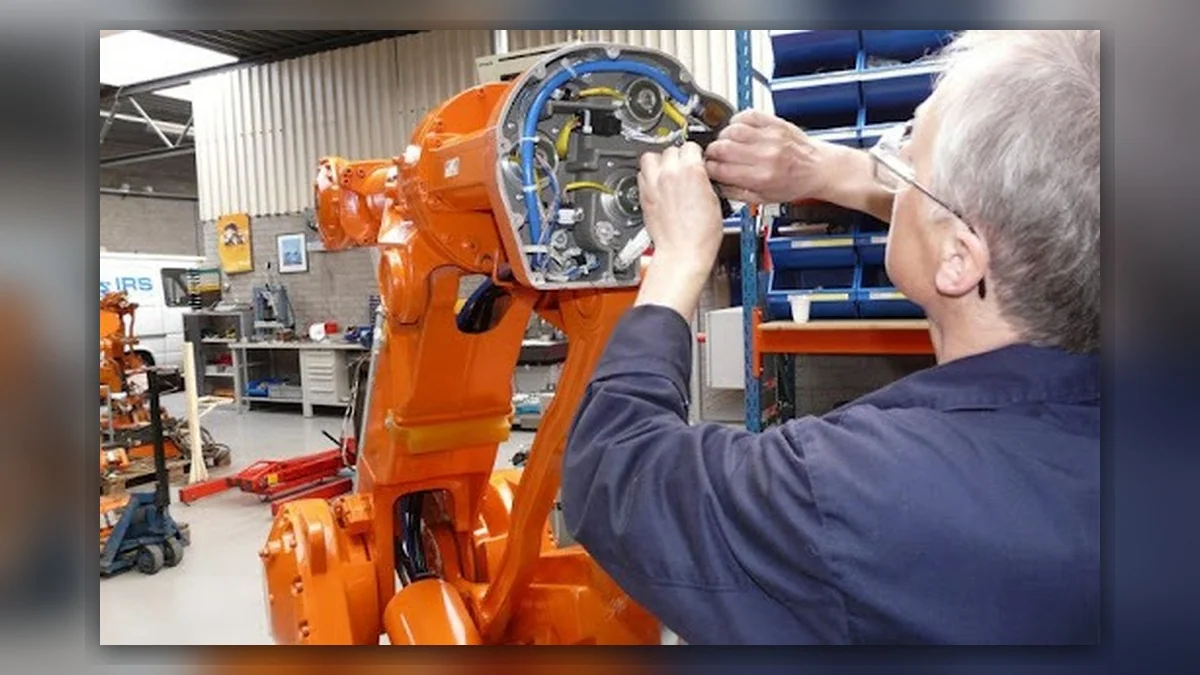
Robot Repair & Maintenance · 2026-09-21
Learn how to investigate an ABB robot axis that drifts while stationary without assuming the brake, motor, feedback system, or gearbox has failed.
Read article →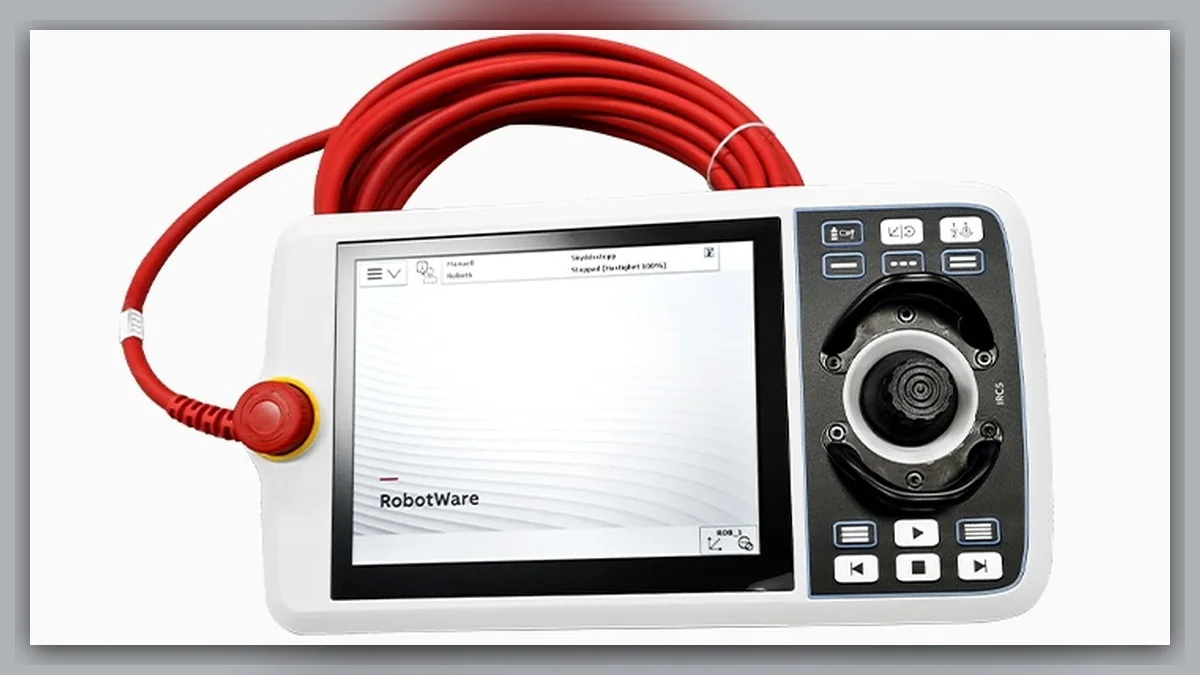
Robot Repair & Maintenance · 2026-09-20
Diagnose an ABB teach pendant emergency-stop reset fault by checking event records, safety devices, connections, and controller status before repair.
Read article →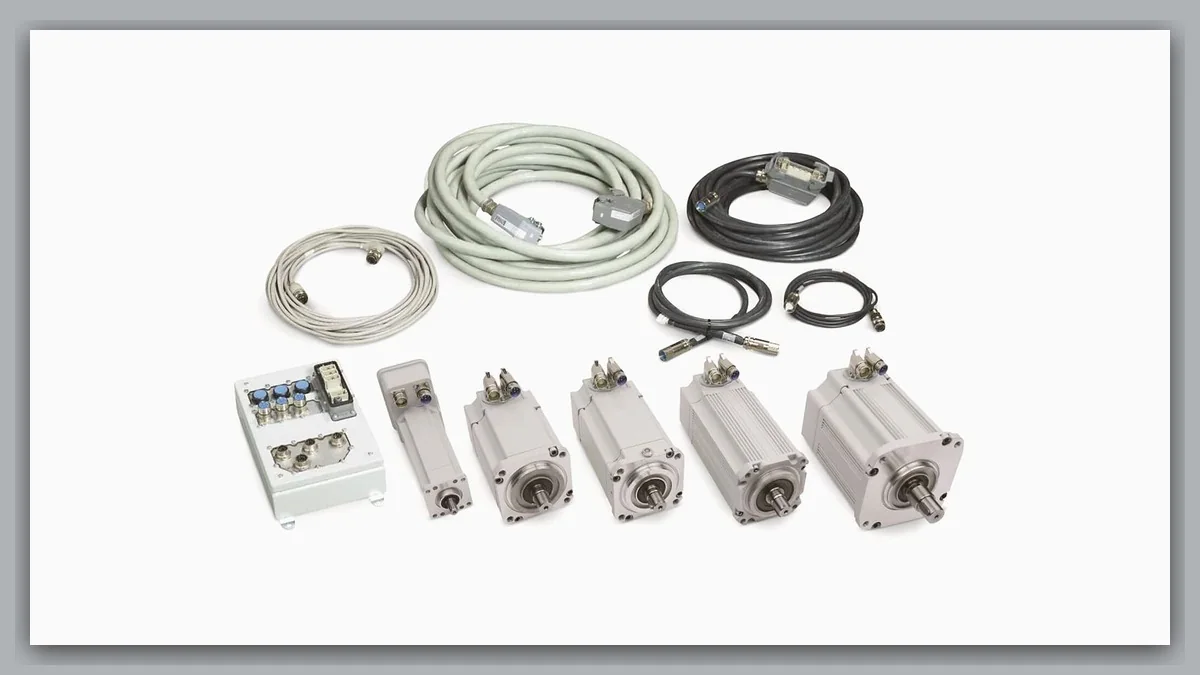
Robot Repair & Maintenance · 2026-09-20
Learn how to separate suspected ABB servo motor bearing damage from brake, feedback, cable, gearbox, and mechanical-load problems before repair.
Read article →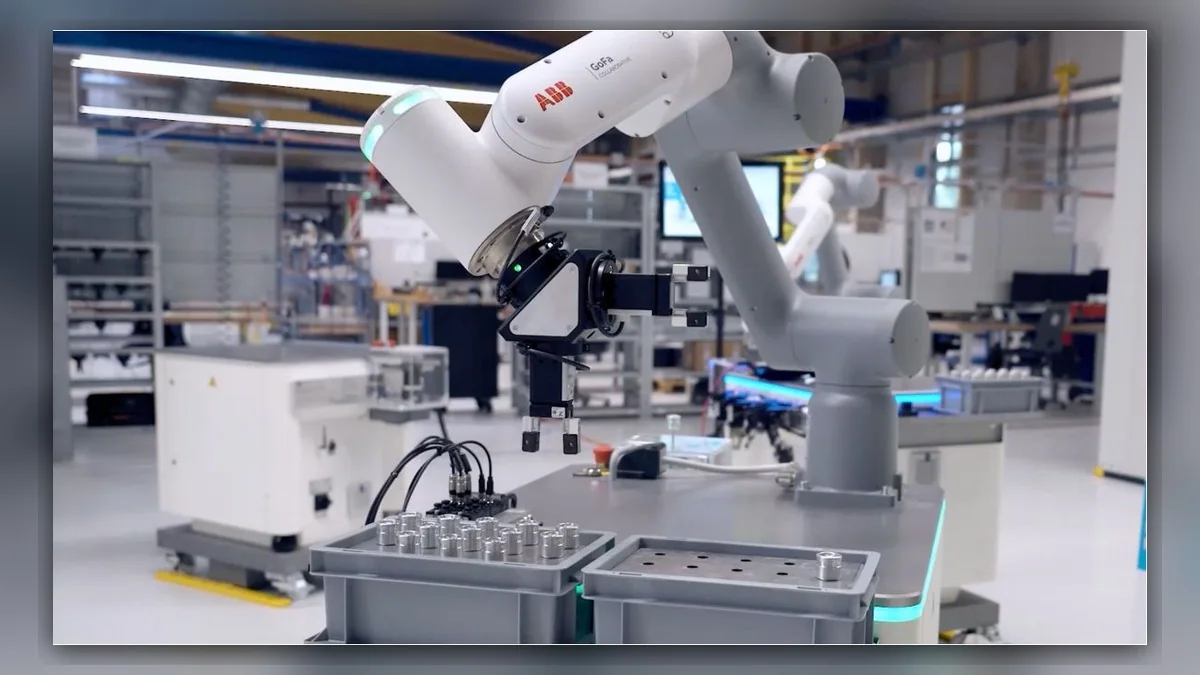
Robot Repair & Maintenance · 2026-09-20
A practical ABB robot maintenance process for assessing coolant or oil contamination before restart, component repair, or replacement decisions.
Read article →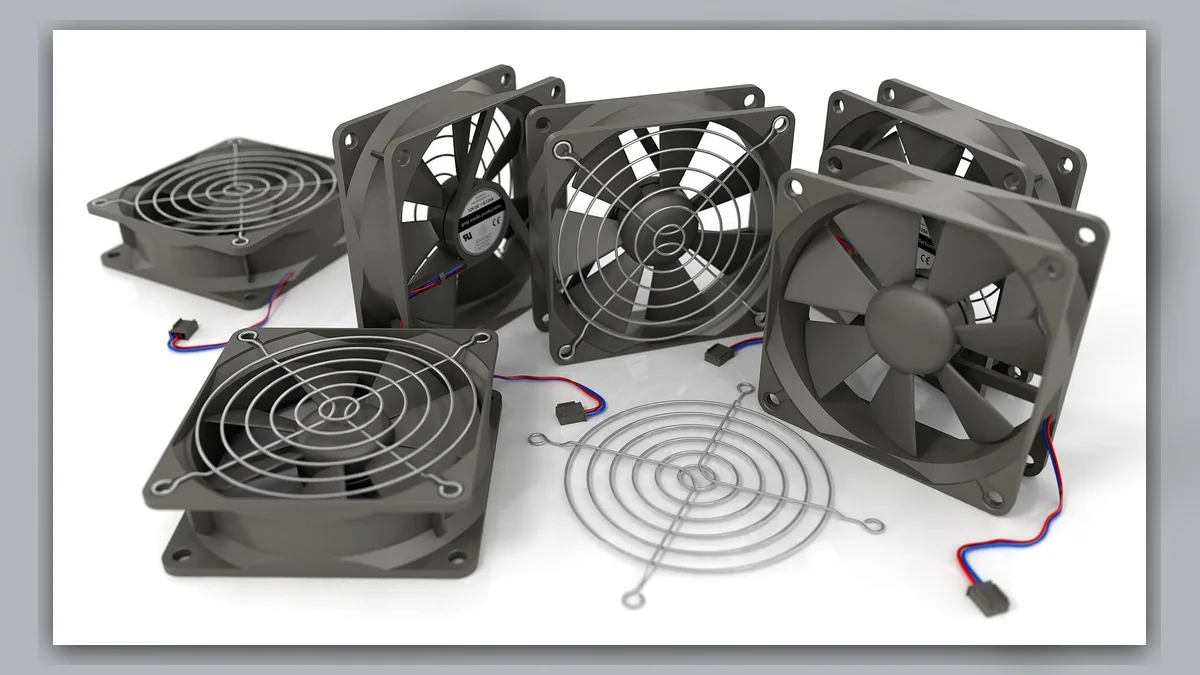
Robot Repair & Maintenance · 2026-09-20
Diagnose an ABB IRC5 cabinet fan that stops, runs intermittently, or becomes noisy by separating airflow, connection, control, and fan faults.
Read article →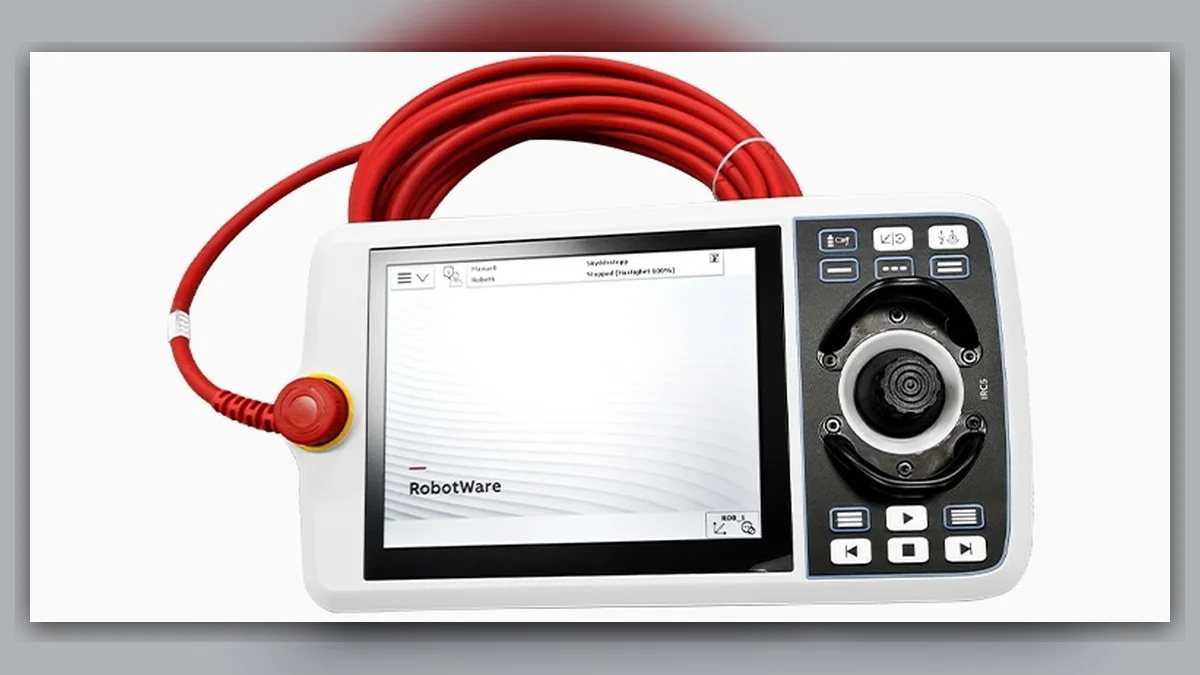
Robot Repair & Maintenance · 2026-09-20
Diagnose an ABB FlexPendant joystick that does not command motion by checking operating state, selections, connections, logs, and hardware evidence.
Read article →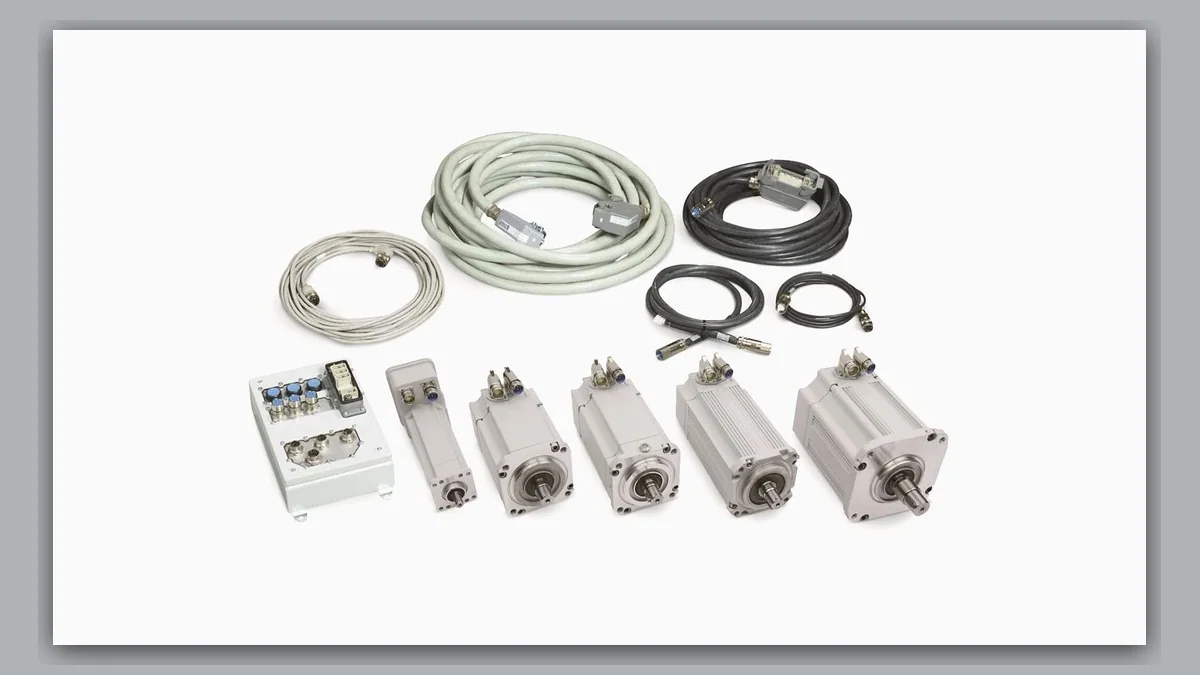
Robot Repair & Maintenance · 2026-09-20
Learn how to assess heat-damaged ABB servo motor connectors, separate cable faults from motor damage, and prepare evidence for professional repair.
Read article →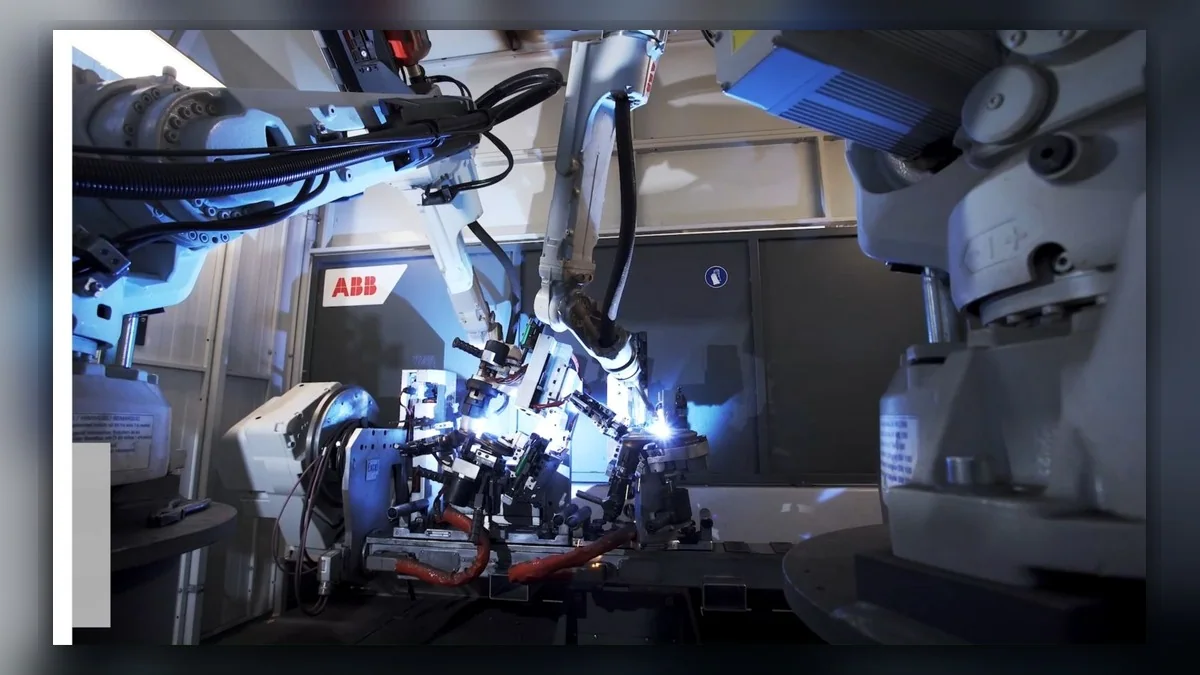
Robot Repair & Maintenance · 2026-09-20
A focused ABB robot maintenance procedure for assessing weld spatter on wrist components, cables, seals, tooling, and protective covers.
Read article →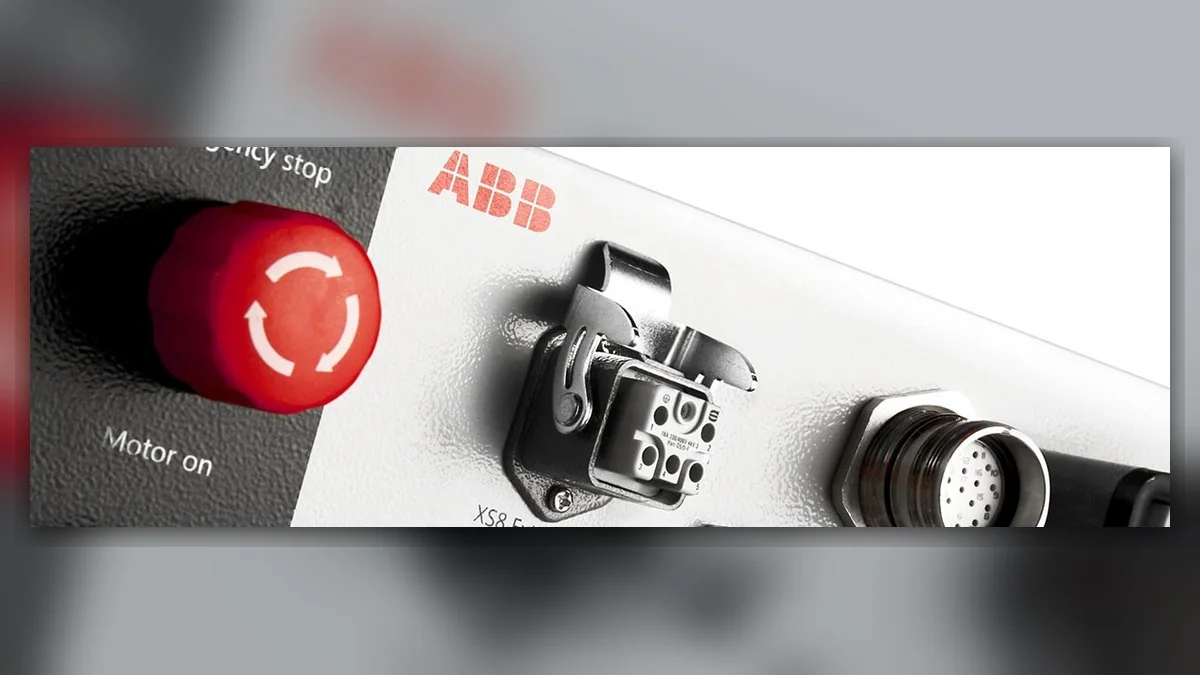
Robot Repair & Maintenance · 2026-09-20
Diagnose intermittent ABB motor-on dropout by reviewing alarms, safety conditions, cabinet connections, power events, and operating patterns.
Read article →