Record the fault before requesting an assessment
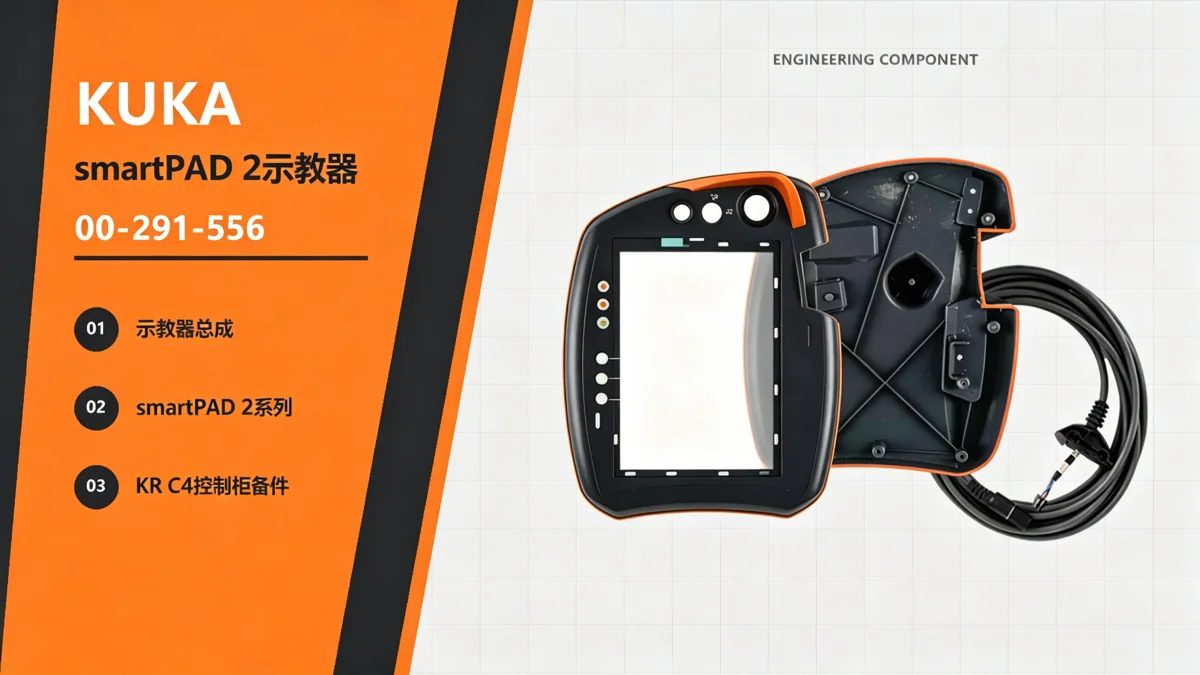
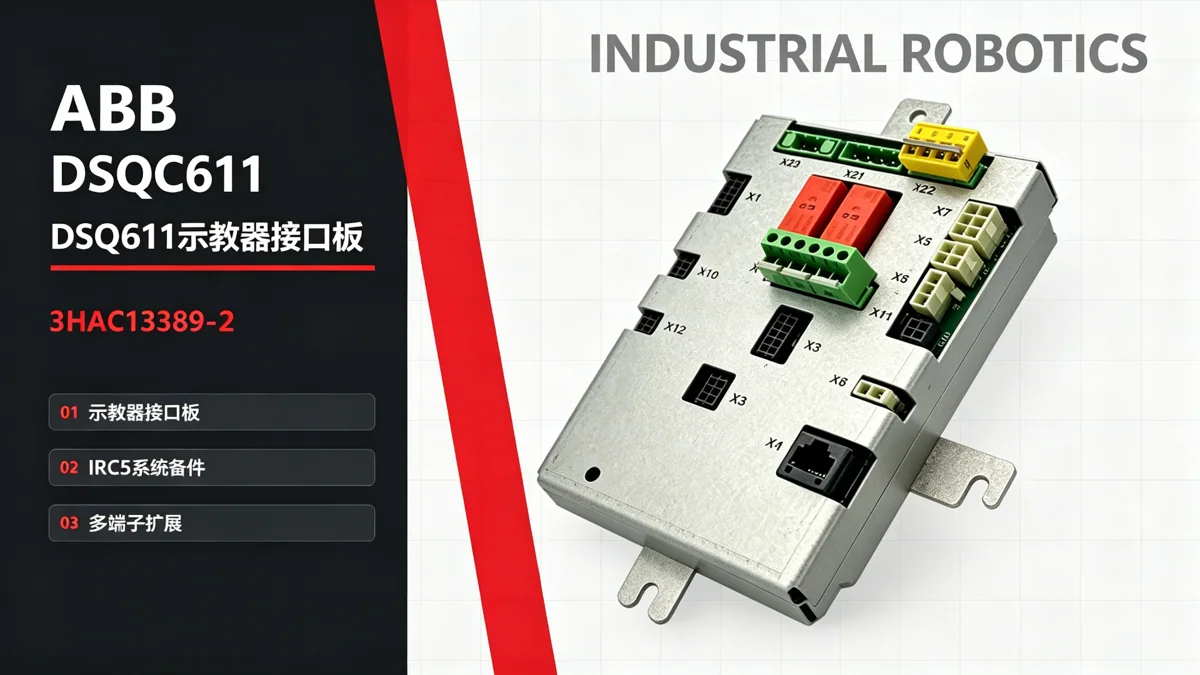
Controller faults need context. Provide the robot and controller model, the complete alarm code and message, and the time or operating stage at which the issue appears. Include any recent configuration changes, part replacements or maintenance work. A photograph of the cabinet label and the affected module helps identify the equipment version. An alarm code by itself does not confirm that a particular module has failed.
Separate symptoms from a confirmed cause
Startup, communication, drive and display symptoms can involve different parts of the system. Send the available inspection records without presenting an unverified guess as a confirmed diagnosis. Inspection and electrical work must be carried out by qualified personnel using the equipment documentation and site safety procedures. Do not bypass safety circuits or operate equipment with unresolved safety-related faults.
Agree the repair scope and return arrangements
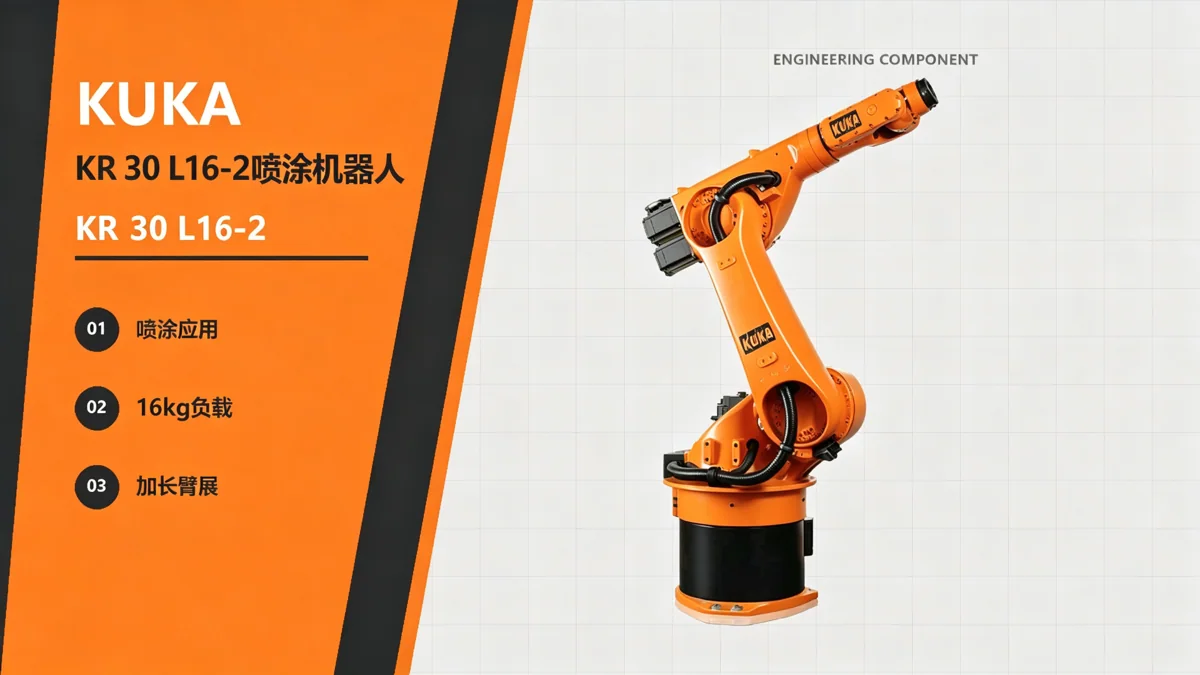
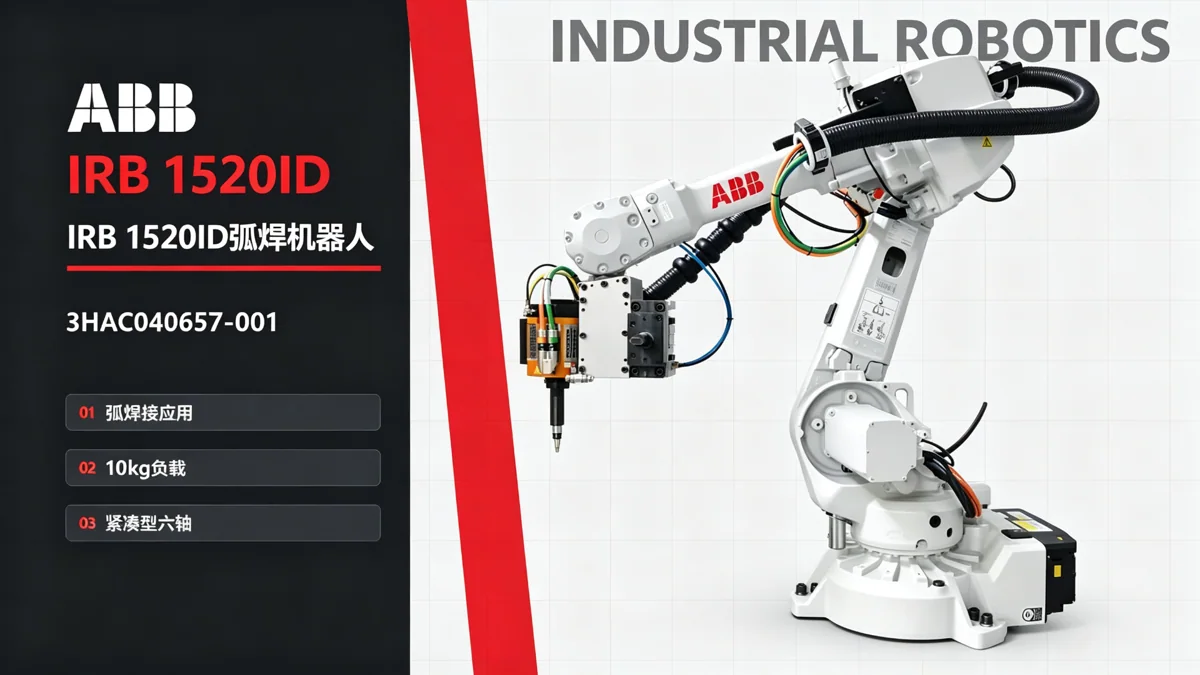
Before shipping a controller or module, confirm that the team can review that specific model and agree the receiving details, packaging and inspection scope. Repair feasibility, cost and timing depend on the findings. Where replacement is considered, verify part numbers and system compatibility independently of the fault symptoms. Use the service and component pages below to make your inquiry more specific.