
ABB Robot Repair · 2026-09-09
After prolonged continuous operation, ABB industrial robots may experience aging, loosening, wear, and abnormal heat dissipation in components such as the teach pendant, control cabinet, servo system, body cables, and mechanical joints. This article introduces the main aspects of ABB robot maintenance, covering daily inspections, teach pendant checks, control cabinet maintenance, mechanical body upkeep, and restart verification, to help factories identify potential faults early and reduce unplanned downtime.
Read article →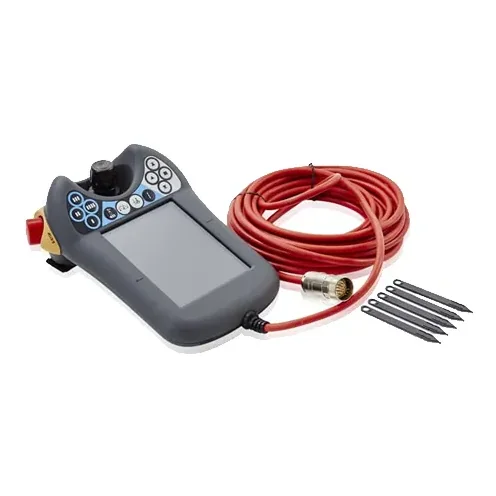
ABB Robot Repair · 2026-09-09
The ABB DSQC679 (common material number 3HAC028357-001) is the TPU3 teach pendant commonly used in IRC5 robot systems. Long-term frequent operation, accidental drops, cable pulling, or aging internal components may cause faults such as black screen, white screen, touch failure, unresponsive buttons, communication abnormalities, and failure to start. This article introduces the common faults of the DSQC679 teach pendant, judgment methods, repair procedures, and key points for post-repair inspection, helping on-site personnel quickly narrow down the fault scope.
Read article →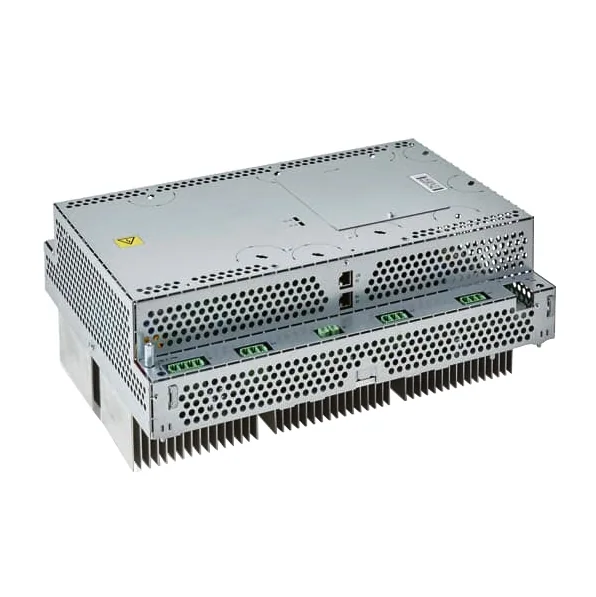
ABB Robot Repair · 2026-09-09
When an ABB robot DSQC663 drive triggers an overcurrent alarm, the fault may not originate from the drive module itself; it could also be related to mechanical load, servo motors, power cables, brakes, or cooling conditions. This article focuses on DSQC663 drive overcurrent faults, introducing methods for recording alarm information, determining the fault scope, on-site inspection, professional repair, and restart verification, aiming to help maintenance personnel reduce misjudgments and unnecessary part replacements.
Read article →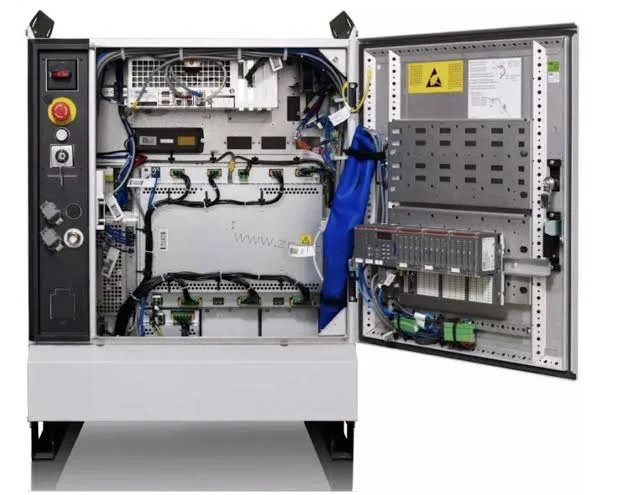
ABB Robot Maintenance · 2026-09-09
The ABB robot control cabinet is responsible for system power supply, motion control, communication, and safety management. After prolonged operation, issues such as failure to power on, servo enable failure, drive module alarms, communication interruptions, and excessive internal cabinet temperature may occur. This article introduces common faults in ABB robot control cabinets, on-site diagnostic methods, repair procedures, and key points for restart verification.
Read article →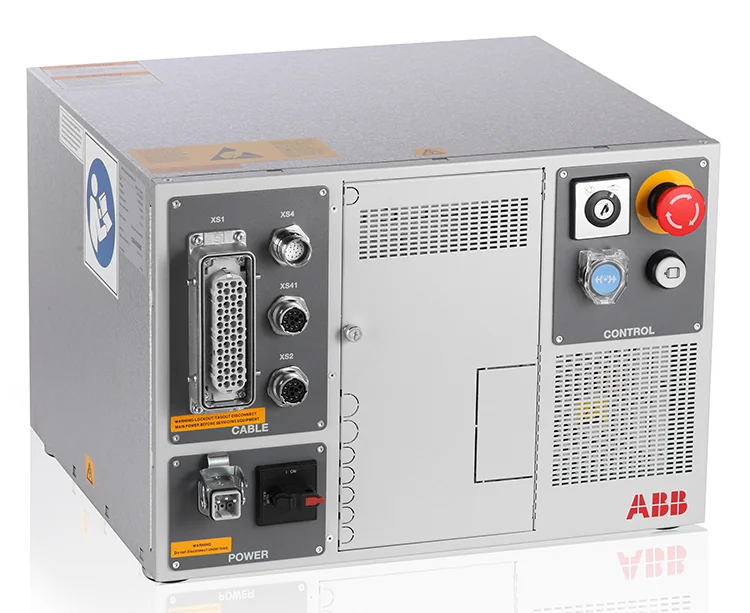
ABB Robot Repair · 2026-09-09
When the ABB robot DSQC651 I/O board malfunctions, it may lead to input/output signal loss, unresponsive peripheral equipment, communication anomalies, robot startup failure, or production cycle interruption. This article introduces the common fault manifestations, inspection methods, repair procedures, and key points for recommissioning verification of the DSQC651 I/O board, assisting maintenance personnel in quickly determining whether the issue originates from the I/O board itself, the terminal blocks, or external equipment.
Read article →
ABB Robot Maintenance · 2026-09-09
After an ABB robot experiences tool collision, workpiece impact, or mechanical interference, issues such as zero point offset, reducer damage, body cable compression, and decreased positioning accuracy may occur even if it can continue to operate. This article introduces the on-site handling, mechanical inspection, zero point confirmation, and restart verification process after a robot collision.
Read article →
ABB Robot Maintenance · 2026-09-08
When ABB industrial robots experience alarms, inability to enable, operational jitter, or positioning abnormalities, the issue may not only lie with the robot body itself, but could also be related to accessories such as control cabinet drive modules, servo motors, encoders, cables, and braking units. This article introduces the classification of common ABB robot repair parts, key points for model verification, pre-replacement checks, and post-repair validation procedures to help factories reduce secondary downtime caused by incompatible spare parts.
Read article →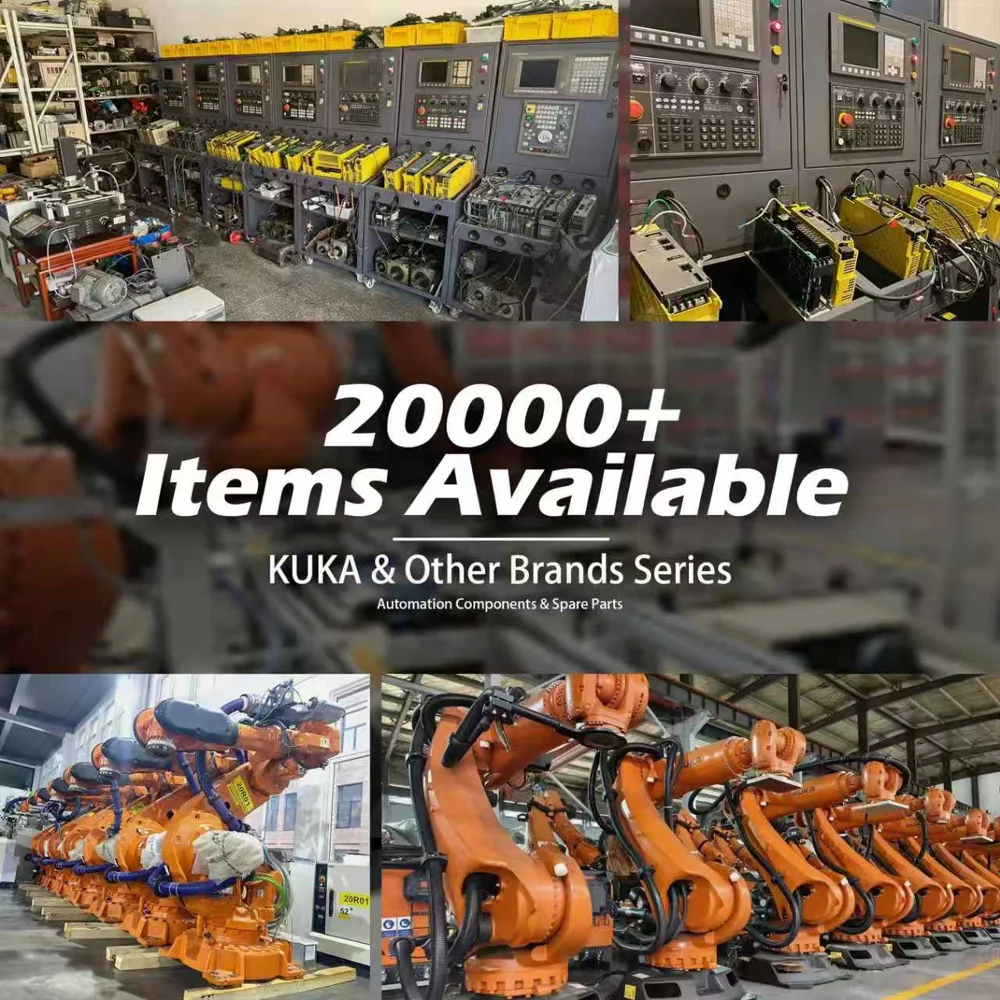
Safety Regulations · 2026-08-14
As the trend of 'machines replacing humans' accelerates, the demand for robot maintenance and upkeep from enterprises is also increasing. In the past week alone, several company owners have spared no expense in seeking repair personnel, with issues ranging from robot software system problems to robot body failures. It's not hard to see that robot maintenance will be a highly sought-after profession in the coming years. However, industrial robots, while serving humans, are also 'steel monsters'. Once mechanical or program failures occur, they can cause serious injury to operators. How can we, Zhong Heng Biao Machinery maintenance engineers, protect ourselves while 'treating' robots?
Read article →
Core Components · 2026-08-14
Technical Background of RV Reducers for Foreign Robots: Foreign companies primarily focused on the research, development, and production of industrial robots include Sweden's ABB Industrial Robots, Germany's KUKA, and Japan's FANUC, among others. The joint drive transmission mechanisms in these companies' robot products mainly use RV reducers produced by Japan's Teijin. Because industrial robot drive mechanisms require high precision during transmission, small backlash (i.e., small return difference), robot maintenance, high rigidity, high output torque, and a large reduction ratio, commonly used transmission devices include: RV reducers, harmonic reducers, cycloidal pinwheel planetary reducers, and certain high-precision planetary reducers and other small-backlash precision control reducers.
Read article →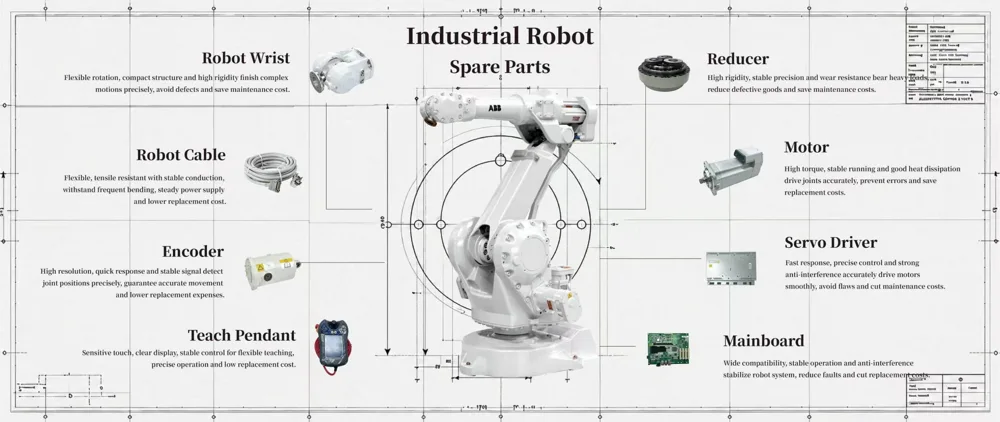
Brand Technology · 2026-08-14
Do you know the four major families of industrial robots? ABB, KUKA, FANUC, and YASKAWA stand tall in the industrial robotics industry. Let's explore the strengths and weaknesses of the technologies of these four major families of industrial robots together with Han Fengtao, a leading expert in domestic robot technology. First, let's throw out two non-conclusive conclusions: First, as a relatively mature product in development, from the general...
Read article →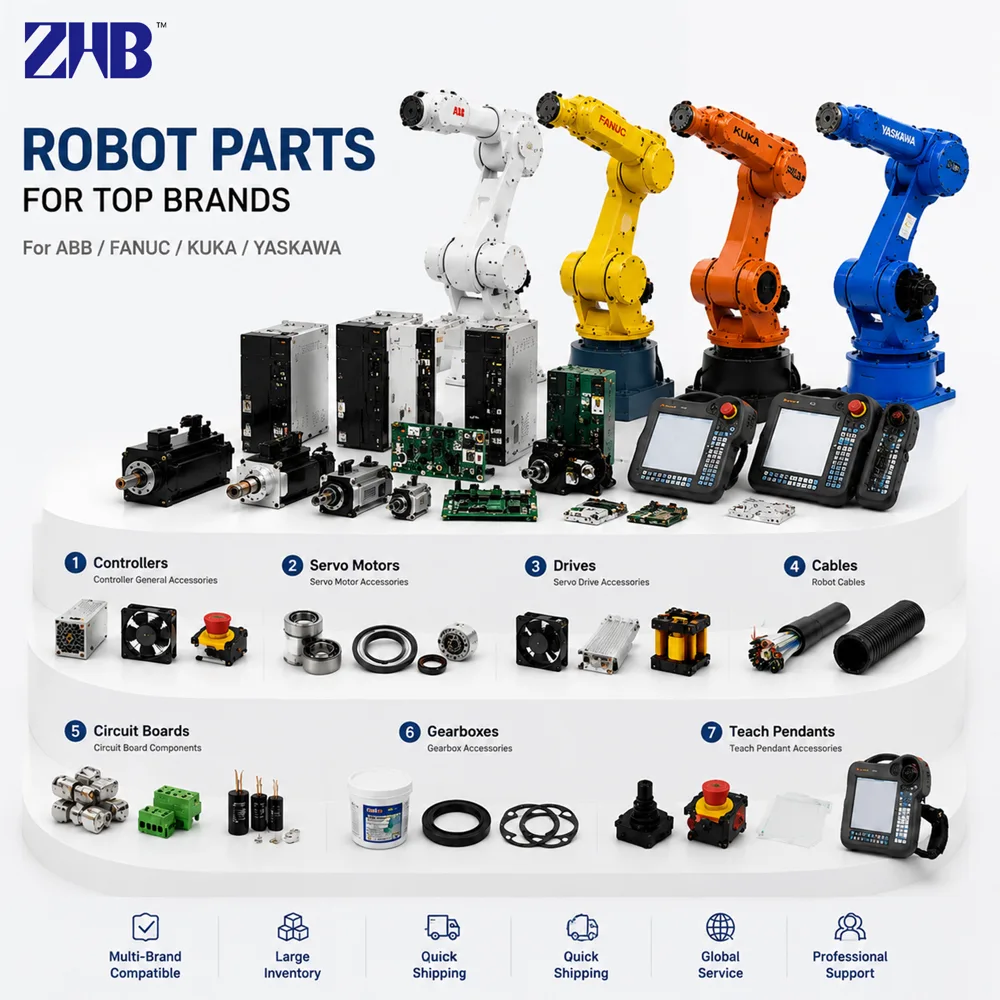
Control System · 2026-08-14
PLC-based Motion Control Regarding PLC-based motion control, there are primarily two methods: The first method utilizes the PLC output port to issue pulse commands to drive the motor, while achieving closed-loop position control of the robot servo motor with the help of general-purpose I/O or counting components. The second method involves achieving closed-loop position control of the motor through an externally expanded position control module of the PLC. This method primarily relies on
Read article →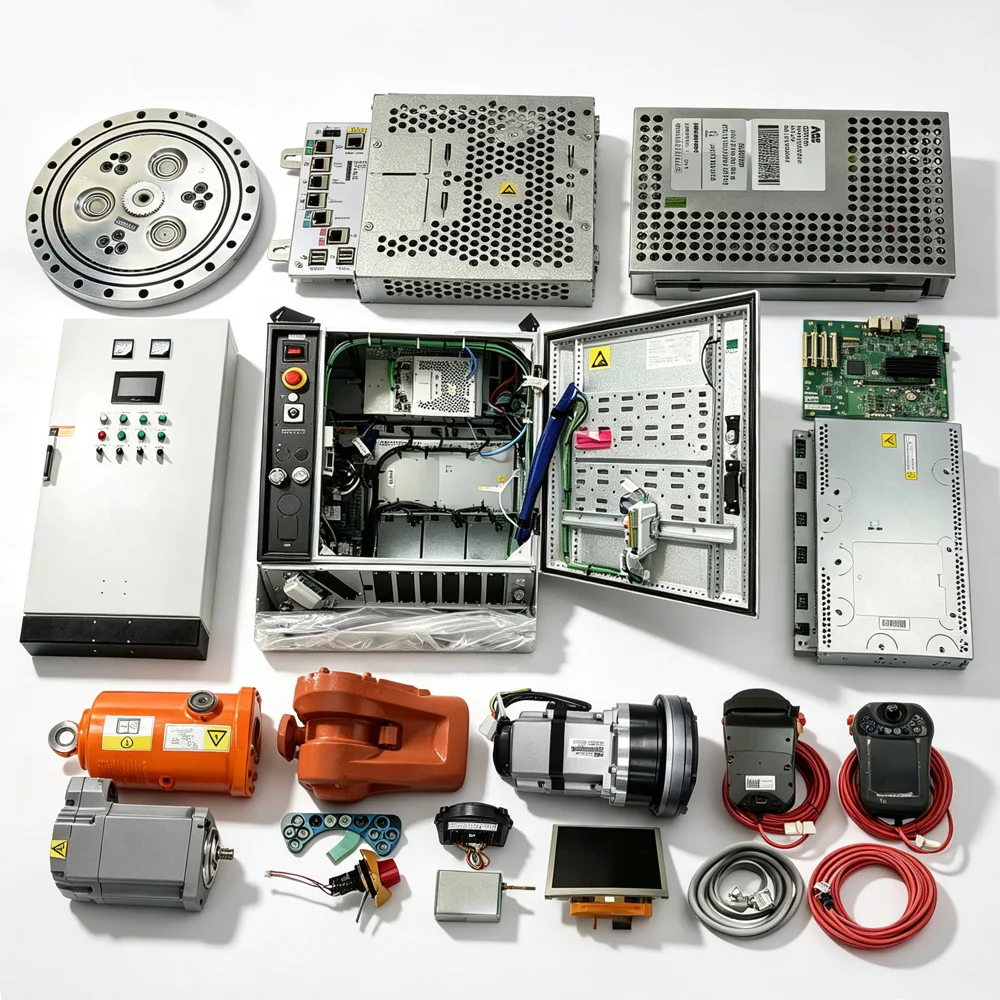
Fault Diagnosis · 2026-08-14
Oil leakage in industrial robots is also a common problem. This is often due to some industrial robot manufacturers failing to properly seal the internal gearbox and castings during production. In such cases, we first need to conduct a comprehensive inspection of the machine to confirm the exact location of the leak, then disassemble the gearbox and redo the sealing.
Read article →