Robot Repair & Maintenance · 2026-09-20
Diagnose intermittent ABB IRC5 axis feedback faults by reviewing alarm history, cables, connectors, operating conditions, and component identity.
Read article →
Robot Repair & Maintenance · 2026-09-20
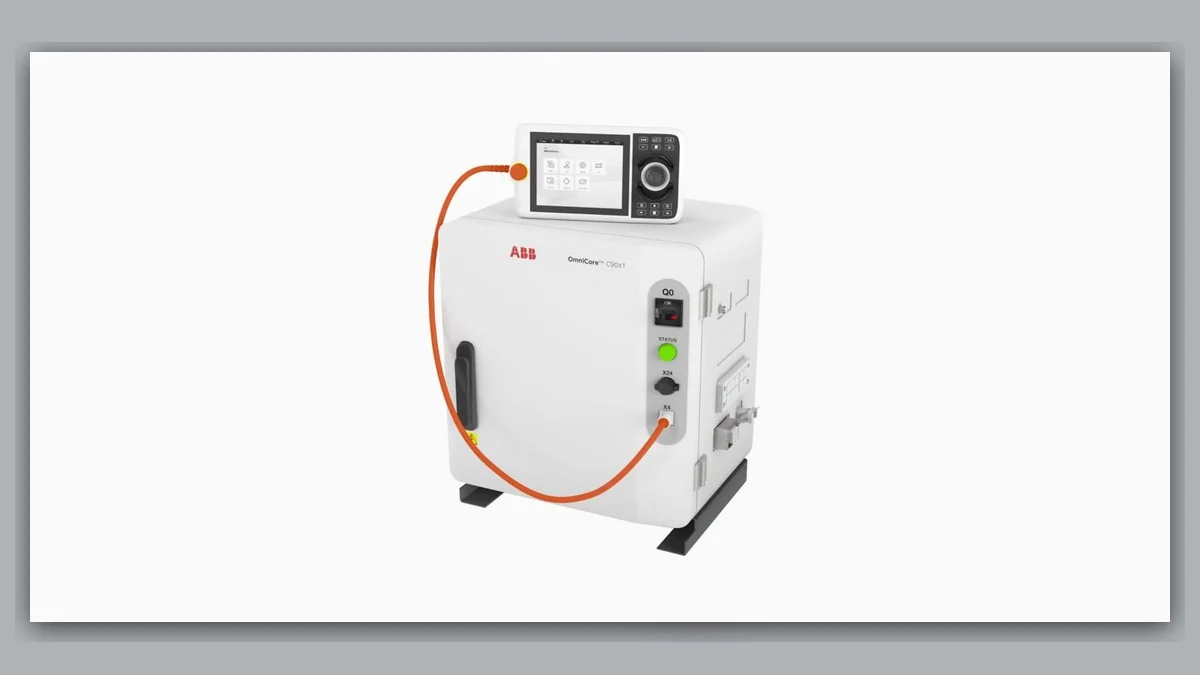
Diagnose an ABB IRC5 axis brake that will not release by checking alarm history, power state, cabling, load conditions, and component identity.
Read article →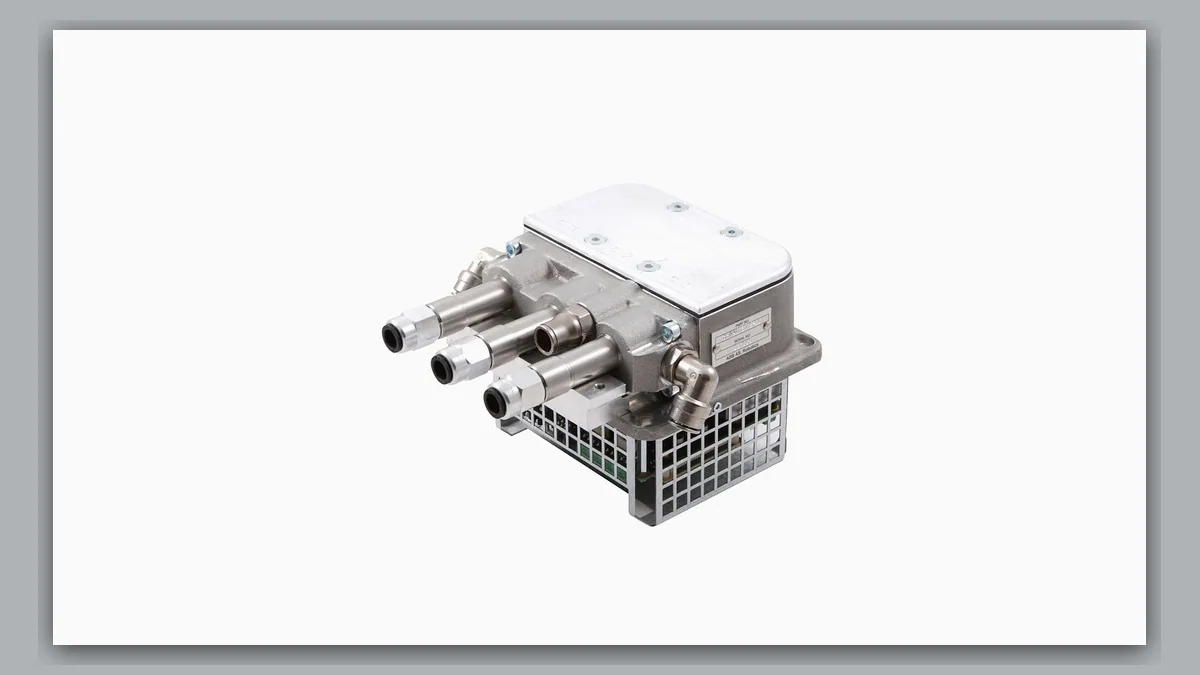
Robot Repair & Maintenance · 2026-09-20
Diagnose ABB robot calibration loss by reviewing event records, axis marks, service history, feedback conditions, and mechanical integrity before recalibration.
Read article →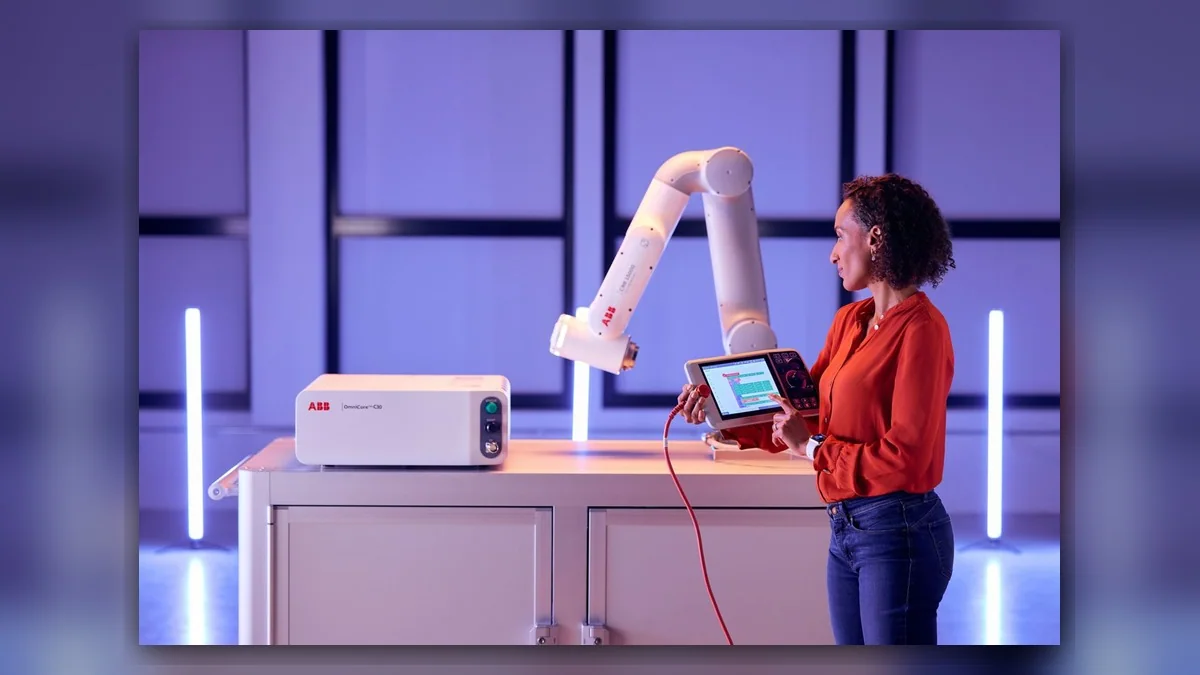
Robot Repair & Maintenance · 2026-09-20
Diagnose an ABB IRC5 controller that cannot enable motor power after cabinet service without assuming the drive module has failed.
Read article →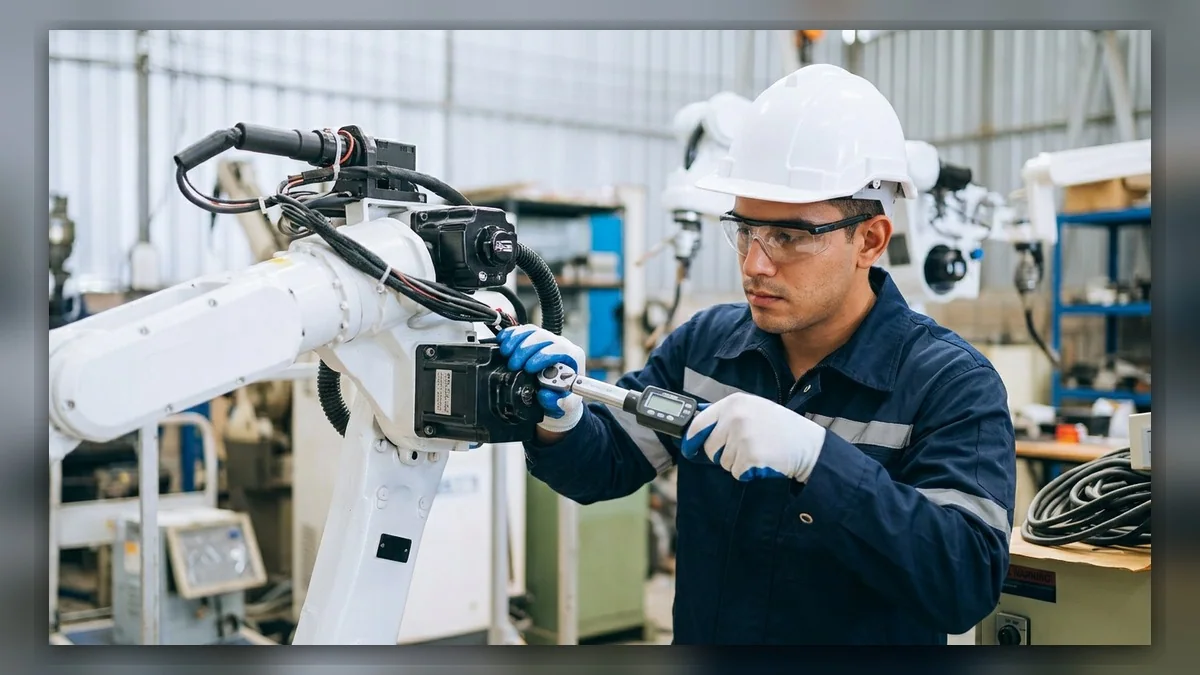
Robot Repair & Maintenance · 2026-09-20
Diagnose a single robot axis that will not move by separating safety, drive, cable, feedback, brake, motor, and mechanical causes before replacing parts.
Read article →
Robot Repair & Maintenance · 2026-09-20
Learn how to assess an industrial robot control cabinet after water ingress without unsafe restart attempts or unsupported component replacement.
Read article →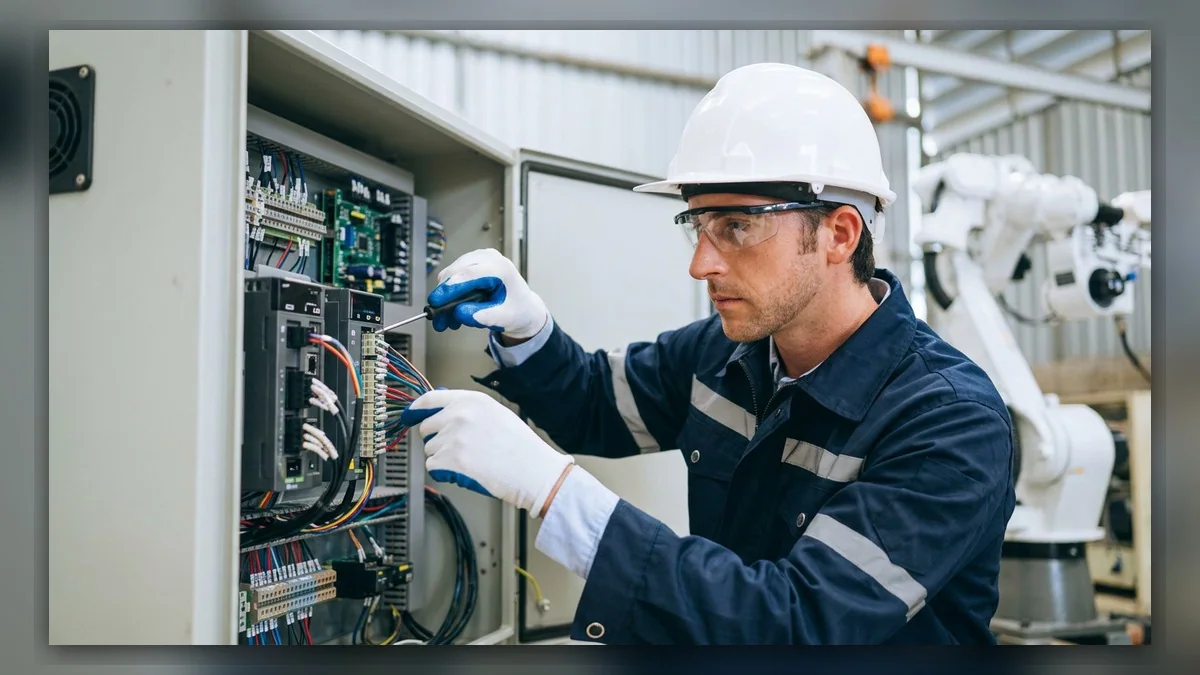
Robot Repair & Maintenance · 2026-09-20
Diagnose an industrial robot that will not enable its servos after a stop by checking safety status, interlocks, power, alarms, and drive readiness.
Read article →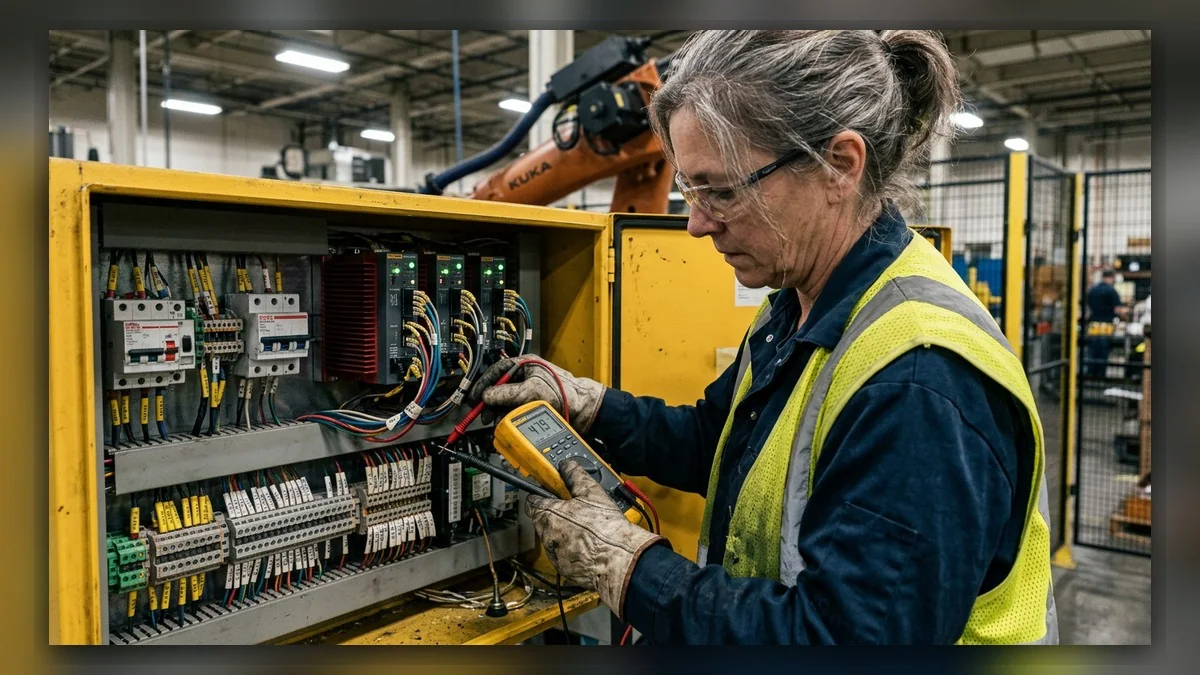
Robot Repair & Maintenance · 2026-09-20
Diagnose FANUC SRVO-021 SRDY OFF by recording the full event, checking earlier alarms, confirming status signals, and following controller-specific procedures.
Read article →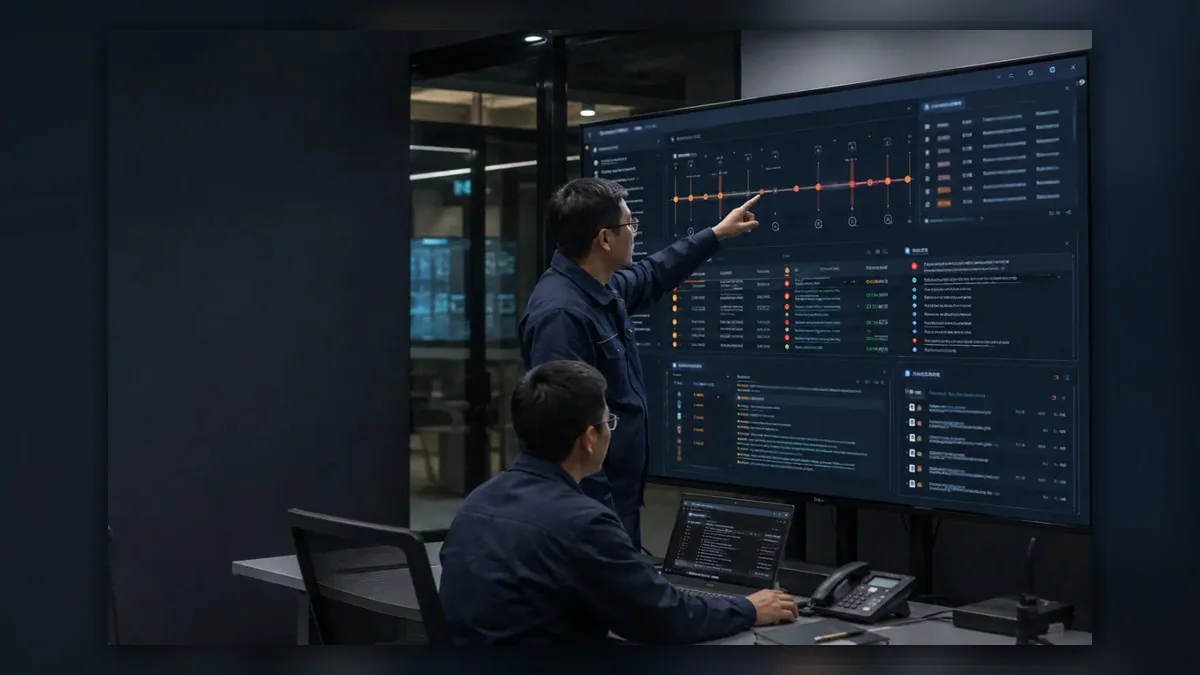
Robot Information · 2026-09-18
Remote diagnosis can help quickly triage faults for industrial robots such as ABB, FANUC, KUKA, and YASKAWA, but it cannot replace on-site safety verification and hardware inspection. This article explains the required materials, collaboration processes, and risk boundaries for remote repair.
Read article →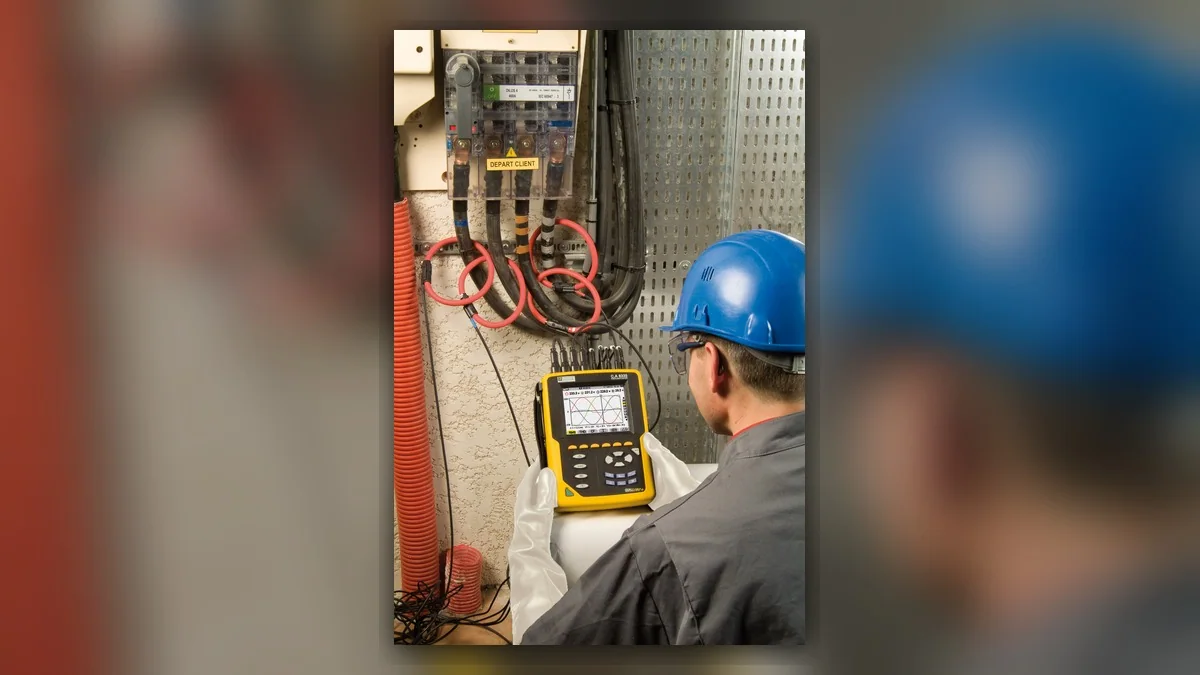
Robot Information · 2026-09-18
When ABB, FANUC, KUKA, and YASKAWA robots shut down simultaneously or randomly, the controller should not be the only component checked. Cross-referencing alarm times, power supply waveforms, and peripheral equipment status can quickly identify voltage sags, poor contact, and grounding abnormalities.
Read article →
Robot Information · 2026-09-18
The color, impurities, and abnormal loss of industrial robot grease can provide clues for diagnosing joint wear, but cannot be used alone as a basis for replacing the reducer. This article introduces grease inspection and fault closed-loop methods for ABB, FANUC, KUKA, YASKAWA, and general-purpose robots.
Read article →
Robot Information · 2026-09-18
Replacing faulty components only restores production; failure analysis identifies root causes such as overheating, contamination, cable stress, and power supply anomalies, helping multi-brand robot production lines reduce the risk of repeated downtime.
Read article →