Robot Repair & Maintenance · 2026-10-05
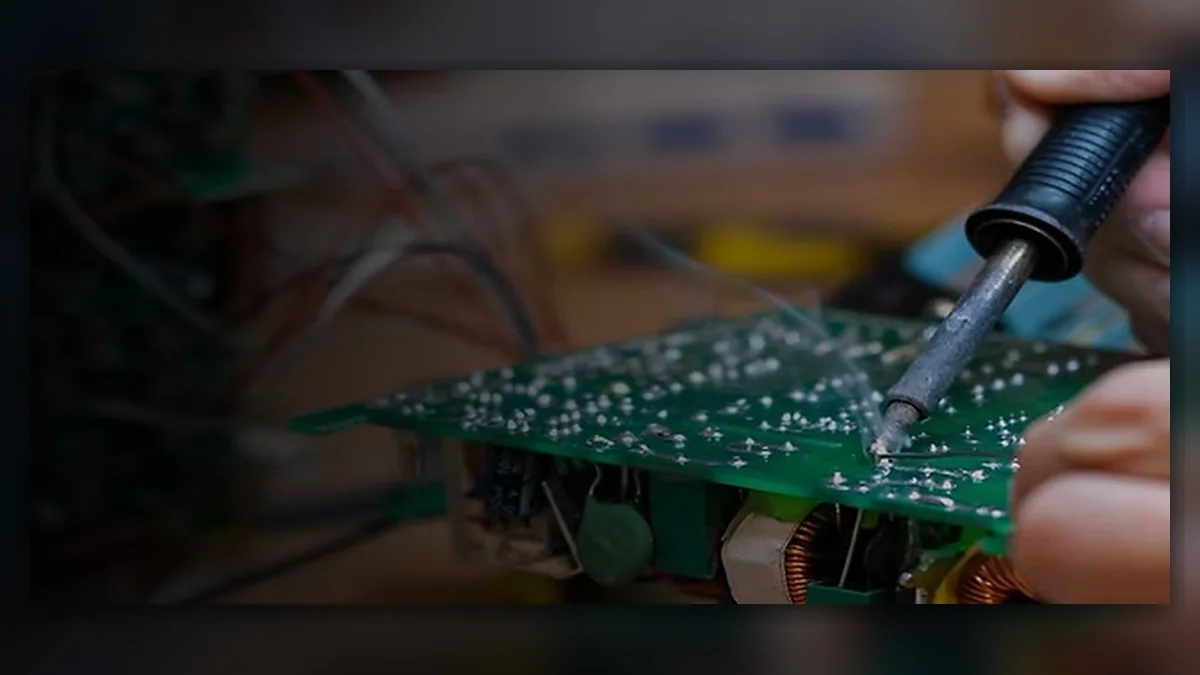
Learn how to document ABB robot maintenance inspections, identify developing faults, and prepare reliable evidence before repair or replacement decisions.
Read article →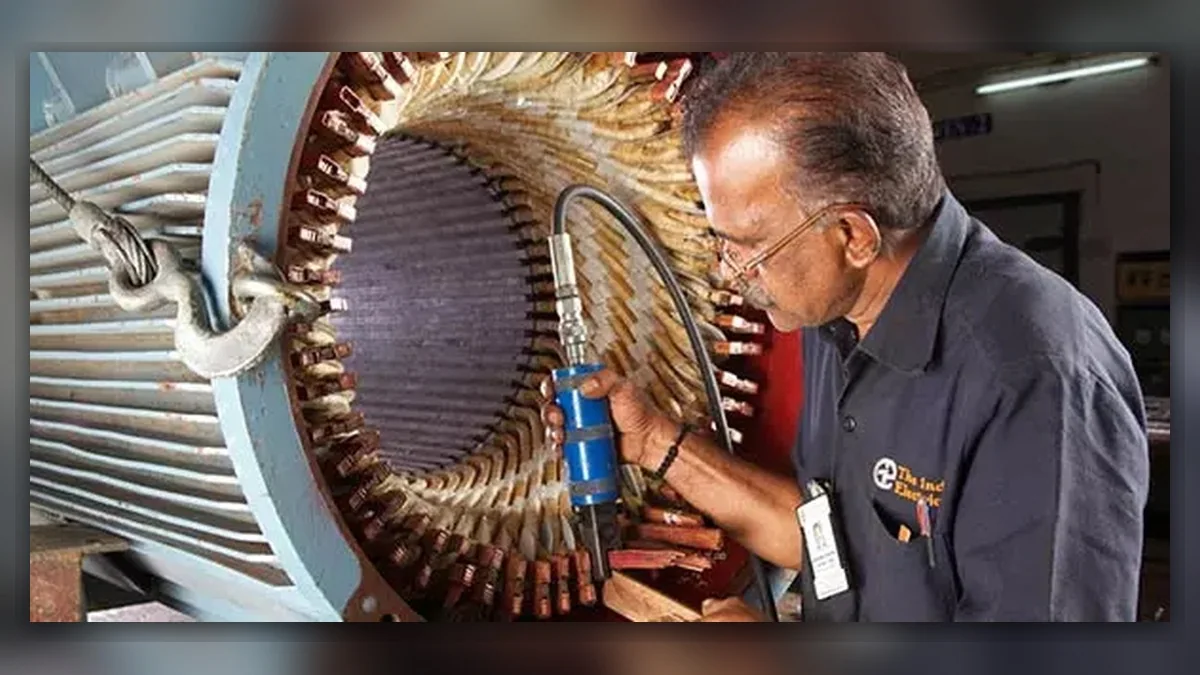
Robot Repair & Maintenance · 2026-10-05
Learn how to diagnose a Yaskawa robot axis that will not enable, distinguish control, safety, cable, drive and motor causes, and plan repair safely.
Read article →
Robot Repair & Maintenance · 2026-10-05
Learn how to diagnose FANUC SRVO-021 SRDY OFF on R-30iB Mate controllers without treating the alarm alone as proof of amplifier failure.
Read article →
Robot Repair & Maintenance · 2026-10-05
Use a model-specific sequence to investigate a KUKA KR C4 drive-enable fault, preserve alarm evidence, and avoid treating the symptom alone as proof of a failed component.
Read article →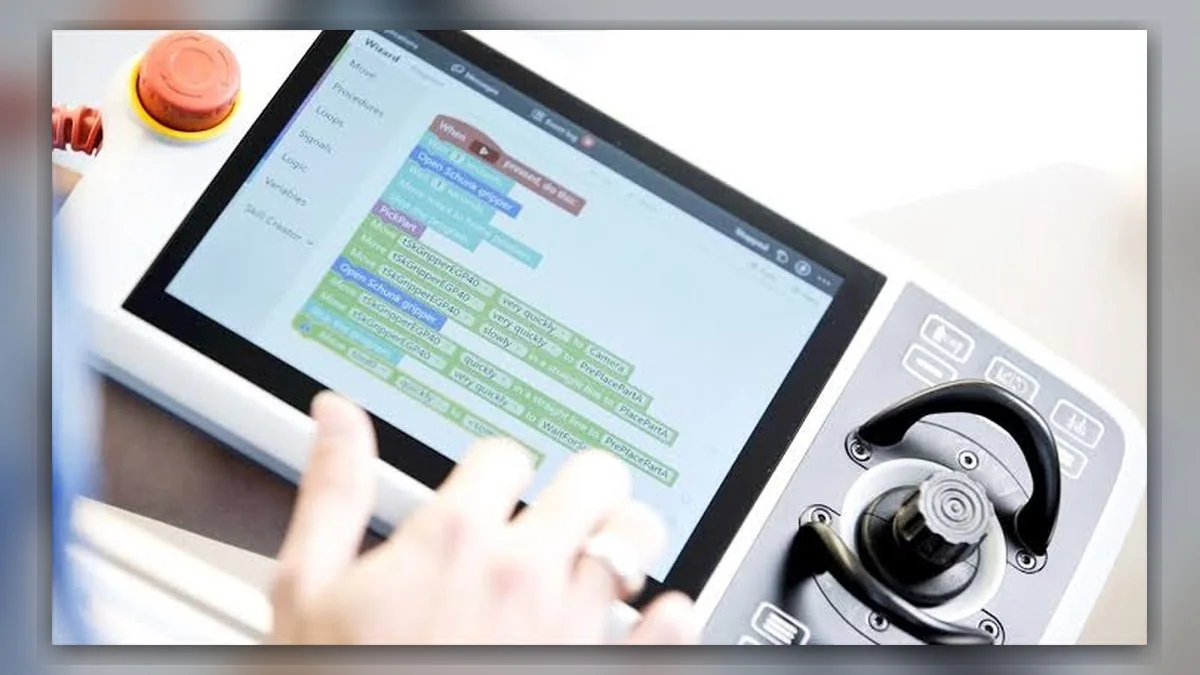
Robot Repair & Maintenance · 2026-09-23
Use this ABB robot maintenance process to verify tooling, cables, safety functions, motion conditions, and fault records before production resumes.
Read article →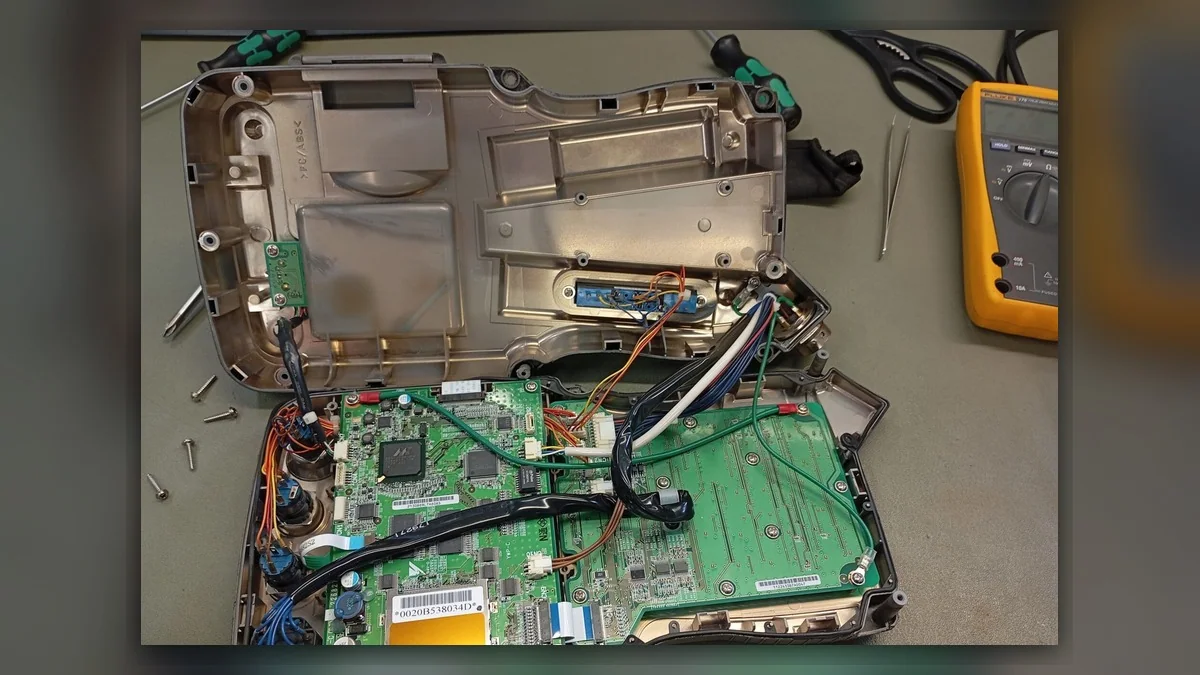
Robot Repair & Maintenance · 2026-09-23
Learn how to document, inspect, and troubleshoot contamination inside a Yaskawa robot controller without assuming that a drive or board has failed.
Read article →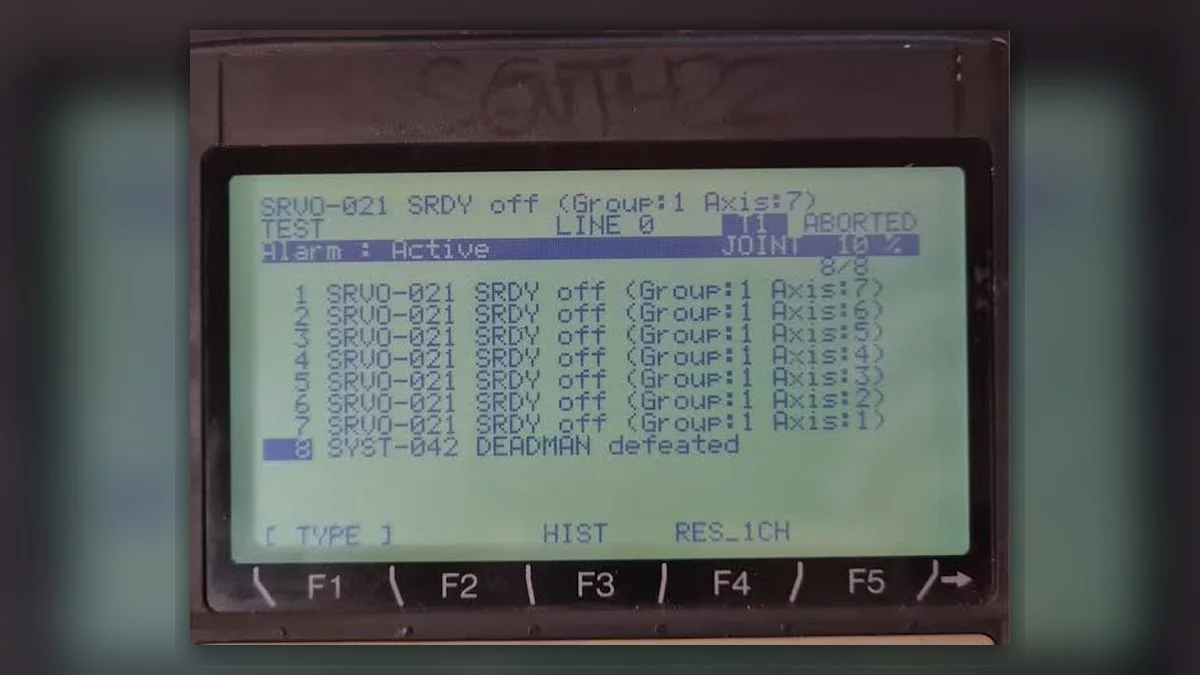
Robot Repair & Maintenance · 2026-09-23
Diagnose FANUC SRVO-021 after cabinet service by checking alarm history, HRDY and SRDY status, configuration, connections, and power events.
Read article →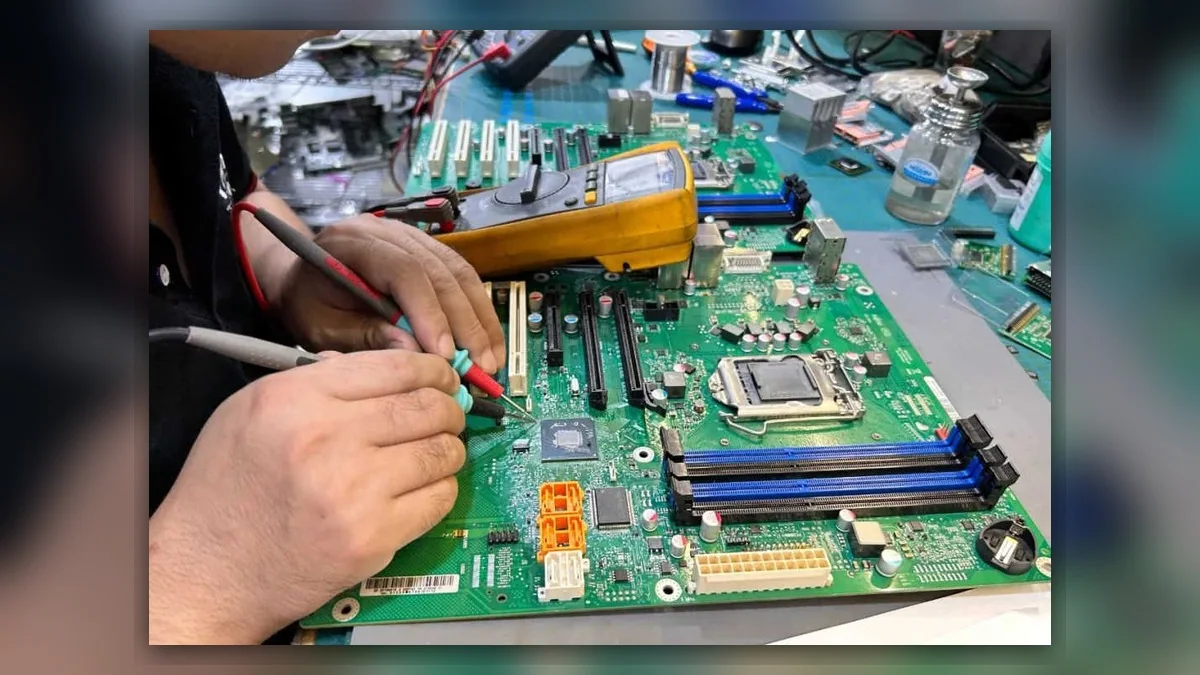
Robot Repair & Maintenance · 2026-09-23
Learn how to diagnose repeated KUKA axis mastering loss by checking fault records, mechanical movement, feedback connections, and repair history.
Read article →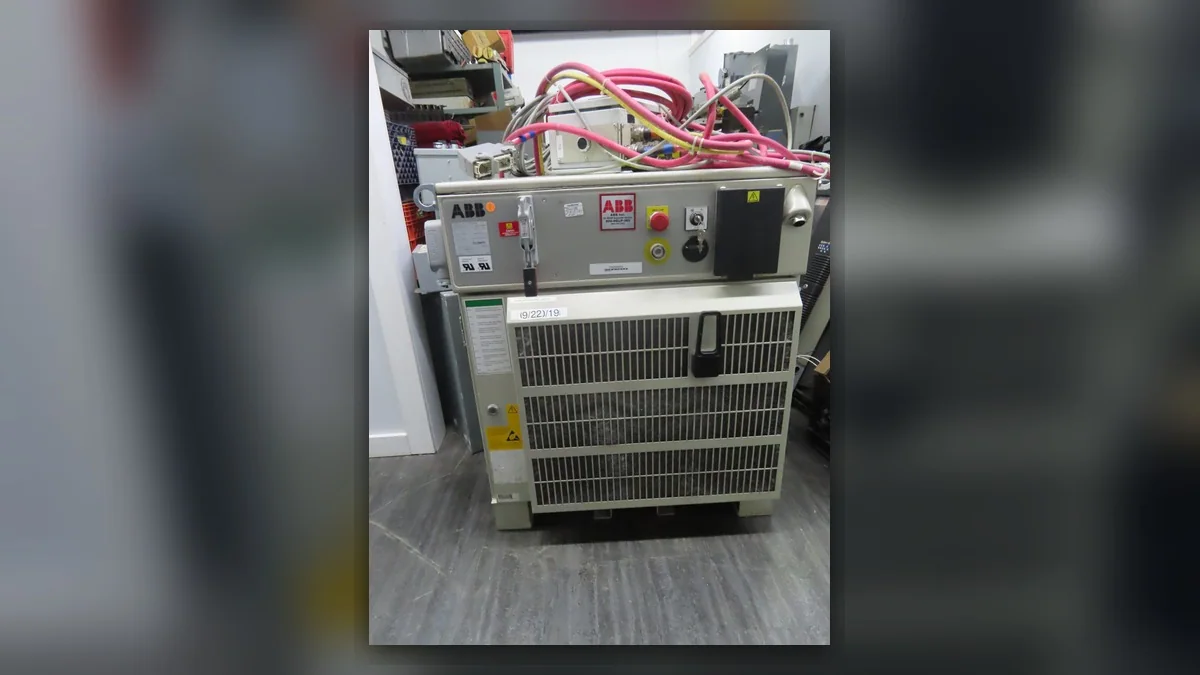
Robot Repair & Maintenance · 2026-09-23
Use this ABB robot maintenance process to document an unplanned power loss, inspect affected systems, and verify a controlled restart safely.
Read article →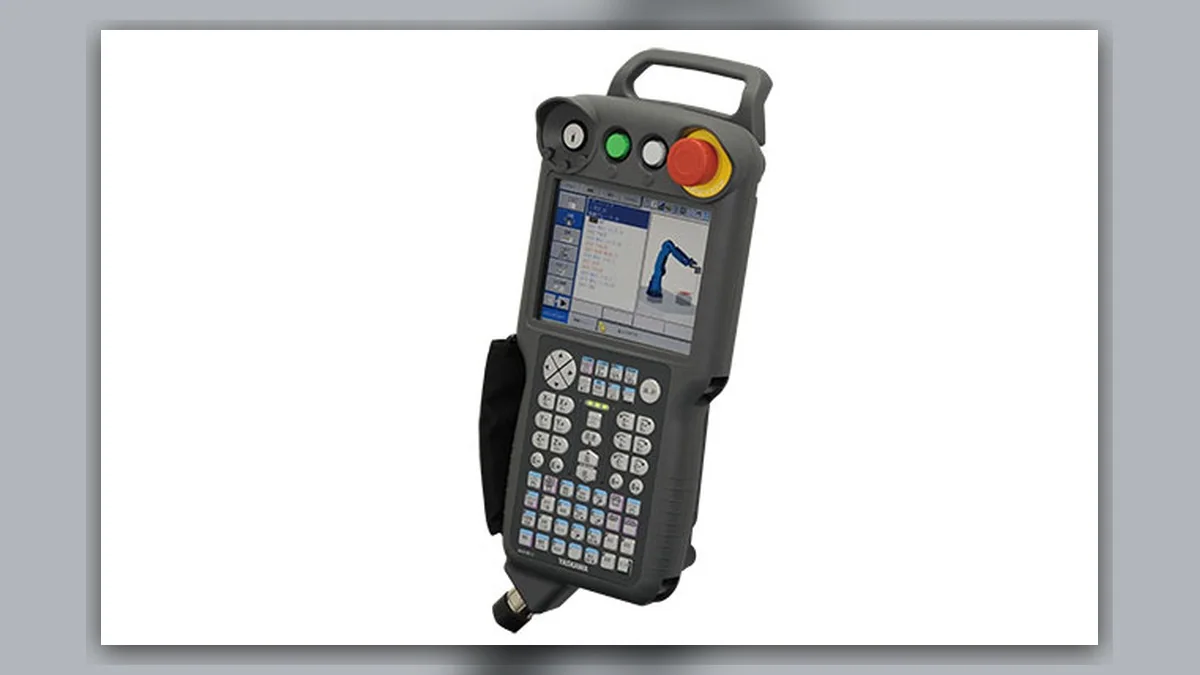
Robot Repair & Maintenance · 2026-09-23
Diagnose a blank Yaskawa robot teach pendant by separating pendant, cable, controller power, connection, and startup sequence faults.
Read article →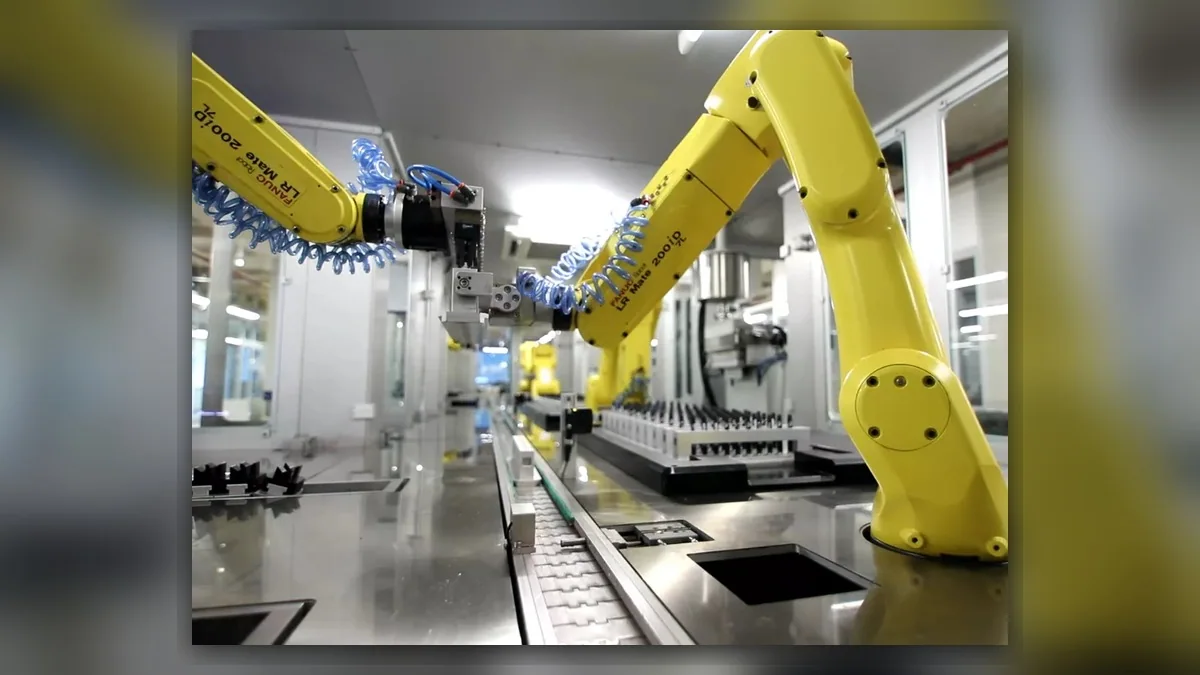
Robot Repair & Maintenance · 2026-09-23
Learn what FANUC SRVO-021 SRDY OFF means, what evidence to record, and how to diagnose the servo-ready condition without assuming amplifier failure.
Read article →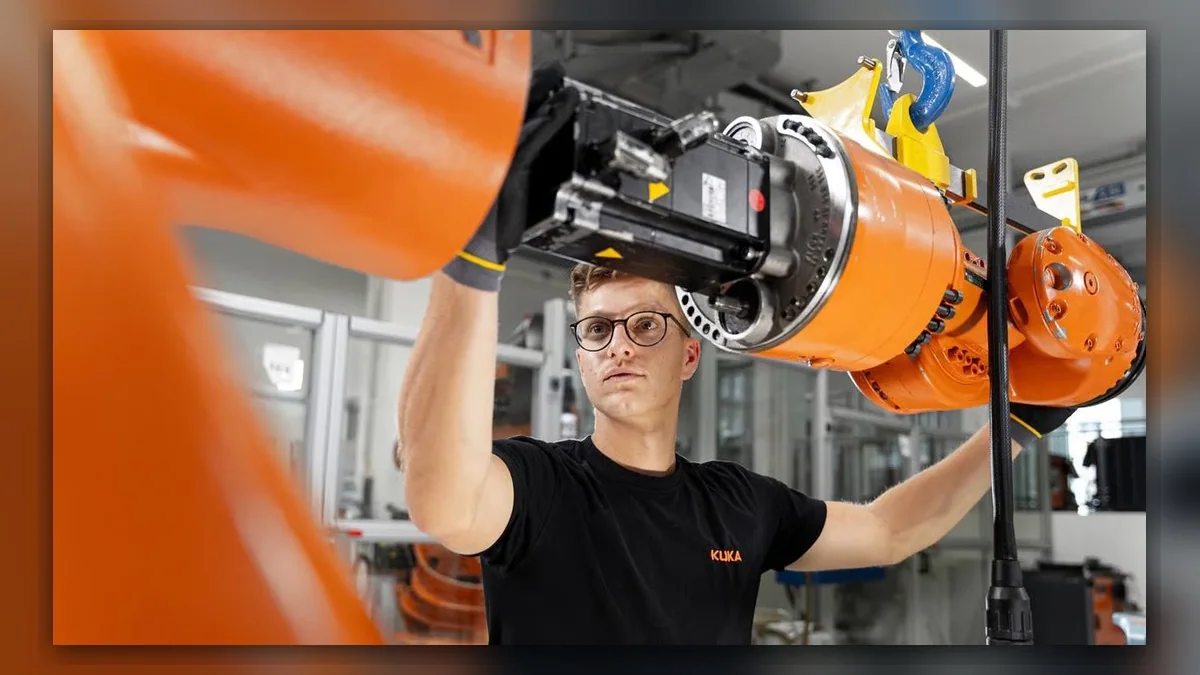
Robot Repair & Maintenance · 2026-09-23
A structured KUKA robot repair process for checking position, tooling, cables, joints, motors, and motion after a collision or tool impact.
Read article →