ABB Robot Repair · 2026-09-09
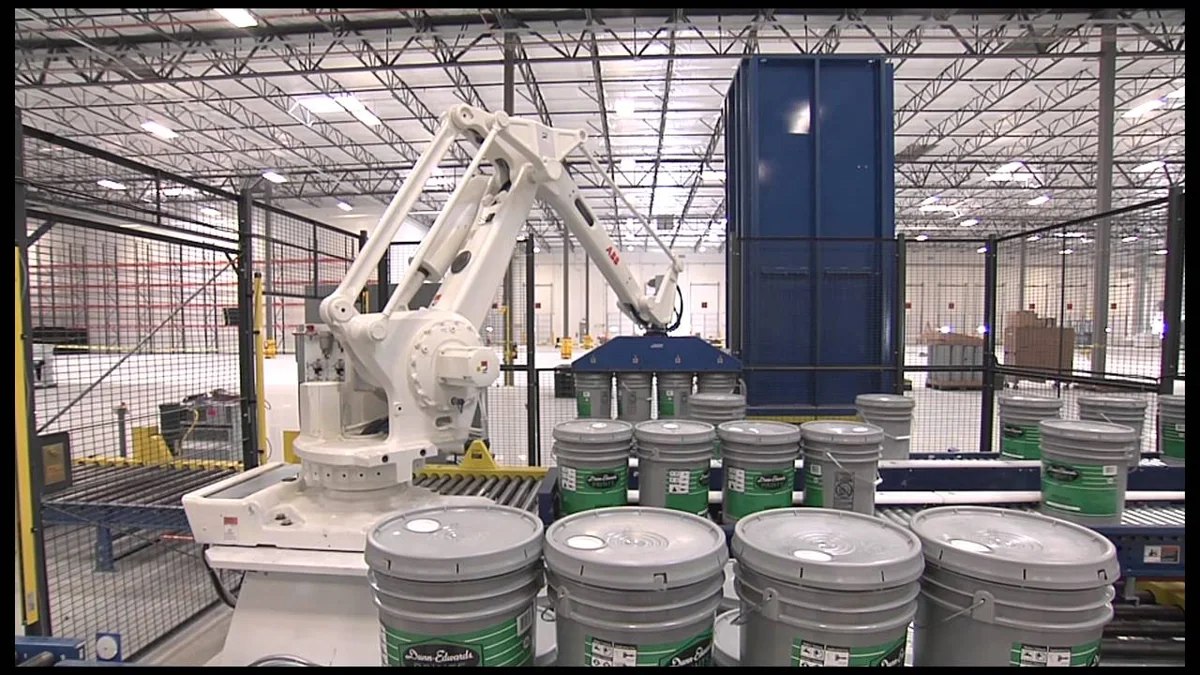
When an ABB IRB 660 palletizing robot exhibits issues such as inaccurate gripping, offset placement of materials, fixture inaction, or progressive layer-by-layer skewing of the pallet pattern, the fault may originate from photoelectric sensors, vacuum or pneumatic fixtures, tool coordinates, load parameters, workpiece coordinates, revolution counters, or the mechanical structure itself. This article introduces troubleshooting methods for the IRB 660 palletizing system, including signal chain inspection, coordinate verification, and post-repair testing procedures.
Read article →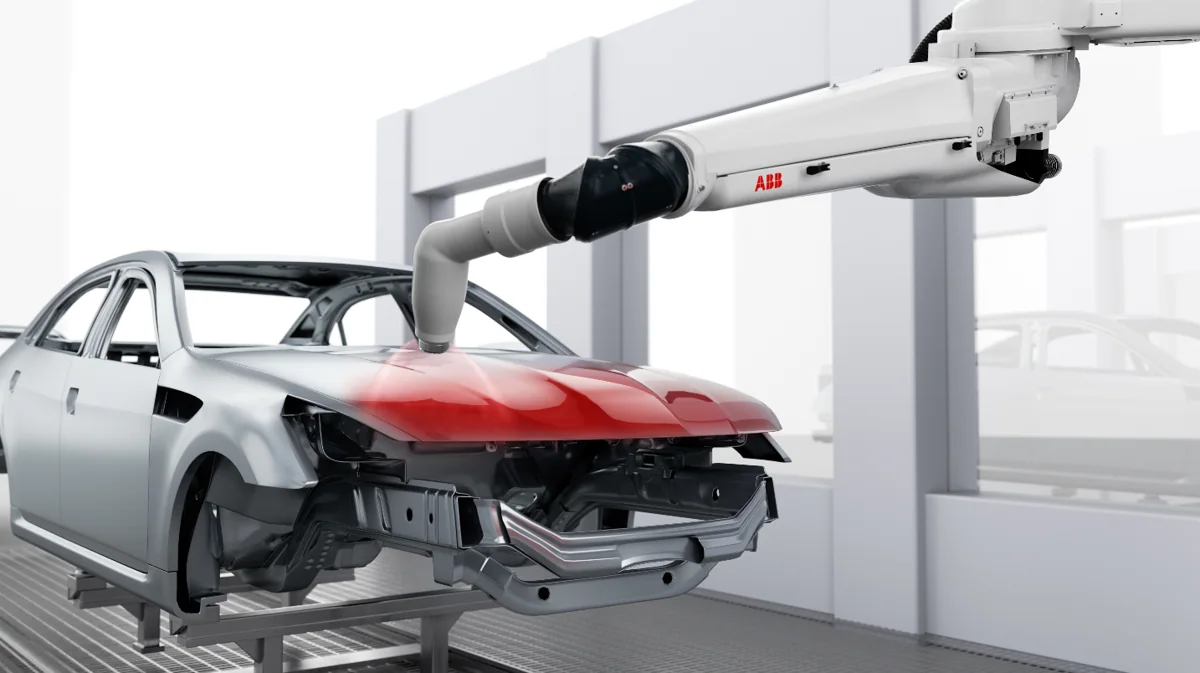
ABB Robot Repair · 2026-09-09
When an ABB IRB 5500 robot configured for electrostatic painting experiences issues such as failure to start due to high voltage, immediate high voltage disconnection after establishment, frequent alarms during the painting process, or a decrease in paint transfer efficiency, the fault may originate from the high voltage generation unit, atomizer, grounding circuit, air control unit, paint contamination, or safety interlocks. This article introduces the control chain of the high-voltage painting system, fault diagnosis methods, and the verification process for returning the system to operation.
Read article →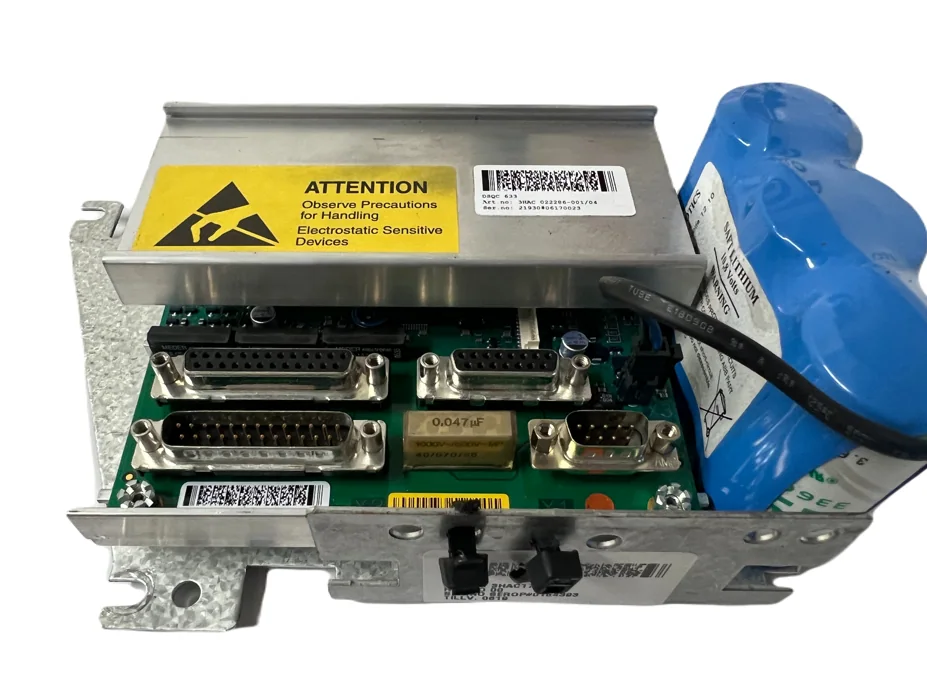
ABB Robot Repair · 2026-09-09
The ABB IRC5 robot uses the SMB (Serial Measurement Board) to collect position feedback from each axis motor and stores data related to the revolution counters. When the DSQC633 SMB board, backup battery, robot arm cable, or connectors malfunction, it can lead to lost revolution counters, abnormal position data, the robot being unable to enable, or program point offsets. This article introduces the functions of the DSQC633, fault diagnosis, line inspection, data recovery, and machine restart verification methods.
Read article →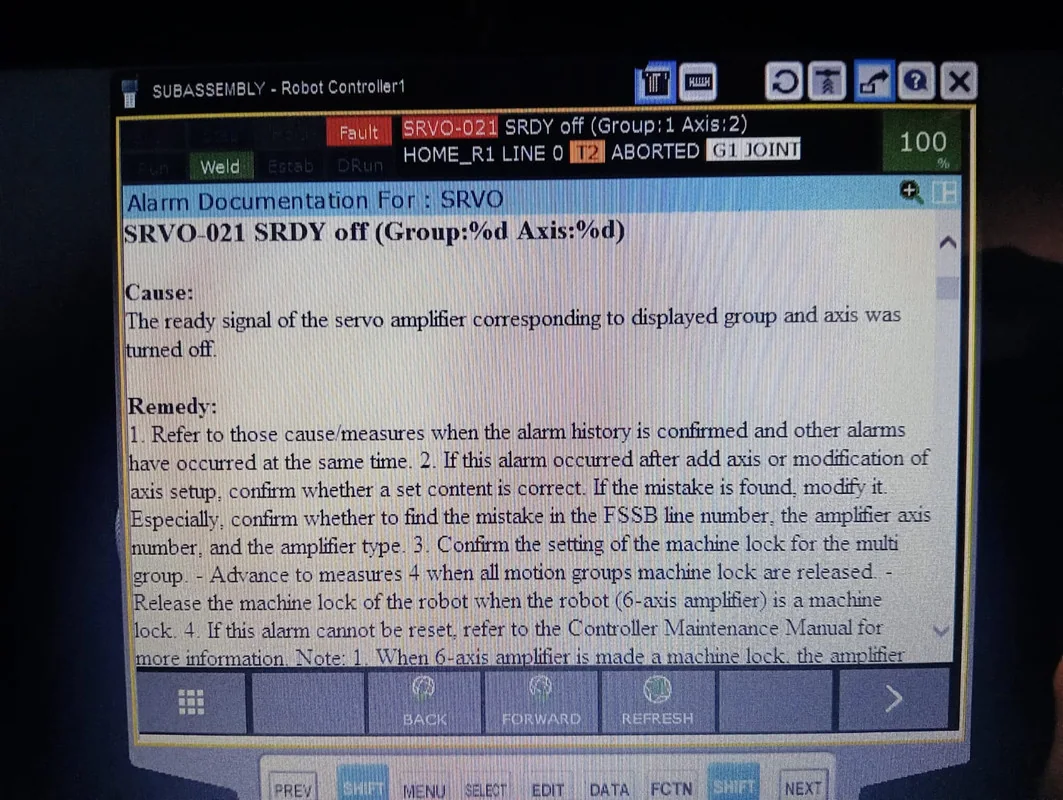
ABB Robot Repair · 2026-09-09
When a FANUC R-30iB robot displays the SRVO-021 SRDY OFF alarm, it indicates that the servo system for the corresponding motion group or axis has not entered the ready state. The fault may originate from the servo amplifier, power supply module, motor power cable, encoder feedback, safety circuit, or mechanical load. This article introduces the troubleshooting sequence for the SRDY OFF alarm, servo link inspection, and power-on verification methods.
Read article →
ABB Robot Repair · 2026-09-09
The KSP 600-3x40 servo drive module in the KUKA KR C4 control cabinet is responsible for motor control of multiple robot axes. When the module fails, it may cause the drive to be unable to enable, robot axis group alarms, operational stoppages, overcurrent, or overheating. This article introduces the power supply and control links of the KSP 600-3x40, common fault diagnosis, KPP correlation checks, motor and cable troubleshooting, and methods for restart verification.
Read article →
ABB Robot Repair · 2026-09-09
When an ABB IRB 2600 robot's axis 4 exhibits abnormal noise, vibration, temperature rise, or positioning deviation, the fault may originate from reducer gear wear, bearing abnormalities, poor lubrication condition, servo motor brake failure, or incorrect tool load parameters. This article, combining the IRB 2600 robot and the IRC5 control system, introduces the judgment methods for axis 4 mechanical faults, reducer inspection, servo system troubleshooting, and restart verification procedures.
Read article →
ABB Robot Repair · 2026-09-09
When a Yaskawa YRC1000 robot exhibits encoder battery alarms, abnormal origin data, or servo enable failure, the fault may originate from insufficient battery voltage, loose battery connectors, abnormal feedback cables, or loss of absolute encoder position data. This article introduces fault diagnosis, battery inspection, origin confirmation, and restart verification methods for the YRC1000 control system.
Read article →
ABB Robot Repair · 2026-09-09
When a FANUC R-30iB robot displays the SRVO-062 BZAL alarm, it typically indicates that the backup battery voltage for the corresponding axis pulse encoder has been lost, and the encoder absolute position data may have become invalid. This article introduces the differences between the BZAL alarm and low-voltage warnings, battery and wiring checks, faulty axis identification, pulse reset, zero point calibration, and the restart verification process.
Read article →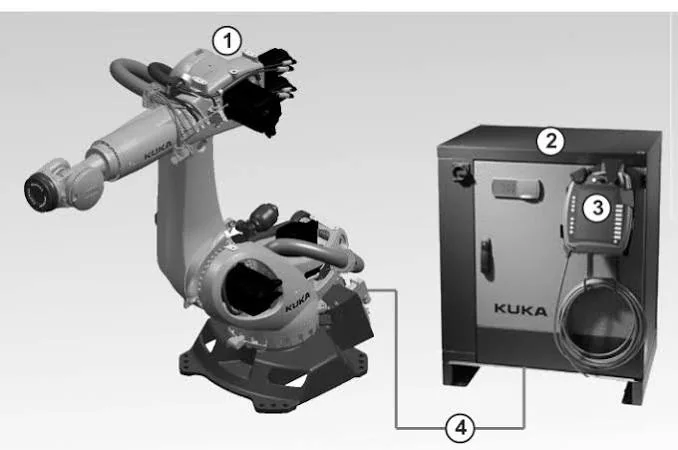
ABB Robot Repair · 2026-09-09
When a KUKA KR C4 robot experiences issues such as the control cabinet failing to start, smartPAD failing to connect, drives unable to enable, or sudden shutdown during operation, the fault may involve the control power supply, KPP power module, KSP servo drive module, control computer, RDC feedback system, and safety circuits. This article introduces the system composition of the KR C4 control cabinet, fault diagnosis sequence, key inspection points, and the restart verification process.
Read article →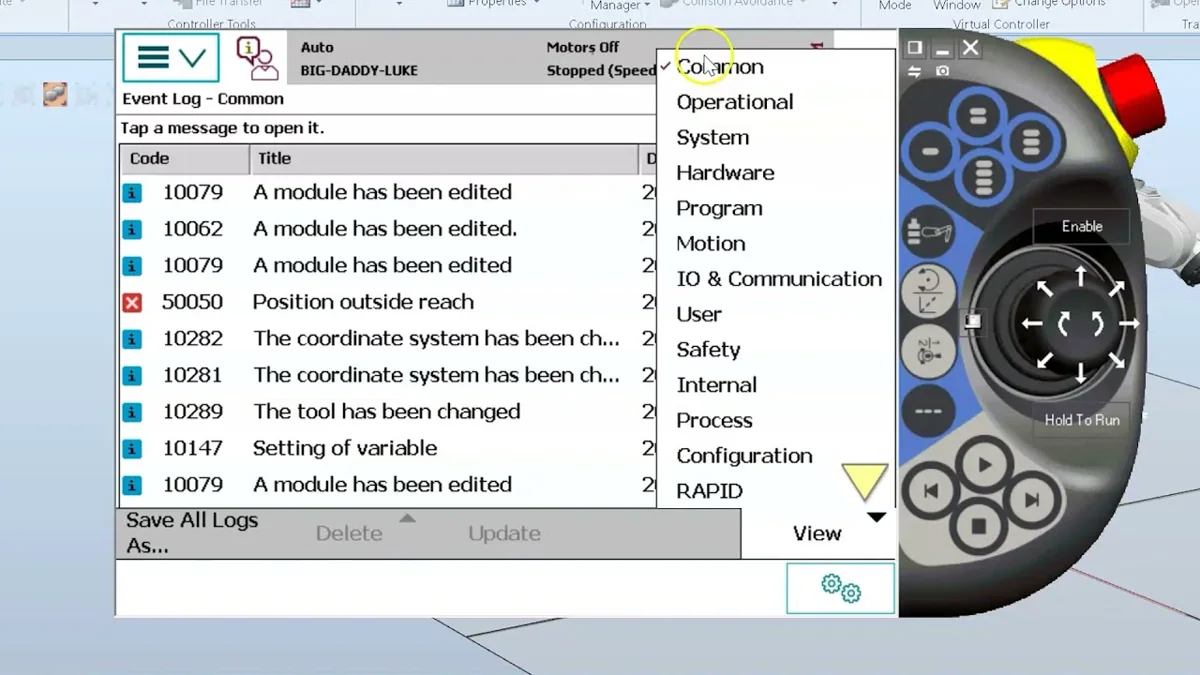
Maintenance & Troubleshooting · 2026-09-09
This guide provides a systematic approach to diagnosing and resolving common ABB robot alarm codes, focusing on logical fault isolation and safe maintenance practices.
Read article →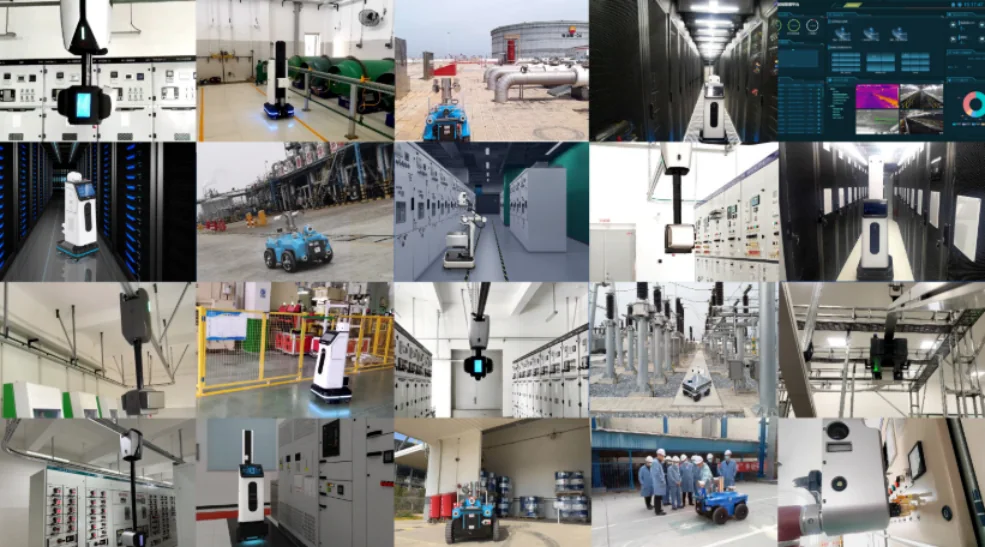
Maintenance · 2026-09-09
Effective daily inspection is not only the foundation of preventive maintenance but also the key to early fault detection. This article focuses on standardized methods for recording anomaly information during inspections and provides a set of standardized processes for efficient and accurate communication with maintenance engineers, aiming to shorten fault diagnosis time and improve overall equipment effectiveness.
Read article →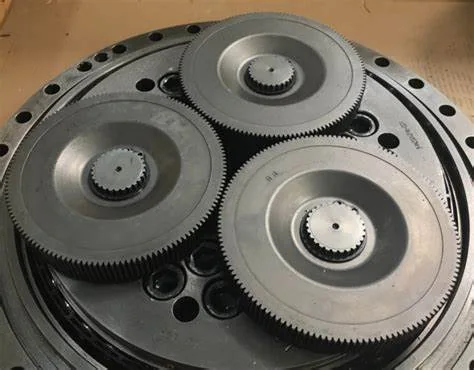
ABB Robot Repair · 2026-09-09
When the ABB IRB 6640 Axis 2 exhibits jitter, abnormal noise, positioning deviation, or following error, the fault may originate from increased reducer backlash, bearing wear, abnormal balancing mechanism, incorrect tool load, or unstable servo feedback. This article, targeting the ABB IRB 6640 paired with an IRC5 controller, introduces the diagnostic sequence for Axis 2 reducer faults, on-site inspection methods, repair precautions, and the re-commissioning verification process.
Read article →